Impact of Iran-Israel Conflict on Pakistan's Economy
Synopsis
The assassination of Iran's Supreme Leader Khamenei has triggered widespread protests in Pakistan, raising concerns over potential economic repercussions. As tensions escalate in the Middle East, the consequences could extend far beyond the region, affecting global economies and local livelihoods.
Key Takeaways
Khamenei's assassination has sparked protests in Pakistan.
Economic impacts expected on fuel prices and inflation.
Pakistan's ties with Gulf nations may be affected.
Protests have resulted in fatalities and injuries.
Geopolitical tensions could reshape the Middle East.
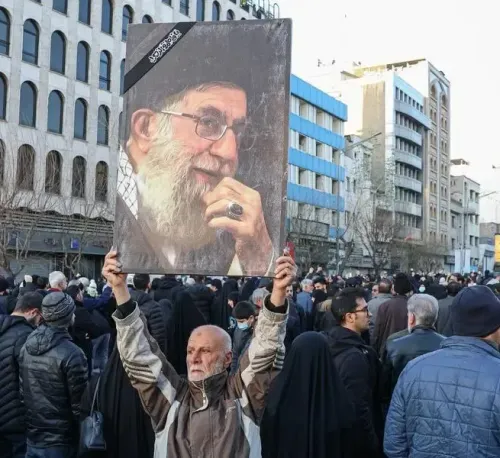
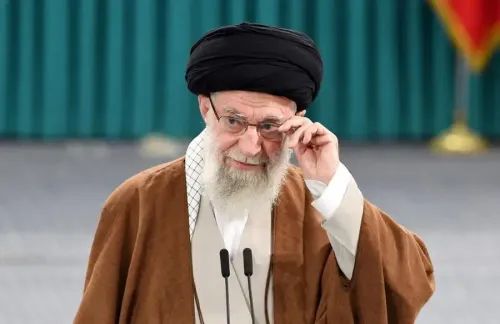
New Delhi, March 5 (NationPress) The assassination of Iran's Supreme Leader Khamenei by US-Israeli forces has raised significant alarms for neighboring countries like Pakistan, which is expected to face substantial economic repercussions, as reported by China Daily.com.
Salman Bashir, a former foreign secretary of Pakistan, expressed, "There is immense grief and anxiety (in Pakistan). The conflict appears to be escalating."
Bashir elaborated, "This situation could transform the entire Middle East, impact the global economy, and may endure for an extended period. The geopolitical fallout could be dire."
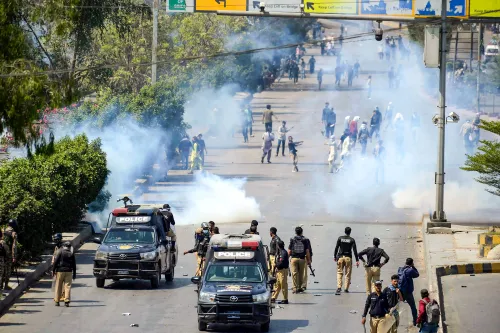
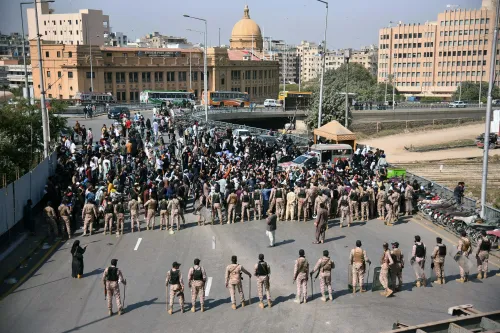
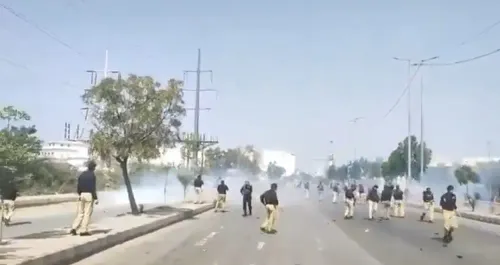
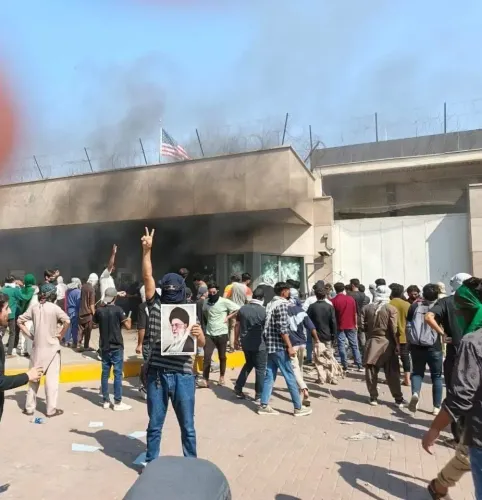
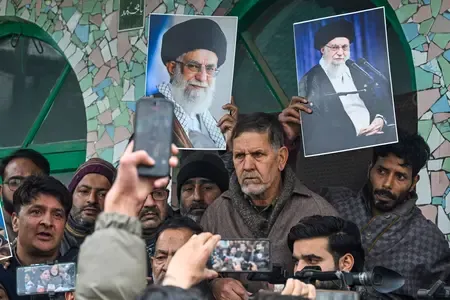
The article mentions that violent protests erupted in Pakistan following Khamenei's death, escalating in intensity over the last few days. These unrests have led to at least 25 fatalities and numerous injuries.
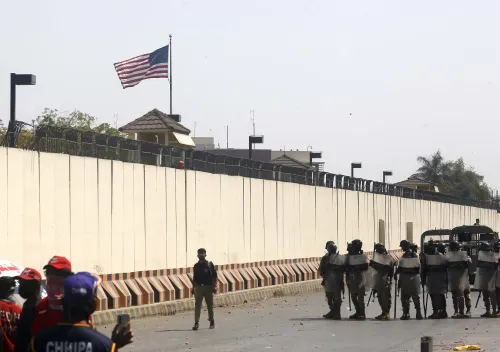
On Sunday, clashes occurred at the US Consulate General in Karachi, Pakistan's largest city, as protesters attempted to breach the facility. Concurrently, demonstrators targeted the US Consulate in Lahore, prompting police intervention to disperse the crowds.
Prime Minister Shehbaz Sharif extended condolences to the bereaved in Iran on Sunday, stating, "The Government and people of Pakistan stand with the citizens of Iran in this time of sorrow and express heartfelt condolences on the martyrdom of Khamenei," via a post on X.
Sharif also voiced concerns regarding the breach of international law, emphasizing, "It is a long-standing convention that Heads of State/Government should not be attacked."
Analysts noted that the protests stem from public uncertainty following Khamenei's assassination.
Khalid Taimur Akram, executive director of the Pakistan Research Center for a Community with Shared Future in Islamabad, warned that escalating tensions in West Asia would significantly impact Pakistan.
Despite Pakistan's non-involvement in these conflicts, Akram highlighted that the economic and political implications could be profound. He pointed out that the closure of the Strait of Hormuz would lead to increased fuel prices, consequently raising electricity costs and complicating daily life for citizens.
The unrest is also likely to affect many Pakistanis employed in West Asia, risking job losses and reducing remittances sent back home, he added.
As one of the largest trading partners with Gulf nations, Akram stated, "Given the current context, it is evident that if the conflict escalates, the global community will feel the repercussions."
Shujaat Ahmed, an independent economic analyst in Pakistan, mentioned that the immediate economic impact of Khamenei's assassination will be felt through inflation, while the long-term effects will largely depend on the conflict's duration.
Point of View
Pakistan must navigate the potential economic fallout while addressing the concerns of its citizens amidst rising tensions.
NationPress
23 Sept 2026
Frequently Asked Questions
What happened to Iran's Supreme Leader Khamenei?
Khamenei was killed in US-Israeli strikes, leading to widespread protests in Pakistan.
How is Pakistan affected by this event?
Pakistan is expected to face economic repercussions, including inflation and job losses for Pakistanis working in West Asia.
What are the concerns of Pakistani officials?
Officials express concerns over the violation of international law and the potential escalation of conflict in the region.