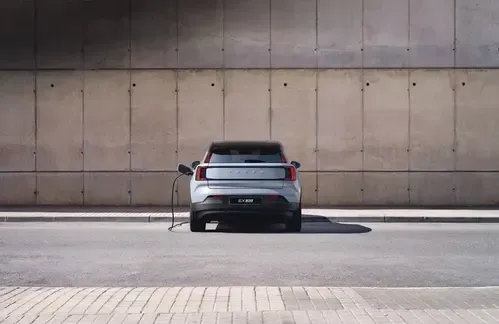
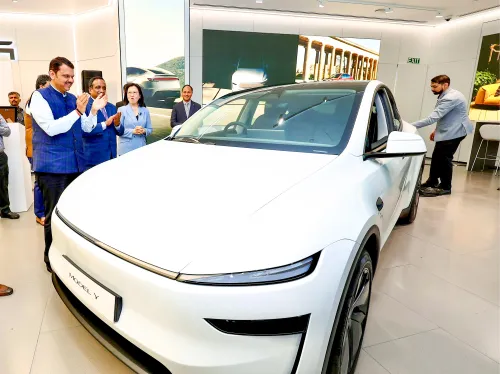
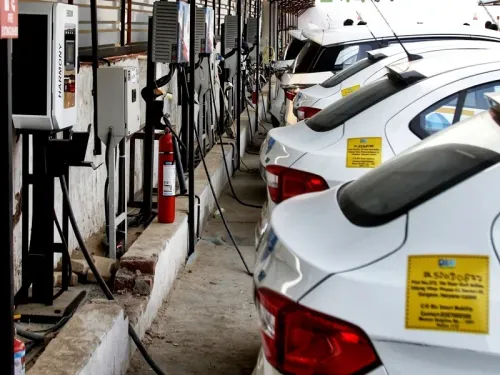
Anand Mahindra flags new EV charging partnership, eyes 1,000 points
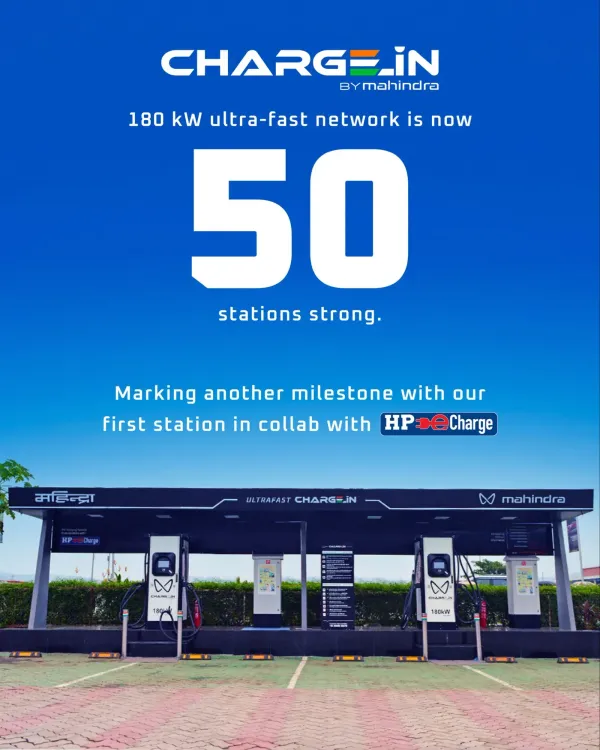
Synopsis
Mahindra Group chairman Anand Mahindra announced the launch of a new EV charging partnership on 25 September 2026, setting a target of 1,000 charging points within twelve months and calling driver confidence 'the real product' the initiative delivers.
Key Takeaways
Anand Mahindra announced a new EV charging partnership on 25 September 2026 via X.
The stated goal is 1,000 charging points to be deployed within one year .
Mahindra described 'confidence' — not hardware — as the true deliverable of the initiative.
The announcement aligns with the Mahindra Group's expanding electric vehicle portfolio across its automotive division.
India's FAME scheme (launched 2015 ) provides the policy backdrop for private-sector charging infrastructure drives like this one.
The specific partner has not been publicly named; measured progress toward the 1,000-point target is the key metric to watch.
Range anxiety has long been the quiet killer of India's electric vehicle ambitions — and Mahindra Group chairman Anand Mahindra signalled on Friday, 25 September 2026 that a new charging partnership is taking direct aim at it. 'The real product is confidence,' he wrote, framing the rollout not as an infrastructure project but as a promise to every EV owner on Indian roads.
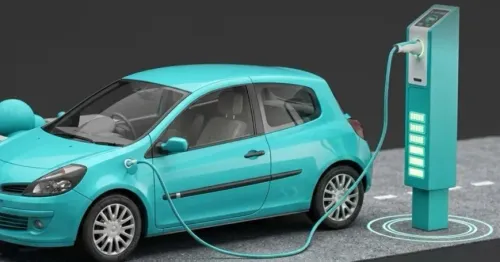
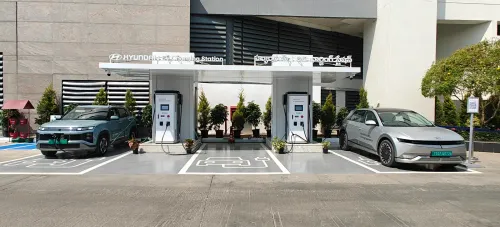
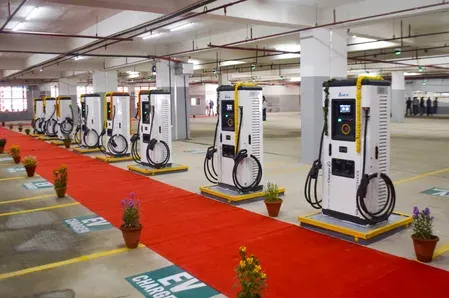
Posting on X alongside two images, Mahindra described the first installation as only a beginning: 'This is just the first from the partnership. 1,000 charging points is the goal in a year from now.' The phrasing is deliberate — one point today, a thousand in twelve months, and the metric that matters is not kilowatts delivered but driver certainty unlocked.
Why 1,000 points in a year is the real headline
India's public charging network has grown steadily but unevenly, concentrated in metro corridors and leaving highway and tier-2 routes patchy. Private-sector commitments at this scale — 1,000 points across an unnamed partnership — are precisely the density push that analysts say can shift consumer psychology from cautious interest to active purchase.
The Mahindra Group has built a growing electric vehicle portfolio across its automotive division, and a dense proprietary or partner-led charging grid would directly support resale confidence and repeat adoption. The broader backdrop matters too: India's FAME scheme, launched in 2015 to accelerate EV adoption and supporting infrastructure, has been complemented increasingly by private capital as the sector matures beyond government subsidy dependency.
Mahindra's bet: infrastructure as a brand promise
The chairman's framing — 'the real product is confidence' — is a sharp piece of corporate positioning. It acknowledges what spec sheets cannot fix: the psychological barrier that stops a buyer from committing to an electric vehicle when the charging map looks sparse. By anchoring the announcement to a concrete target rather than a vague aspiration, Mahindra is putting a measurable clock on the promise.
Indian automotive firms have steadily expanded public charging investments to close this confidence gap, and each new private-sector milestone nudges the tipping point closer. With Mahindra's electric SUV ambitions scaling through 2026, the timing of a charging-network push is not incidental — it is load-bearing.
One thousand charging points. Twelve months. The countdown has started.
Point of View
A proprietary or tightly-partnered charging grid functions as a moat — it ties the ownership experience to the brand ecosystem long after the sale. The 1,000-point target within twelve months is also a credibility stake: it is specific enough to be tracked and large enough to shift the public narrative around range anxiety. Broader industry implications are significant — if a major OEM demonstrates that private capital can build density at this pace, it raises the benchmark for every competitor in India's fast-accelerating EV race.
NationPress
25 Sept 2026
Frequently Asked Questions
What did Anand Mahindra announce about EV charging?
On 25 September 2026, Anand Mahindra announced the first installation from a new EV charging partnership, with a goal of reaching 1,000 charging points within one year.
Who is the partner in Mahindra's new EV charging network?
The specific partner has not been publicly named in the announcement; details are awaited as the rollout progresses.
How many EV charging points is Mahindra planning to install?
Mahindra Group chairman Anand Mahindra has set a target of 1,000 charging points to be deployed within twelve months of the partnership launch.
What is India's FAME scheme and how does it relate to EV charging?
The Faster Adoption and Manufacturing of Electric Vehicles (FAME) scheme was launched by the Indian government in 2015 to boost EV adoption and supporting charging infrastructure, providing the policy framework that private-sector initiatives like Mahindra's complement.
Why does Anand Mahindra say confidence is the real product of EV charging?
Mahindra argues that the primary barrier to EV adoption is range anxiety — the fear of being stranded without a charger — so a dense charging network delivers psychological reassurance to buyers, which he frames as the core value proposition.