Pakistan losing Afghan trade edge as reliability beats geography
Synopsis
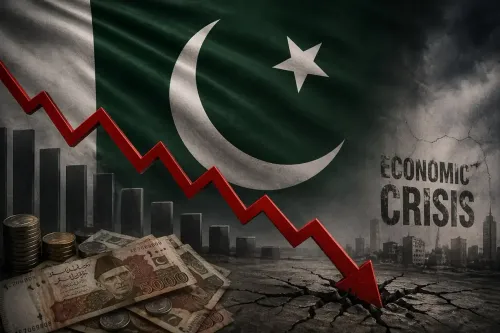
Pakistan's geographic edge over landlocked Afghanistan is being neutralised by its own policy of repeated border closures. With transit cargo volumes down from 89,000 containers to 11,592 in just a few years, and direct exports crashing 69% in one year, Afghan traders have found Chabahar and Central Asian corridors — and may never come back.
Key Takeaways
Pakistan's exports to Afghanistan fell nearly 69% to $243.7 million in FY2025-26 , from $783.9 million the previous year.
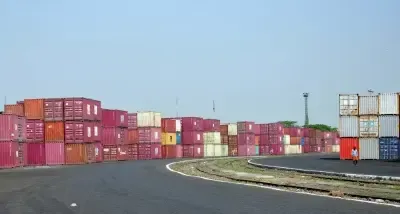
Transit cargo through Pakistan dropped to 11,592 containers worth $367 million in FY2025-26, down from roughly 89,000 containers worth $5 billion before 2021.
The October 2025 closure stranded around 255 vehicles at Torkham and 200 more on the Jamrud-Landi Kotal road.
Iran's Chabahar port and road-rail corridors through Uzbekistan , Turkmenistan , and Tajikistan are now established Afghan trade alternatives.
Analysts warn that traders who have adopted new routes may not return even if borders reopen, citing a shift from geography to predictability as the decisive factor.
Pakistan is confronting more than a temporary trade disruption with Afghanistan — it is grappling with a structural realignment of regional commerce that could prove difficult to reverse, according to a report by The Friday Times.
The analysis warns that Afghan traders who have already found alternative routes may not return even after border crossings reopen. The core problem, the report argues, is not distance but predictability.
Geography's Diminishing Advantage
Pakistan remains geographically closest to landlocked Afghanistan, with Karachi and Port Qasim offering the shortest sea access of any transit country. Yet repeated border closures at Torkham and Chaman have steadily eroded that natural advantage for importers who require certainty on cost, timing, and delivery.
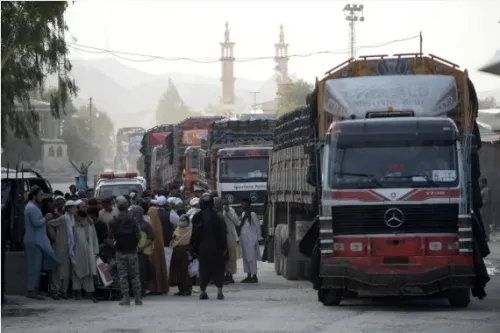
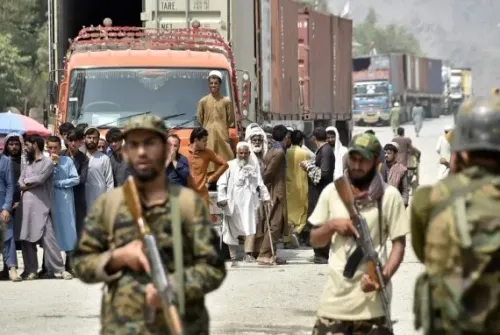
The October 2025 closure illustrated the human and commercial toll vividly. Hundreds of trucks were stranded: approximately 255 export vehicles were stuck inside the Torkham terminal alone, while another 200 were held up on the Jamrud-Landi Kotal road. Customs clearance at Chaman was simultaneously suspended. For perishable goods such as fruits and vegetables, days of waiting can wipe out the entire value of a shipment, while exporters absorb delayed payments and mounting fuel and parking charges.
Afghan Businesses Build Alternatives
Rather than wait, Afghan businesses have methodically constructed alternative supply chains. Iran's Chabahar port has emerged as a key sea gateway, while road and rail corridors through Uzbekistan, Turkmenistan, and Tajikistan now link Afghanistan to Central Asia and beyond. The diversification appears to have worked — and stuck.
This comes amid a broader regional contest over influence and connectivity in Central and South Asia, where India's investment in Chabahar and Russia-backed rail links through Central Asia have provided Afghanistan with options that simply did not exist a decade ago.
Pakistan's Trade Numbers Tell the Story
The scale of the shift is visible in two sets of data cited in the report. Transit cargo moving through Pakistan — goods merely passing through its ports and roads en route to Afghanistan — fell to 11,592 containers worth approximately $367 million in FY2025-26, a dramatic decline from nearly 89,000 containers worth around $5 billion before 2021.
Pakistan's direct exports to Afghanistan collapsed to $243.7 million in FY2025-26, down from $783.9 million in FY2024-25 — a fall of almost 69 per cent in a single year. Notably, this decline follows a period of partial recovery when exports had climbed back to $1.34 billion in 2024-25, making the reversal all the sharper.
What Pakistan Actually Loses
The report cautions against reading transit container values as a direct income loss to Pakistan, clarifying that the country earns primarily from port handling, transport, warehousing, and logistics services rather than from the goods themselves. Nevertheless, a collapse in transit volumes translates into significant revenue loss for Pakistan's port operators, trucking industry, and customs infrastructure.
As alternative corridors mature and Afghan traders embed new supplier relationships, Pakistan faces the prospect that even a full border reopening may not restore pre-2021 trade flows — a structural consequence that goes well beyond any single border incident.
Point of View
Unpredictable closures at Torkham and Chaman have done what no rival port could achieve on its own — they have made geographic proximity irrelevant. The 69% single-year export collapse is not just a number; it represents supply chains that have been rewired and relationships rebuilt elsewhere. Chabahar's rise as an Afghan trade gateway is a direct consequence of Islamabad's border policy instability, and India — which has invested in Chabahar — is a quiet beneficiary. Pakistan risks learning too late that trade corridors, once diverted, harden into permanent alternatives.
NationPress
14 Nov 2026
Frequently Asked Questions
Why is Pakistan losing Afghanistan trade to other routes?
Pakistan's repeated closure of key border crossings at Torkham and Chaman has made it an unreliable transit partner, despite being geographically closest to landlocked Afghanistan. Afghan traders have responded by shifting to Iran's Chabahar port and Central Asian road-rail corridors that offer greater predictability.
By how much have Pakistan's exports to Afghanistan fallen?
Pakistan's exports to Afghanistan fell almost 69% in a single year, dropping from $783.9 million in FY2024-25 to $243.7 million in FY2025-26, according to the report by The Friday Times.
What happened at the Torkham border in October 2025?
The October 2025 closure stranded hundreds of trucks at Torkham, with around 255 export vehicles stuck inside the terminal and another 200 held up on the Jamrud-Landi Kotal road. Customs clearance at Chaman was also suspended simultaneously.
What alternatives has Afghanistan found for trade?
Afghanistan has developed Iran's Chabahar port as a key sea gateway, complemented by road and rail corridors running through Uzbekistan, Turkmenistan, and Tajikistan into Central Asia. These routes have reduced Afghan dependence on Pakistani transit infrastructure.
How much has Pakistan's transit cargo from Afghanistan declined?
Transit cargo through Pakistan fell to just 11,592 containers worth about $367 million in FY2025-26, down sharply from nearly 89,000 containers worth around $5 billion before 2021 — a collapse that reflects both reduced volumes and diversification away from Pakistani routes.