Pakistan Faces Urgent Deadline to Repay $3.5 Billion Debt to UAE

Synopsis
Pakistan is racing against time to repay $3.5 billion to the UAE, as its financial crisis deepens and reserves dwindle. This urgent situation raises critical concerns about the nation's economic stability and its reliance on foreign support amidst changing geopolitical dynamics.
Key Takeaways
Pakistan must repay $3.5 billion to the UAE imminently.
Dwindling foreign reserves raise concerns about economic stability.
The UAE has ceased offering debt rollovers, impacting Pakistan's financial strategy.
Geopolitical tensions influence Pakistan's economic relationships.
Alternative solutions, such as converting debt into investments, are being explored.
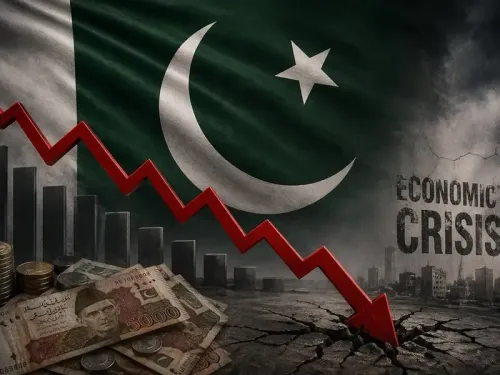
New Delhi, April 7 (NationPress) Pakistan, grappling with a daunting financial crisis, is on the brink of repaying $3.5 billion to the United Arab Emirates this month. A senior cabinet minister confirmed the impending repayment during a press conference, as highlighted by Pakistan’s Express Tribune. This obligation looms large as Islamabad's foreign exchange reserves have dwindled to alarmingly low levels, prompting fears about the nation’s ability to meet its external debt commitments.
This financial strain is exacerbated by the UAE's reported decision to halt any further rollovers on the debt. Historically, Pakistan has depended on such rollovers from allied nations to alleviate immediate repayment pressures and stabilize its reserves. However, changing geopolitical circumstances, notably tensions arising from the ongoing US-Israel-Iran conflict, seem to have influenced Abu Dhabi's position, accelerating Islamabad's urgency to resolve its debts, as noted by an article in Sri Lanka’s Guardian.
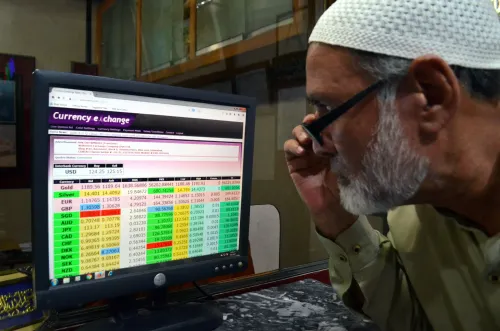
The repercussions for Pakistan’s economy are substantial. The already strained foreign exchange reserves will suffer a direct impact as funds are diverted towards servicing this debt. Economists caution that this could hinder the country's ability to manage its external accounts, which may affect its capacity to pay for imports and maintain currency stability. These challenges emerge at a critical juncture as Pakistan attempts to navigate a difficult economic recovery within the framework of an International Monetary Fund program, the article highlighted.
In recent years, the financial rapport between Pakistan and the UAE has been characterized by both collaboration and tension. In 2018, Abu Dhabi extended $2 billion to bolster Pakistan’s economy, followed by a further request from Islamabad for $1 billion in 2023 to address external financing requirements. These arrangements illustrate a broader trend of Pakistan relying heavily on bilateral partners to fill funding gaps while pursuing economic reforms linked to international lending schemes.
With rollover options dwindling, Pakistan is now seeking alternative solutions. Some officials have indicated that negotiations are in progress to convert parts of the debt into investments, a strategy that could alleviate immediate repayment burdens while promoting long-term economic collaboration. However, the feasibility of such arrangements remains uncertain, and they may not provide timely relief given the pressing nature of current obligations, as the article noted.
Geopolitical considerations are also influencing the situation. Pakistan’s perceived alignment with Iran amid the ongoing regional conflict complicates its relations with Gulf partners, including the UAE. While Islamabad has traditionally managed its ties across the Middle East, shifting alliances and increasing tensions are testing this balance, potentially leading to economic repercussions, the article emphasized.
The broader backdrop of Pakistan’s financial landscape further intensifies the challenge. The country’s heavy reliance on external financing, including support from the International Monetary Fund and allied nations, underscores structural vulnerabilities in its economy, such as low export competitiveness, high fiscal deficits, and inadequate revenue generation. These factors have rendered Pakistan particularly susceptible to external shocks, whether economic or geopolitical, the article concluded.
Point of View
It’s concerning to observe Pakistan's precarious financial position, exacerbated by external debt obligations that threaten economic stability. The need for strategic solutions is urgent, especially in light of changing international relationships and the pressing demands of debt repayment.
NationPress
10 Oct 2026
Frequently Asked Questions
What is the current financial situation in Pakistan?
Pakistan is facing a severe financial crisis, needing to repay $3.5 billion to the UAE this month amidst dwindling foreign reserves.
Why is the UAE not extending debt rollovers?
The UAE has reportedly decided against further rollovers due to shifting geopolitical dynamics, particularly related to the US-Israel-Iran conflict.
What are the implications of this debt repayment for Pakistan?
The repayment will further strain Pakistan's foreign exchange reserves, complicating its ability to pay for imports and maintain currency stability.
How has Pakistan historically managed its debt obligations?
Pakistan has relied on rollovers from allied nations to ease repayment pressures and stabilize reserves, but options are now narrowing.
What alternative solutions is Pakistan exploring?
Pakistan is considering converting portions of its debt into investments to alleviate immediate repayment pressures.