PM-AJAY scheme covers 47.5 lakh people, declares 16,759 Adarsh Grams
Synopsis
PM-AJAY has quietly become one of India's widest-reaching SC welfare programmes — with nearly 47.6 lakh beneficiaries, 16,759 villages declared Adarsh Grams, and a digital monitoring backbone that the government says is closing the implementation gap. The ₹22.50 crore hostel push for FY27 signals a sharper focus on educational access for SC students.
Key Takeaways
PM-AJAY has benefited 47,59,399 citizens across 47,316 villages nationwide.
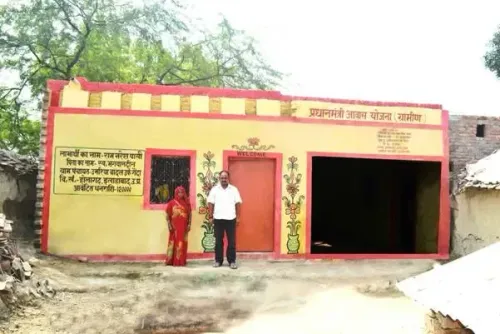
16,759 villages have been officially declared as Adarsh Grams , with 46,782 development works completed.
24,133 Village Development Plans (VDPs) have been prepared under the scheme.
The Ministry of Social Justice and Empowerment has allocated ₹22.50 crore for FY2027 to construct three hostel projects , including two for girls, accommodating 750 students .
The scheme is monitored through the PM-AJAY Portal and AJAY Mobile Application , enabling geo-tagged, end-to-end digital tracking.
The Pradhan Mantri Anusuchit Jaati Abhyuday Yojana (PM-AJAY) has benefited 47,59,399 citizens across 47,316 villages nationwide, with 16,759 villages officially declared as Adarsh Grams, according to the Ministry of Social Justice and Empowerment. The government's flagship scheme for Scheduled Caste (SC) communities is designed to drive poverty reduction, livelihood creation, and infrastructure upgrades through a technology-enabled implementation model.
Key Developments on the Ground
According to the ministry, 46,782 development works have been completed under the scheme, and 24,133 Village Development Plans (VDPs) have been prepared. The declaration of 16,759 villages as Adarsh Grams signals measurable progress in improving basic services and quality of life in SC-majority villages.
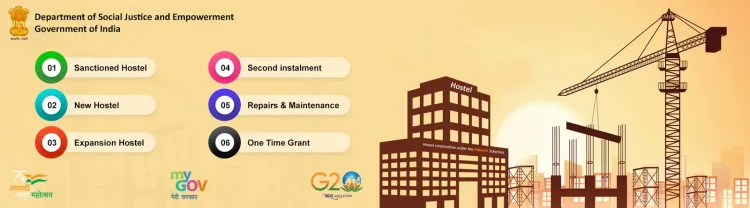
The ministry has allocated ₹22.50 crore for FY2027 for the construction of three hostel projects — including two exclusively for girls — to provide accommodation for 750 students. This allocation targets improved educational access for SC students, a persistent challenge in rural and semi-urban India.
What the Government Said
Union Minister of Social Justice and Empowerment Dr. Virendra Kumar stated that PM-AJAY plays a crucial role in addressing socio-economic disparities through focused interventions. 'PM-AJAY plays a crucial role in addressing socio-economic disparities through focused interventions, collaborative efforts towards empowering SC individuals and promoting inclusive growth,' he said.
The minister added that the scheme promotes inclusive growth by strengthening grassroots institutions through convergence and community participation.
How the Scheme Works
PM-AJAY operates through three core components. The Adarsh Gram component drives integrated village development with a focus on SC-majority populations through infrastructure creation and community-led planning. The Grants-in-Aid component supports livelihood generation, skill development, and income-enhancing activities. The Hostel component provides financial assistance for constructing and repairing student hostels.
Notably, the scheme is underpinned by a digital governance framework through the PM-AJAY Portal and AJAY Mobile Application, which enable end-to-end online implementation. The platform supports VDP preparation, project appraisal, fund tracking, beneficiary monitoring, and geo-tagged reporting — tools aimed at ensuring transparency at every stage.
Impact on Scheduled Caste Communities
The scheme's reach across 47,316 villages represents one of the broader SC-focused welfare footprints in recent years. This comes amid ongoing policy focus on Dalit empowerment, with the Centre increasingly tying disbursements to outcome-oriented frameworks rather than input-based metrics. The integration of mobile and portal-based monitoring addresses a long-standing criticism of welfare scheme implementation — the gap between fund release and verifiable ground-level impact.
What's Next
With hostel construction for 750 students planned under the FY27 allocation and Village Development Plans continuing to scale, the ministry is expected to push for further Adarsh Gram declarations in the coming months. The effectiveness of the digital monitoring framework will be a key determinant of whether the scheme's reach translates into durable socio-economic outcomes for SC communities.
Point of View
But the harder question is whether Adarsh Gram declarations translate into lasting income and mobility gains for SC households — or remain primarily an infrastructure metric. The scheme's digital backbone is a genuine step forward, but geo-tagged reporting and fund tracking are inputs, not outcomes. India's SC communities continue to face structural barriers in land ownership, credit access, and formal employment that no single convergence scheme can resolve. The real test will be longitudinal data on income levels and school retention in declared Adarsh Grams — data the ministry has not yet made public.
NationPress
18 Jul 2026
Frequently Asked Questions
What is PM-AJAY and who does it target?
PM-AJAY, or Pradhan Mantri Anusuchit Jaati Abhyuday Yojana, is a Central government scheme targeting Scheduled Caste communities through poverty reduction, livelihood creation, and infrastructure development. It operates through three components: Adarsh Gram village development, Grants-in-Aid for livelihoods, and a Hostel component for student accommodation.
How many people has PM-AJAY benefited so far?
According to the Ministry of Social Justice and Empowerment, PM-AJAY has benefited 47,59,399 citizens across 47,316 villages. A total of 16,759 villages have been declared Adarsh Grams and 46,782 development works have been completed.
What is an Adarsh Gram under PM-AJAY?
An Adarsh Gram is a village with a substantial Scheduled Caste population that has met defined development benchmarks under PM-AJAY, covering infrastructure, basic services, and quality of life. As of the latest government data, 16,759 villages across India have achieved this designation.
What is the ₹22.50 crore hostel allocation for FY27?
The Ministry of Social Justice and Empowerment has earmarked ₹22.50 crore for FY2027 to fund the construction of three hostel projects — two of which are exclusively for girls — providing accommodation for 750 Scheduled Caste students to improve their access to education.
How is PM-AJAY monitored for transparency?
The scheme uses the PM-AJAY Portal and AJAY Mobile Application for end-to-end digital implementation, covering Village Development Plan preparation, project appraisal, fund tracking, beneficiary monitoring, and geo-tagged reporting to ensure accountability at every stage.