Indian Railways fines caterers ₹5.13 crore, scraps 6 contracts in 3-year food safety crackdown
Synopsis
Indian Railways has fined catering contractors ₹5.13 crore and axed six contracts over three years — yet food complaints cover just 0.0008% of 58 crore annual meals served. The real story is the quiet enforcement architecture being built: CCTV in kitchens, QR codes on meal packets, and a public debarment list that names violators.
Key Takeaways
Indian Railways imposed penalties of ₹5.13 crore on caterers over the last three years for food quality and hygiene violations.
Six catering contracts were terminated and 54 show-cause notices were issued during the same period.
Railways serves approximately 58 crore meals annually ; food complaints account for just 0.0008% of meals served.
CCTV cameras installed in base kitchens enable real-time monitoring of food preparation.
QR codes on meal packets now allow passengers to verify packing date, licensee name, and FSSAI licence number .
The list of debarred licensees is publicly available on the IRCTC website .
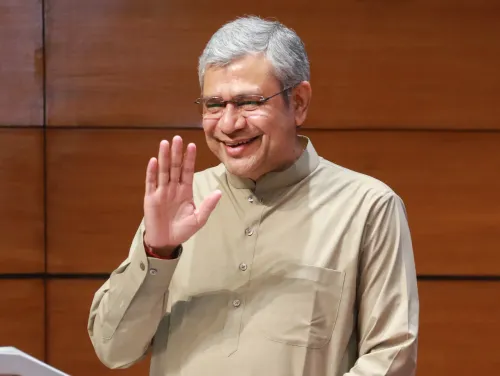
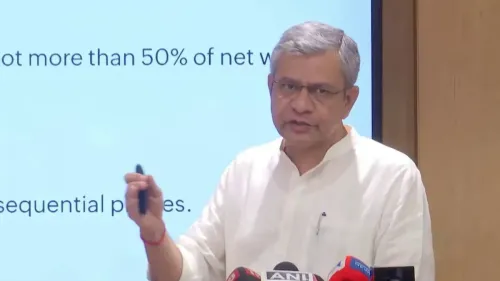
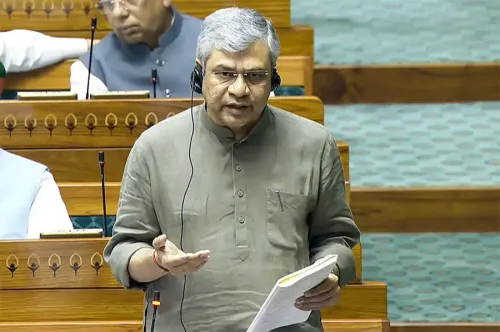
Indian Railways has imposed penalties totalling ₹5.13 crore on catering contractors and terminated six contracts over food quality and hygiene violations in the past three years, the government disclosed in Parliament on Friday, 7 August. The punitive action was revealed in a Rajya Sabha reply by Union Minister Ashwini Vaishnaw, who holds charge of Railways, Information & Broadcasting, and Electronics & Information Technology.
Scale of Action Taken
Beyond the financial penalties and contract terminations, the crackdown included the issuance of 54 show-cause notices and the debarment of several licensees found in breach of prescribed food safety and hygiene standards. The list of debarred licensees, Vaishnaw noted, is publicly accessible on the IRCTC website, adding a layer of transparency to the enforcement process.
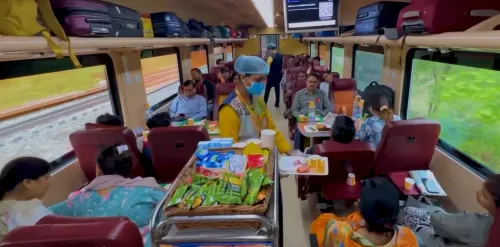
Notably, the action comes even as food-related complaints represent a negligible share of the railway's overall catering output. Indian Railways serves approximately 58 crore meals annually on average, and food quality complaints account for only around 0.0008 per cent of meals served, according to the minister.
Surveillance and Inspection Measures
To reinforce food safety standards, Indian Railways and the Indian Railway Catering and Tourism Corporation (IRCTC) have deployed a multi-pronged inspection regime. Regular and surprise checks by railway officials and Food Safety Officers cover food quality, hygiene, staff deployment, equipment maintenance, and regulatory compliance.
CCTV cameras have been installed in base kitchens for real-time monitoring of food preparation, while dedicated Food Safety Supervisors oversee hygiene practices on the ground. Railways has also expanded its network of designated base kitchens and commissioned modern kitchen facilities at identified locations.
Passenger-Facing Transparency Initiatives
A key consumer-facing reform is the introduction of QR codes on meal packets supplied aboard trains. Passengers can scan the code to access the date of packing, the name of the licensee, and the FSSAI licence number — a move aimed at boosting accountability at the point of consumption.
Other measures include the mandatory use of branded raw materials, regular food sampling, periodic pest control, deep cleaning of pantry cars and kitchens, mandatory FSSAI certification, third-party audits, and customer satisfaction surveys.
Staff Training and Compliance Framework
IRCTC also conducts regular training programmes for catering personnel, with modules covering customer service, communication skills, personal grooming, and hygiene standards. The minister stated that Railways continues to take all necessary steps to ensure passengers receive safe, hygienic, and quality food throughout their journeys.
With enforcement actions now on the public record and digital tools like QR codes expanding passenger oversight, the pressure on catering contractors to comply with safety norms is set to intensify further.
Point of View
Stations, and contractors. Six terminated contracts in three years is a modest number for a network of this size, and it raises the question of whether enforcement is genuinely proportionate to the violation rate or whether the low complaint percentage partly reflects under-reporting by passengers who have little faith in redressal. The QR code and CCTV rollout are structurally sound ideas, but their deterrent value depends entirely on consistent follow-through — something Indian Railways' catering oversight has historically struggled to demonstrate. The public debarment list on the IRCTC website is the most meaningful accountability tool announced; whether it is updated in real time and acted upon by procurement officials will determine if this crackdown has lasting teeth.
NationPress
22 Sept 2026
Frequently Asked Questions
How much penalty has Indian Railways imposed on caterers for food violations?
Indian Railways has imposed penalties totalling ₹5.13 crore on catering contractors over the past three years for food quality and hygiene violations, as disclosed in Parliament on 7 August. The action also included termination of six contracts and issuance of 54 show-cause notices.
How many catering contracts did Indian Railways terminate for food safety breaches?
Indian Railways terminated six catering contracts over the last three years due to violations of prescribed food safety and hygiene standards. Several licensees were also debarred, with their names published on the IRCTC website.
What percentage of railway meals attract food quality complaints?
Food quality complaints account for approximately 0.0008% of the roughly 58 crore meals Indian Railways serves annually, according to Railway Minister Ashwini Vaishnaw's statement in the Rajya Sabha.
What steps has Indian Railways taken to improve food safety on trains?
Measures include CCTV monitoring in base kitchens, QR codes on meal packets for passenger verification, surprise inspections by Food Safety Officers, mandatory FSSAI certification, third-party audits, regular food sampling, and staff training programmes run by IRCTC.
How can passengers check if their railway meal is from a certified caterer?
Passengers can scan the QR code printed on meal packets supplied on trains to access the packing date, the licensee's name, and the FSSAI licence number. The list of debarred licensees is also publicly available on the IRCTC website.