RBI repo rate hike of 75 bps likely through H1FY28, say global brokerages
Synopsis
Global brokerages BofA, Goldman Sachs, and UBS are warning that the RBI's rate-hike cycle is far from over — projecting a 75-bps increase stretching into H1FY28, backed by a 23-month high CPI print of 5.54% and an El Niño-driven food price shock whose worst effects may only hit in 2027. For Indian borrowers and markets, the era of easy money looks increasingly distant.
Key Takeaways
Global brokerages BofA , Goldman Sachs , and UBS forecast the RBI will hike the repo rate by ~75 basis points through H1FY28 .
India's headline CPI inflation hit a 23-month high of 5.54% in September 2026 , up from 4.8% in August.
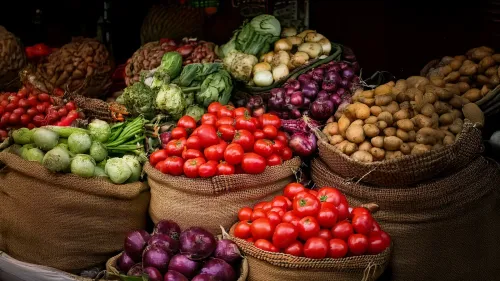
Food inflation surged to 7.74% in September from 5.97% in August, with rural inflation at 6.08% versus 4.88% in urban areas.
UBS projects full-year headline inflation near 5.2% in FY27, potentially exceeding 5% through H1FY28 .
El Niño-linked food price pressures are expected to peak in impact during 2027 and early 2028 , with a lag of 6–18 months from peak weather disruption.
The Reserve Bank of India (RBI) is likely to remain on a monetary tightening path through the first half of FY28, with global brokerages projecting a cumulative repo rate hike of around 75 basis points across upcoming Monetary Policy Committee (MPC) meetings. The forecast, driven by surging food prices and mounting global risk factors, marks a significant shift in the rate outlook for Indian markets.
What the Brokerages Are Forecasting
Global financial institutions including Bank of America (BofA), Goldman Sachs, and UBS have flagged a confluence of risks — Middle East tensions, energy supply disruptions, and an intensifying El Niño cycle — as factors likely to keep headline Consumer Price Index (CPI) inflation elevated. BofA and UBS specifically expect the central bank to tighten policy through MPC meetings scheduled in FY27, extending through H1FY28.
UBS has projected full-year headline inflation to average near 5.2% in FY27, with the figure potentially crossing 5% through the first half of FY28, citing adverse weather-related pressures on food supply chains.
El Niño's Lagged Impact on Food Prices
UBS highlighted that historical data suggests the full impact of weather disruptions on global food prices materialises with a lag of 6 to 18 months after peak disruption. With the likely peak occurring between November and February, the brokerage warned that the most significant pressure on global food prices could emerge during 2027 and early 2028. 'As per our global strategy team, historical evidence suggests that effects typically materialize with a lag of 6-18 months following peak weather disruption. With likely peak occurring between November and February, most significant impact on global food prices may emerge during 2027 and early 2028, adding upside risks to inflation outlook,' the brokerage stated.
September CPI Data Adds Urgency
The inflation concerns are grounded in fresh domestic data. India's headline CPI inflation climbed to 5.54% in September 2026, up sharply from 4.8% in August — a 23-month high driven largely by food and vegetable prices. Food inflation surged to 7.74% in September from 5.97% in August, while food and beverages inflation rose to 7.36% from 5.66% over the same period.
The rise in inflation was notably more pronounced in rural areas, where consumer inflation stood at 6.08% in September, compared with 4.88% in urban areas — a gap that reflects the disproportionate exposure of rural households to food price volatility.
Key Index Movements
The CPI (General) combined index rose to 109.49 in September from 108.74 in August. The Combined Food Price Index (CFPI) also climbed to 112.17 from 110.73 during the same period, reinforcing the breadth of the food-price surge across categories.
What Comes Next
If the brokerage forecasts prove accurate, Indian borrowers — from home loan holders to corporate debt issuers — face a sustained period of elevated borrowing costs well into FY28. The RBI's next MPC meeting will be closely scrutinised for any signal that the central bank is aligning with the hawkish outlook articulated by global institutions. Markets will also track incoming food price data and any developments in global energy markets for further directional cues.
Point of View
With El Niño serving as a slow-burning accelerant. What mainstream coverage underplays is the rural-urban inflation divergence: at 6.08% versus 4.88%, rural households are bearing a disproportionate share of food-price pain — the very constituency most sensitive to price shocks. The RBI faces a classic bind: tighten too aggressively and choke a consumption-led recovery; hold too long and let inflation expectations de-anchor. With global brokerages already pricing in a prolonged hawkish stance, the central bank has limited room to surprise on the dovish side without a credibility cost.
NationPress
13 Oct 2026
Frequently Asked Questions
Why are brokerages forecasting an RBI repo rate hike of 75 basis points?
Global brokerages BofA, UBS, and Goldman Sachs expect the RBI to raise the repo rate by around 75 basis points through H1FY28, citing a 23-month high CPI print of 5.54% in September 2026, surging food inflation, Middle East tensions, energy supply disruptions, and the intensifying El Niño cycle as key upside risks to inflation.
What is India's current CPI inflation rate?
India's headline CPI inflation stood at 5.54% in September 2026, up from 4.8% in August — its highest reading in 23 months. The surge was driven primarily by food and vegetable prices, with food inflation rising to 7.74% from 5.97% in the same period.
How will El Niño affect India's inflation outlook?
According to UBS, the effects of El Niño on global food prices typically materialise with a lag of 6 to 18 months after peak weather disruption. With the likely peak occurring between November and February, the most significant pressure on food prices could emerge during 2027 and early 2028, adding further upside risks to India's inflation trajectory.
How does the rural-urban inflation gap look in September 2026?
Rural consumer inflation was considerably higher at 6.08% in September 2026, compared with 4.88% in urban areas. This gap reflects rural households' greater dependence on food, making them more exposed to the current food price shock.
What does a prolonged rate hike cycle mean for Indian borrowers?
A cumulative 75-bps hike extending through H1FY28 would raise borrowing costs for home loan holders, personal loan borrowers, and corporates over a sustained period. It also increases the cost of capital for businesses, potentially slowing investment and consumption in rate-sensitive sectors.