South Korea Designates $609 Million in Emergency Budget for Mideast Crisis Management

Synopsis
In a strategic move, South Korea has allocated $609 million to mitigate the impacts of the escalating Middle East crisis on its economy. This supplementary budget is aimed at stabilizing energy supplies and supporting vulnerable income groups amid supply chain disruptions.
Key Takeaways
South Korea has allocated $609 million to tackle the Mideast crisis.
The budget aims to stabilize energy supplies and support lower-income groups.
Significant funding is directed towards domestic petrochemical companies.
Efforts will also focus on AI transformation in manufacturing industries.
The bill will be presented to the National Assembly soon for approval.
Seoul, March 31 (NationPress) - The Ministry of Trade, Industry and Resources announced on Tuesday the allocation of 924.1 billion won (approximately $609 million) in a supplementary budget to address the ongoing crisis in the Middle East, as it impacts energy and industrial supply chains.
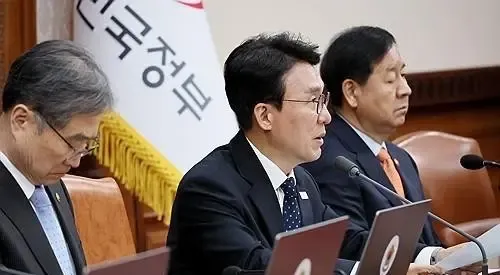
This announcement followed the Cabinet meeting, led by President Lee Jae Myung, which approved a government proposal for a 26.2 trillion-won supplementary budget intended to alleviate challenges arising from the escalating conflict in the Middle East and to revitalize the domestic economy. If the National Assembly approves, this budget will include cash handouts worth 4.8 trillion won for the lower 70 percent of income earners.
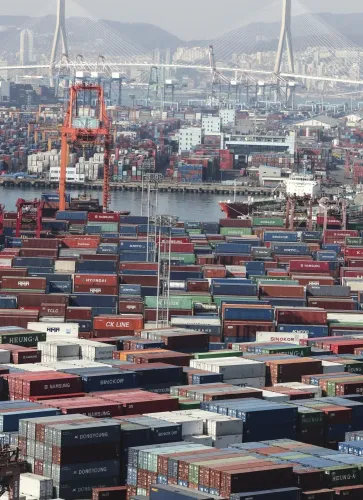
The ministry plans to allocate 664.2 billion won for stabilizing the supply of crude oil and key industrial materials, such as naphtha. The nation is currently grappling with supply issues due to the effective closure of the Strait of Hormuz following the outbreak of hostilities in Iran, according to reports from Yonhap news agency.
Out of the 664.2 billion won, 469.5 billion won is designated to support domestic petrochemical companies with naphtha cracking facilities, while 158.4 billion won is earmarked for securing additional oil reserves.
Additionally, 22.3 billion won has been allocated to counteract unfair market practices concerning fuel prices, and 8.1 billion won is intended for the establishment of domestic rare earth production infrastructure, as stated by the ministry.
The ministry also plans to invest 145.9 billion won in aiding small and medium-sized enterprises facing export challenges due to the turmoil in the Middle East, as well as assisting petrochemical and other industries affected by the crisis.
Moreover, the ministry aims to allocate 114 billion won to foster the artificial intelligence (AI) transformation in manufacturing sectors such as shipbuilding, steel, and automobiles, to enhance their long-term competitiveness.
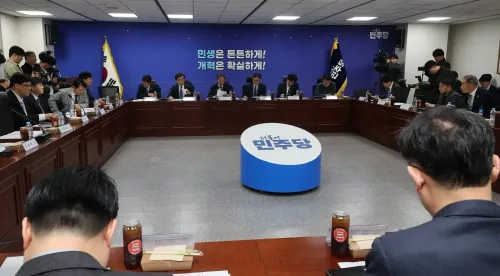
Finally, the supplementary budget bill is set to be presented to the National Assembly for approval soon, with rival parties having previously agreed to vote on the bill next Friday.
Point of View
This allocation reflects South Korea's proactive approach in responding to geopolitical tensions that threaten its economic stability. The focus on supporting lower-income earners and stabilizing critical supply chains underscores a commitment to national welfare amidst global crises.
NationPress
7 Oct 2026
Frequently Asked Questions
What is the purpose of the supplementary budget?
The supplementary budget aims to address the economic challenges posed by the Middle East crisis, stabilizing energy supplies and providing financial assistance to vulnerable income groups.
How much has been allocated for supporting small and medium-sized enterprises?
A total of 145.9 billion won has been earmarked to assist small and medium-sized enterprises facing export difficulties due to the ongoing crisis.
What specific industries will benefit from this budget?
The budget will support the petrochemical industry, energy supply stabilization, and promote AI transformation in manufacturing sectors like shipbuilding and automobiles.
When will the supplementary budget be voted on?
The supplementary budget bill is expected to be presented to the National Assembly for a vote next Friday.
How does the conflict in the Middle East affect South Korea?
The conflict disrupts energy and industrial supply chains, impacting South Korea's economy and necessitating measures to ensure stability and support for affected sectors.