Samsung to fast-track Yongin chip plant opening to 2029, 2 years ahead of schedule
Synopsis
Samsung Electronics is pulling forward the launch of its first Yongin semiconductor plant to 2029 — up to two years ahead of schedule — as South Korea's government fast-tracks its national AI chip strategy. Backed by a ₩2,030 trillion won investment plan and a combined ₩896 trillion won pledge with SK Group, this is one of the most ambitious industrial bets in Asia's tech history.
Key Takeaways
Samsung Electronics will begin operations at its first Yongin chip plant in 2029 , one to two years earlier than originally planned.
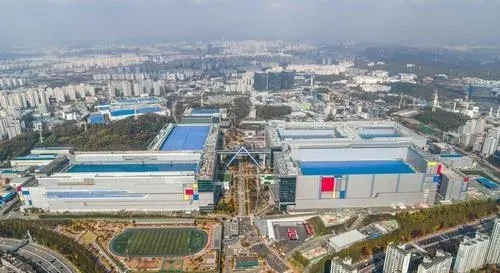
The Yongin cluster will eventually house six semiconductor fabrication plants , located just south of Seoul .
Samsung has committed ₩2,030 trillion won (approx.
US$1.35 trillion ) across its Pyeongtaek and Yongin clusters, plus ₩400 trillion won for two new plants in Gwangju .
Samsung Group and SK Group together pledged ₩896 trillion won ($578 billion) in South Korea's southwest region.
SK Group separately committed ₩470 trillion won to build two semiconductor fabs and a 1-gigawatt AI data centre in the southwest.
The investments are part of South Korea's 'tripolar mega projects' strategy to become an AI-era industrial powerhouse.
Samsung Electronics is accelerating the launch of its first semiconductor fabrication plant at the Yongin chip cluster to 2029 — one to two years ahead of its original schedule — as the South Korean government fast-tracks development of the Yongin National Industrial Complex, according to industry sources. The move signals a sharper push by the world's largest memory chipmaker to capture surging global demand for artificial intelligence (AI) chips.
Why the Timeline Is Being Moved Up
The accelerated opening is directly tied to the explosive growth in AI-related semiconductor demand. 'An earlier start of operations at the first plant will enable Samsung to respond more quickly to rapidly growing global demand for artificial intelligence chips,' an industry official said.
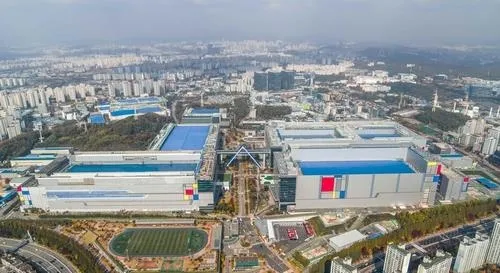
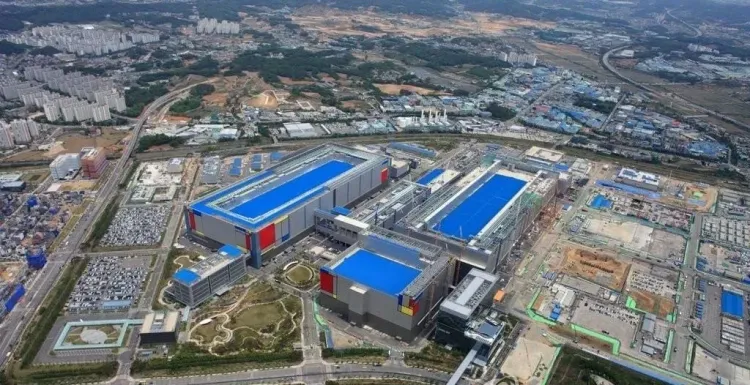
The Yongin National Industrial Complex, located just south of Seoul, has been designated a national strategic project by the South Korean government, which has pledged to expedite its development. Samsung plans to build a total of six semiconductor plants at the complex, with the first now targeted for operations in 2029.
Samsung's Mega Investment Plan
The timeline revision sits within a far larger capital commitment. Samsung has announced plans to invest 2,030 trillion won (approximately US$1.35 trillion) across its Pyeongtaek and Yongin semiconductor clusters. Additionally, the company has earmarked 400 trillion won to construct two new chip plants in Gwangju, located roughly 270 kilometres south of Seoul.
These figures represent one of the largest single-company industrial investment commitments in South Korean history, underscoring how seriously Samsung is treating the AI chip race against rivals including TSMC and SK Hynix.
Samsung and SK Group's Combined Southwest Pledge
Samsung Group and SK Group have jointly committed a combined 896 trillion won (approximately $578 billion) in South Korea's southwest region, aligned with the government's broader vision of fostering shared growth in the AI industry, according to the Ministry of Trade, Industry and Resources.
Separately, SK Group has pledged to invest 470 trillion won in the southwest to build two semiconductor fabrication facilities and a 1-gigawatt AI data centre — a scale that would make it one of the largest AI infrastructure investments in Asia.
Government's 'Tripolar Mega Projects' Framework
The investment pledges are part of what the South Korean government has branded its 'tripolar mega projects' — a national industrial strategy aimed at advancing technologies across the country and positioning South Korea as a manufacturing powerhouse in the AI era. The Ministry of Trade, Industry and Resources has pledged the necessary regulatory and logistical support to ensure smooth implementation of both Samsung's and SK Group's commitments.
Notably, this is not the first time South Korea has mobilised state support around semiconductor clusters — the country's earlier push around Pyeongtaek helped Samsung compete with TSMC in advanced nodes. Whether the Yongin cluster delivers similar results will depend heavily on execution speed and global chip market conditions through the late 2020s.
What Comes Next
With the first Yongin plant now targeted for 2029, Samsung's near-term focus will be on securing land approvals, infrastructure buildout, and equipment procurement — all of which are subject to the government's accelerated industrial complex development timeline. The broader six-plant Yongin build-out is expected to unfold across the following decade, making it a generational infrastructure bet on AI semiconductor demand.
Point of View
030 trillion won headline is staggering, but capital commitments of this scale are routinely spread over decades and subject to demand cycles. The more telling detail is the government's willingness to fast-track a national industrial complex designation — South Korea is treating AI semiconductor capacity as a sovereignty issue, not just a business one. Whether Samsung can translate construction speed into competitive yield rates at cutting-edge nodes is the question that will define the Yongin bet.
NationPress
10 Oct 2026
Frequently Asked Questions
When will Samsung's first Yongin chip plant begin operations?
Samsung Electronics is now targeting 2029 for the start of operations at the first semiconductor plant in its Yongin cluster, which is one to two years earlier than previously planned. The acceleration is driven by surging global demand for AI chips.
How many chip plants will Samsung build at Yongin?
Samsung plans to build a total of six semiconductor fabrication plants at the Yongin National Industrial Complex, located just south of Seoul. The first plant's launch has been moved up to 2029, with the remaining facilities expected to come online over the following decade.
How much is Samsung investing in its semiconductor clusters?
Samsung has announced a mega investment of ₩2,030 trillion won (approximately US$1.35 trillion) across its Pyeongtaek and Yongin semiconductor clusters, along with an additional ₩400 trillion won to build two new chip plants in Gwangju, about 270 kilometres south of Seoul.
What is the Samsung and SK Group combined investment pledge?
Samsung Group and SK Group have jointly committed ₩896 trillion won (approximately $578 billion) in South Korea's southwest region, as part of the government's vision for shared growth in the AI industry. SK Group's portion alone amounts to ₩470 trillion won, covering two semiconductor fabs and a 1-gigawatt AI data centre.
What is South Korea's 'tripolar mega projects' strategy?
South Korea's 'tripolar mega projects' is a government-led national industrial strategy aimed at advancing technologies across the country and positioning it as a manufacturing powerhouse in the AI era. The Ministry of Trade, Industry and Resources has pledged full support for the implementation of investments by Samsung and SK Group under this framework.