Serum Institute fast-tracks Ebola vaccine for Bundibugyo strain amid DRC outbreak

Synopsis
With no approved vaccine for the Bundibugyo Ebola strain and over 650 deaths already recorded in the DRC and Uganda, the Serum Institute of India is fast-tracking ChAdOx1 BDBV — built on the same platform as the Oxford-AstraZeneca Covid shot. India's vaccine manufacturing muscle is once again being called upon to answer a global health emergency.
Key Takeaways
The Serum Institute of India (SII) is fast-tracking the ChAdOx1 BDBV Ebola vaccine candidate targeting the Bundibugyo strain .
The effort is a collaboration with the University of Oxford , CEPI , WHO , and Africa CDC .
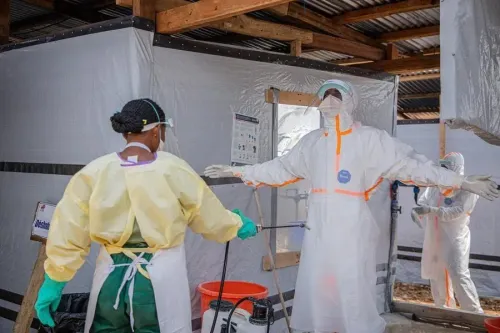
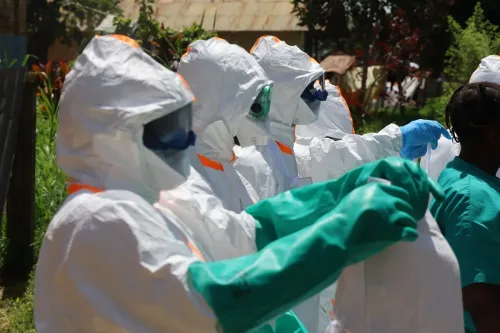
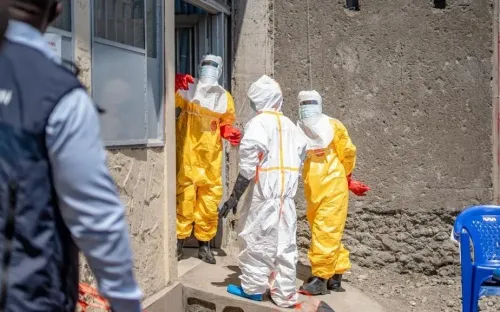
More than 1,500 suspected cases and over 650 deaths have been recorded in the DRC and Uganda .
No approved vaccine currently exists for the Bundibugyo variant; existing vaccines target the Zaire strain .
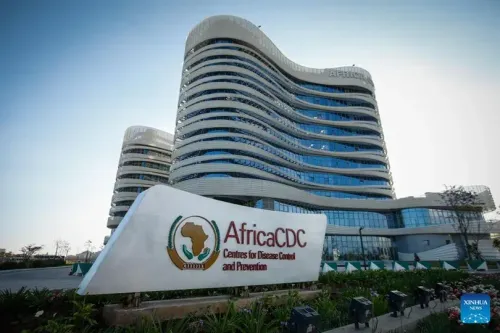
Africa CDC Director-General Jean Kaseya has confirmed SII as the manufacturer.
India has reported no active Ebola cases but has heightened airport surveillance and screening protocols.
The Serum Institute of India (SII) is accelerating development and production of a vaccine candidate targeting the Bundibugyo strain of the Ebola virus, as Central Africa grapples with a worsening outbreak that has claimed more than 650 lives, according to reports. The initiative positions India as a pivotal player in the global health response to one of the most pressing infectious disease emergencies of 2025.
The Vaccine and Its Partners
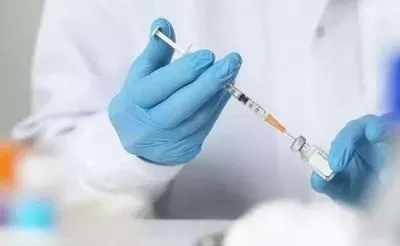
The candidate, designated ChAdOx1 BDBV, is being developed in collaboration with the University of Oxford and the Coalition for Epidemic Preparedness Innovations (CEPI), with backing from the World Health Organization (WHO) and the Africa Centres for Disease Control and Prevention (Africa CDC). The vaccine employs the same viral vector technology platform used for the Oxford-AstraZeneca Covid-19 vaccine — a proven manufacturing backbone that enables faster scale-up once clinical-grade doses are ready for testing.
Crucially, no approved vaccine currently exists for the Bundibugyo variant, distinguishing this effort from existing Ebola immunisation programmes that target the more prevalent Zaire strain. Africa CDC Director-General Jean Kaseya has confirmed that SII will manufacture the vaccine.
Scale of the Outbreak
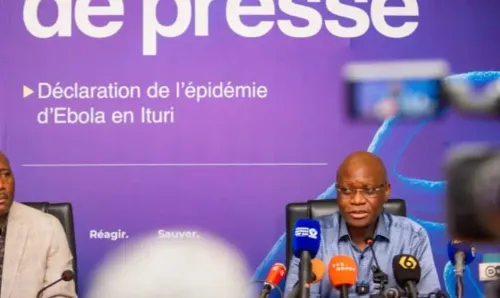
More than 1,500 suspected Ebola cases and over 650 deaths have been recorded across the Democratic Republic of Congo (DRC) and parts of Uganda since the outbreak began earlier this year, according to available reports. WHO Director-General Tedros Adhanom Ghebreyesus has said a successful Bundibugyo vaccine 'could help control the current epidemic and strengthen preparedness for future outbreaks.'
WHO has also accelerated its assessment process for the ChAdOx1 BDBV candidate as international health agencies race to contain transmission and prevent cross-border spread.
India's Domestic Preparedness
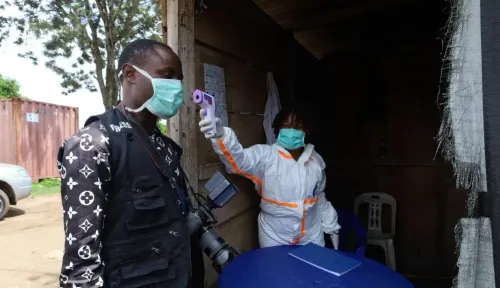
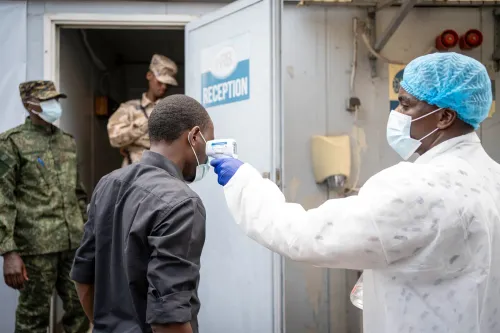
India has reported no active Ebola cases as of 13 June 2025. However, health authorities and airport operators have heightened surveillance, implementing screening and isolation protocols for travellers arriving from affected regions. Experts have described the outbreak as a global health concern that demands coordinated international action.
Why SII's Role Matters
The Serum Institute's involvement underscores India's growing strategic importance in global vaccine manufacturing — a role cemented during the Covid-19 pandemic when SII produced billions of doses for low- and middle-income countries. This comes amid renewed global focus on epidemic preparedness, with CEPI and WHO pushing for faster vaccine development timelines for priority pathogens. Notably, the use of an established viral vector platform could significantly compress the timeline from clinical trials to emergency authorisation, should the outbreak intensify.
The next critical milestone will be the availability of clinical-grade doses for human trials, after which WHO's accelerated review pathway could fast-track emergency use listing.
Point of View
And this Ebola response confirms that pattern holds even for rare-strain candidates. The more pointed question is regulatory speed: the ChAdOx1 platform is proven, but Bundibugyo-specific efficacy data is thin, and WHO's accelerated assessment will face pressure to balance urgency with rigour. With over 650 deaths already and no approved alternative, the risk calculus almost certainly favours speed — but the absence of a precedent for this strain means any trial shortcut carries real scientific uncertainty that mainstream coverage is underplaying.
NationPress
21 Sept 2026
Frequently Asked Questions
What is the ChAdOx1 BDBV Ebola vaccine being developed by the Serum Institute of India?
ChAdOx1 BDBV is a vaccine candidate designed to protect against the Bundibugyo strain of the Ebola virus, for which no approved vaccine currently exists. It is being developed by the Serum Institute of India in collaboration with the University of Oxford and CEPI, using the same viral vector platform as the Oxford-AstraZeneca Covid-19 vaccine.
How serious is the current Ebola outbreak in the DRC and Uganda?
More than 1,500 suspected Ebola cases and over 650 deaths have been recorded in the Democratic Republic of Congo and parts of Uganda since the outbreak began in 2025, according to available reports. WHO has described the situation as a significant global health concern requiring urgent international response.
Why is there no existing vaccine for the Bundibugyo Ebola strain?
The Bundibugyo strain is a relatively rare variant of the Ebola virus, and approved vaccines — such as those used in previous outbreaks — target the more common Zaire strain. The rarity of Bundibugyo outbreaks historically limited investment in strain-specific vaccine development.
Is India at risk from the Ebola outbreak?
India has reported no active Ebola cases as of 13 June 2025. Health authorities and airports have, however, implemented heightened surveillance including screening and isolation protocols for travellers arriving from affected regions in Central Africa.
What is the role of WHO and Africa CDC in this vaccine effort?
WHO has accelerated its assessment process for the ChAdOx1 BDBV candidate to speed up potential emergency authorisation. Africa CDC Director-General Jean Kaseya has confirmed that the Serum Institute of India will manufacture the vaccine, with both agencies providing institutional support alongside CEPI and the University of Oxford.