Bundibugyo Ebola vaccine trials begin in Uganda as DRC outbreak kills 4,205
Synopsis
With the DRC's Bundibugyo Ebola outbreak recording a staggering 48.2 per cent case fatality rate and Kenya now reporting its first imported death, two vaccine candidates — from Oxford and Moderna — have simultaneously entered Phase Ib trials in Uganda. There is no approved vaccine or treatment for this strain, making these trials the most urgent front in the global response.
Key Takeaways
Phase Ib trials of the Oxford ChAdOx1 BDBV vaccine began in Uganda on 6 October 2026 .
Moderna's candidate received ethical approval for Phase Ib trials in Uganda on 7 October 2026 .
The DRC outbreak has recorded 8,728 confirmed cases , 4,205 deaths , and a case fatality rate of 48.2 per cent as of 6 October .
The DRC has received 70,000 doses of the Ervebo vaccine , though it is approved only for the Zaire strain, not Bundibugyo.
Kenya confirmed its first imported Bundibugyo Ebola case on Tuesday after a patient who travelled from the DRC via Uganda died in Nairobi .
Vaccination under the BRAVO research protocol has been suspended due to supply shortages .
A candidate vaccine against the Bundibugyo Ebola virus has entered Phase Ib clinical trials in Uganda, the Africa Centres for Disease Control and Prevention (Africa CDC) announced on Thursday, 8 October 2026, as the death toll from the ongoing outbreak in the Democratic Republic of the Congo (DRC) climbs past 4,200. The development marks a critical acceleration in global efforts to find targeted countermeasures against a strain for which no approved vaccine or treatment currently exists.
Two Vaccine Candidates Enter Uganda Trials
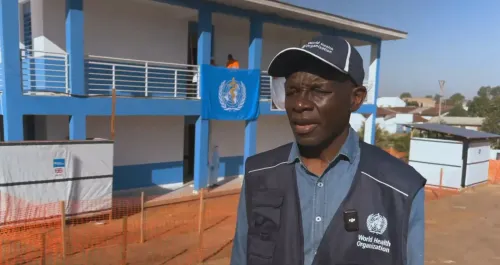
Wessam Mankoula, an Africa CDC official, said during an online press briefing that Phase Ib trials of the ChAdOx1 BDBV vaccine, developed by the University of Oxford, commenced in Uganda on 6 October, following the launch of Phase Ia trials in Britain in July. A second candidate developed by Moderna received ethical approval for Phase Ib trials in Uganda on 7 October, after its own Phase Ia trials began in Canada in early August. The concurrent progression of two separate candidates through trial phases is notably swift by historical standards for emerging pathogen research.
DRC Outbreak Scale: Cases, Deaths and Fatality Rate
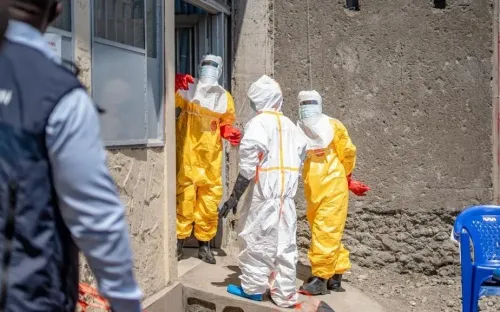
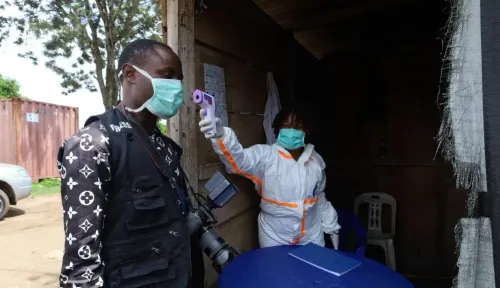
According to the latest figures released by DRC health authorities, the outbreak had recorded 8,728 confirmed cases and 4,205 deaths as of 6 October, with a case fatality rate of 48.2 per cent. A total of 2,269 patients had recovered. The Bundibugyo Ebola virus, which first emerged in Uganda's Bundibugyo district in 2007, is distinct from the better-known Zaire strain and has historically attracted far less vaccine development investment.
Ervebo Doses Deployed Under Compassionate-Use Protocol
The Africa CDC confirmed the DRC had received 70,000 doses of the Ervebo vaccine, which is approved for use against the Zaire Ebola virus but has not been proven effective against the Bundibugyo strain. Under a protocol-governed compassionate-use programme, 7,775 healthcare and frontline workers had been vaccinated as of 7 October. A further 848 frontline workers received the vaccine under a separate research protocol known as BRAVO, although vaccination under that programme has been suspended due to supply shortages.
Kenya Confirms First Imported Case After Nairobi Death
Kenya on Tuesday confirmed its first imported case of Bundibugyo Ebola virus disease, a day after a man died at a Nairobi hospital. According to Health Cabinet Secretary Aden Duale, the patient was a Kenyan citizen who had lived in the DRC for the past seven years. He reportedly fell ill approximately one month ago and was treated at several hospitals in the DRC before travelling by road to Kampala, Uganda, boarding Jambojet flight 8523, and arriving in Nairobi on 3 October. The confirmed cross-border transmission raises concerns about containment across East Africa's heavily trafficked transport corridors.
What Comes Next
The progression of both the Oxford and Moderna candidates to Phase Ib in Uganda — the country geographically closest to the DRC epicentre — signals that researchers are prioritising populations at highest exposure risk for early-stage safety and immunogenicity data. Health authorities are expected to monitor the Kenya case for secondary contacts, while the BRAVO programme remains on hold pending resupply of Ervebo doses.
Point of View
But the pace of the outbreak makes the timeline brutal — over 4,200 dead before a single candidate has cleared Phase II. The Ervebo workaround is a stopgap built on hope rather than evidence, and suspending the BRAVO protocol mid-outbreak over supply shortages is precisely the kind of logistical failure that historically allows Ebola to spread. Kenya's imported case is the clearest signal yet that this is no longer a contained DRC emergency — it is a regional crisis that East African health systems, many still under-resourced, are unprepared for.
NationPress
8 Oct 2026
Frequently Asked Questions
What is the Bundibugyo Ebola virus and why is it dangerous?
The Bundibugyo Ebola virus is a distinct strain of Ebola first identified in Uganda's Bundibugyo district in 2007. It is dangerous because no specifically approved vaccine or treatment exists for it, and the current DRC outbreak is recording a case fatality rate of 48.2 per cent.
Which vaccines are being trialled against Bundibugyo Ebola in Uganda?
Two candidates are in Phase Ib trials in Uganda: the ChAdOx1 BDBV vaccine developed by the University of Oxford, which began trials on 6 October 2026, and a Moderna candidate that received ethical approval on 7 October 2026. Both had completed earlier Phase Ia trials in the UK and Canada respectively.
How severe is the current Ebola outbreak in the DRC?
As of 6 October 2026, the DRC outbreak had recorded 8,728 confirmed cases and 4,205 deaths, with a case fatality rate of 48.2 per cent. A total of 2,269 patients had recovered.
Why is the Ervebo vaccine being used if it is not proven effective against Bundibugyo Ebola?
Ervebo is being administered under a compassionate-use programme in the absence of an approved Bundibugyo-specific vaccine, as it is the only available Ebola vaccine. It is approved against the Zaire strain, not Bundibugyo, so its use is protocol-governed and monitored.
How did Ebola reach Kenya?
Kenya confirmed its first imported Bundibugyo Ebola case after a Kenyan man who had lived in the DRC for seven years fell ill, was treated at DRC hospitals, then travelled by road to Kampala and flew to Nairobi on Jambojet flight 8523 on 3 October 2026, where he subsequently died.