DR Congo Ebola outbreak: 2,973 cases, 1,309 deaths as DRC PM warns of crisis
Synopsis
The DRC's Ebola toll has climbed to 2,973 confirmed cases and 1,309 deaths, with the Bundibugyo strain now active across five eastern provinces and 123 healthcare workers infected. As the government races to plug logistics gaps with a $50 million outlay, Oxford has launched the world's first human trial of a Bundibugyo-specific vaccine — a race against a strain for which no approved treatment yet exists.
Key Takeaways
The DRC has recorded 2,973 confirmed Ebola cases and 1,309 deaths as of 25 July .
The outbreak, declared on 15 May , has spread across five provinces : Ituri, North Kivu, South Kivu, Haut-Uele, and Tshopo.
123 frontline health workers have been infected; 36 have died .
Prime Minister Judith Suminwa Tuluka announced $50 million in government disbursements for the response.
There is currently no approved vaccine or licensed treatment for the Bundibugyo ebolavirus strain responsible for this outbreak.
The University of Oxford has begun the world's first human trial of a Bundibugyo-specific vaccine, ChAdOx1 BDBV .
The Democratic Republic of the Congo (DRC) has recorded 2,973 confirmed Ebola cases, including 1,309 deaths, as the outbreak caused by the Bundibugyo ebolavirus continues to spread across multiple eastern provinces. Prime Minister Judith Suminwa Tuluka warned on Friday, 25 July that the epidemic risks compounding an already severe humanitarian crisis in the region.
Scale and Spread of the Outbreak
Declared on 15 May, the outbreak has expanded well beyond its initial epicentre, now spanning Ituri, North Kivu, South Kivu, Haut-Uele, and Tshopo provinces. According to the latest situation report from the country's health authorities, 540 patients have recovered since the outbreak began, while 766 people remain in isolation or hospitalisation.
Health authorities cautioned that recent fluctuations in reported case counts should be read carefully, given reporting delays and the progressive consolidation of data. The epidemic, officials noted, remains in a phase of sustained transmission with a high level of virus circulation.
Frontline Workers Among the Infected
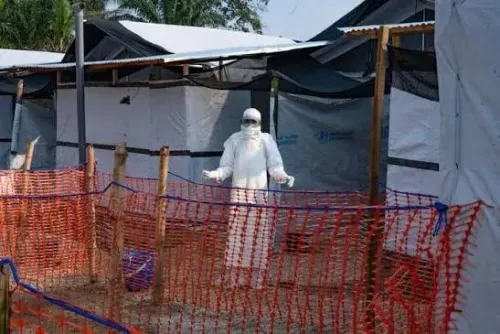
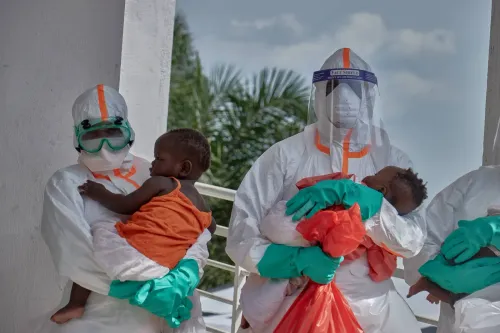
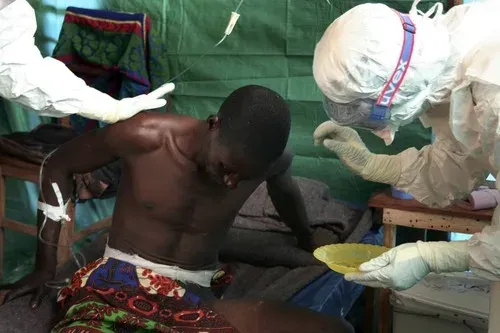
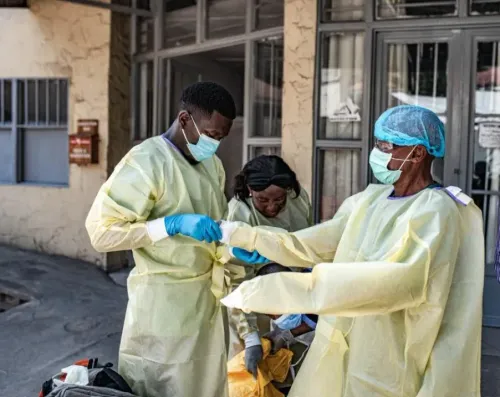
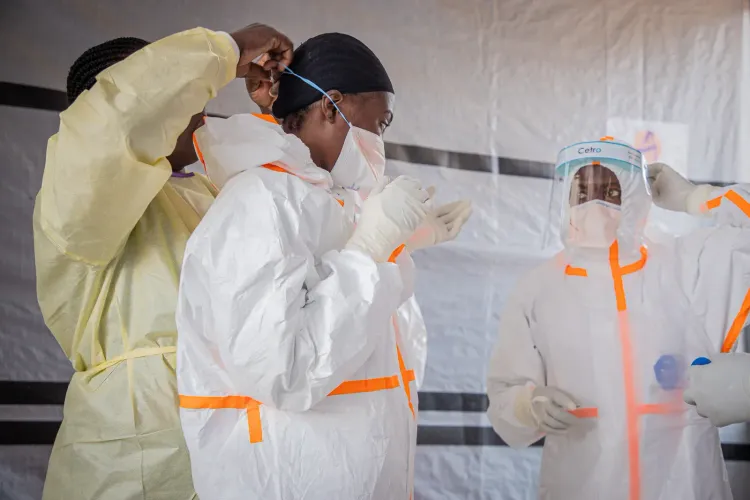
The toll on the healthcare system has been severe. A total of 123 health workers and other frontline personnel have been infected since the outbreak began, of whom 36 have died. The loss of trained medical staff deepens the strain on a health infrastructure already stretched by years of conflict and displacement in eastern DRC.
Government Response and Funding
Speaking in Bunia, the capital of Ituri Province and the current epicentre of the outbreak, Prime Minister Suminwa said the government has disbursed $50 million for the response effort, supplemented by funds mobilised through international partners. She stressed, however, that the pace of logistics deployment must accelerate across the expanding outbreak zone.
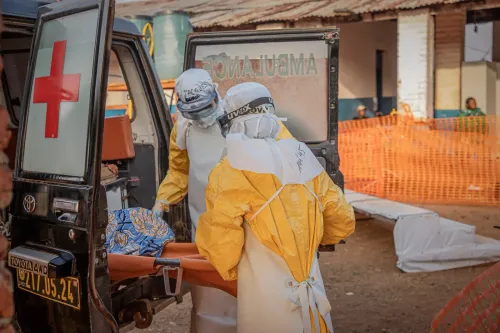
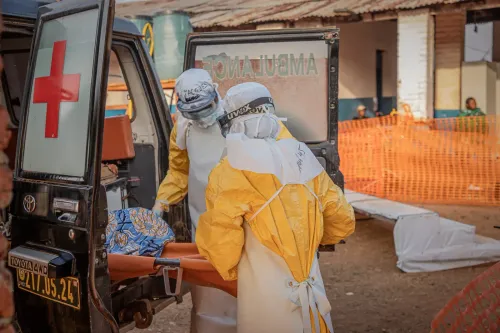
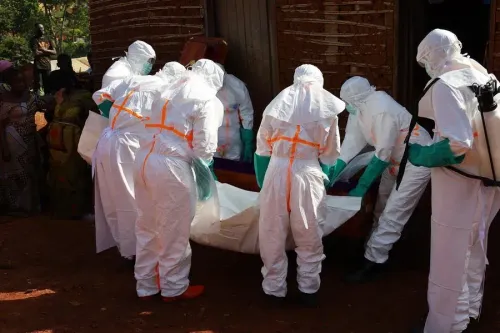
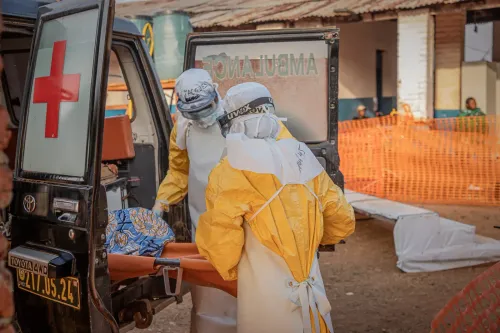
'The issue now is how to ensure that all the logistics are taken care of,' she said, citing gaps in laboratory equipment, water and oxygen supplies, ambulances, hygiene materials, and equipment for safe and dignified burials. She also called for heightened vigilance at displacement sites, warning that crowded conditions could accelerate transmission.
Vaccine and Treatment Development
There is currently no approved vaccine or specifically licensed treatment for the Bundibugyo ebolavirus strain driving this outbreak. Several experimental vaccines and therapeutics are undergoing clinical evaluation. The Prime Minister expressed hope that a vaccine and treatment could become available 'within two to four months,' noting that the government has provided research funding, though she did not detail the development stage or expected regulatory approval process.
In a significant parallel development, the University of Oxford announced on Friday that the first volunteer has received a dose in the world's first human trial of a Bundibugyo-specific vaccine, known as ChAdOx1 BDBV. The trial marks an early but critical step toward a licensed protective tool for what has historically been an understudied ebolavirus strain.
What Comes Next
With the outbreak now in its third month and spreading across five provinces, the coming weeks will test both the DRC government's logistical capacity and the speed at which international partners can mobilise resources. The Oxford vaccine trial, if it progresses without safety concerns, could yield preliminary efficacy data within months — though full regulatory approval typically takes considerably longer.
Point of View
But a vaccine 'within two to four months' almost certainly refers to early trial data, not deployment-ready doses; conflating the two risks creating false public reassurance. More immediately, the infection of 123 health workers signals a containment failure at the facility level that no amount of funding fixes without faster logistics execution. With five provinces now affected and displacement sites flagged as amplification risks, the window for containment is narrowing.
NationPress
24 Oct 2026
Frequently Asked Questions
How many Ebola cases have been confirmed in the DRC?
As of 25 July, the DRC has confirmed 2,973 Ebola cases, including 1,309 deaths and 540 recoveries, with 766 people still in isolation or hospitalisation. The outbreak was declared on 15 May and is caused by the Bundibugyo ebolavirus strain.
Which provinces in the DRC are affected by the Ebola outbreak?
The outbreak has spread across five eastern provinces: Ituri, North Kivu, South Kivu, Haut-Uele, and Tshopo. Bunia, the capital of Ituri Province, is the current epicentre.
Is there a vaccine or treatment for the Bundibugyo ebolavirus?
There is currently no approved vaccine or specifically licensed treatment for the Bundibugyo ebolavirus. The University of Oxford has begun the world's first human trial of a Bundibugyo-specific vaccine called ChAdOx1 BDBV, though full regulatory approval would take considerably longer than the trial itself.
How much has the DRC government spent on the Ebola response?
Prime Minister Judith Suminwa Tuluka said the government has disbursed $50 million for the outbreak response, in addition to funds mobilised by international partners. She flagged urgent gaps in laboratory equipment, ambulances, and burial materials.
Why are health workers being infected at such high rates?
A total of 123 health workers and frontline personnel have been infected, with 36 deaths among them, pointing to containment failures at the facility level. Officials have cited shortfalls in protective equipment, laboratory supplies, and logistical support across the expanding outbreak zone.