Serum Institute leads India's Ebola vaccine push as Africa summit delayed
Synopsis
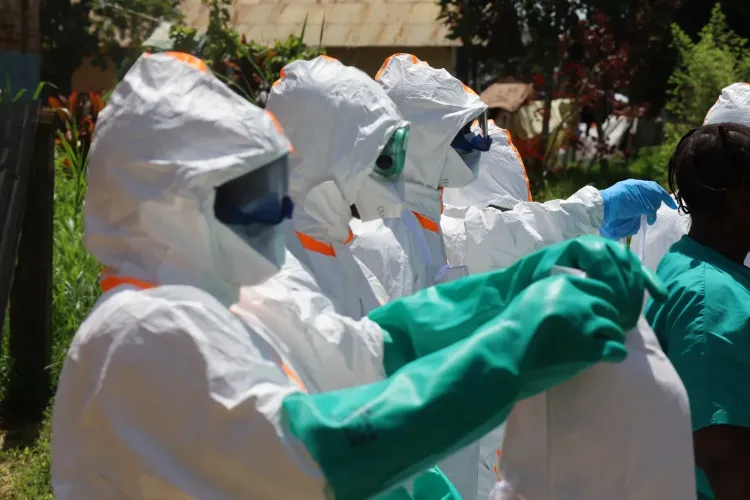
The postponement of India's flagship Africa summit over Ebola concerns has inadvertently spotlighted how central India — and specifically the Serum Institute — has become to the continent's epidemic response. With the ChAdOx1 platform now being pivoted toward Bundibugyo Ebola, the story is less about a delayed summit and more about whether India can replicate its Covid vaccine-supply role in the next global health emergency.
Key Takeaways
The fourth India-Africa Forum Summit , scheduled for 28–31 May in New Delhi , was postponed due to the Bundibugyo Ebola outbreak in the DRC and Uganda .
The Serum Institute of India (SII) is using its ChAdOx1 vaccine platform — deployed during Covid-19 — to fast-track Ebola vaccine doses, potentially ready for trials within months.
The effort is a collaboration between SII , the Coalition for Epidemic Preparedness Innovations (CEPI) , and Oxford University .
The African Union and Africa CDC are coordinating the continent's response, but large-scale vaccine manufacturing remains dependent on external partners.
The postponed summit has renewed calls for greater investment in Africa's own biotechnology and vaccine manufacturing ecosystem.
India has emerged as a pivotal partner in Africa's response to the Bundibugyo Ebola virus outbreak, with the Serum Institute of India (SII) spearheading vaccine development efforts in collaboration with the Coalition for Epidemic Preparedness Innovations (CEPI) and Oxford University, according to an analysis by IOL. The development comes amid the postponement of the fourth India-Africa Forum Summit, originally scheduled for 28–31 May in New Delhi, which was deferred following consultations between India and the African Union over the evolving public health crisis in parts of Africa.
Summit Postponement and the Ebola Context
The deferral of the India-Africa Forum Summit has drawn fresh attention to the scale of the Bundibugyo Ebola outbreak, which has been reported in the Democratic Republic of Congo (DRC) and Uganda. Indian and African Union officials agreed to postpone the high-level gathering as the public health situation on the continent continued to evolve. The summit, a flagship platform for India-Africa diplomatic and development engagement, had been scheduled to convene in New Delhi from late May.
SII's Vaccine Development Effort
At the centre of India's response is the Serum Institute of India, which is leveraging its proven ChAdOx1 vaccine platform — widely deployed during the Covid-19 pandemic — to fast-track clinical-grade doses against the Bundibugyo strain of Ebola. According to the IOL analysis, these doses could be ready for trials within months. The effort is being coordinated with CEPI and Oxford University, two of the world's leading epidemic-preparedness institutions.
This intervention closely mirrors India's role during the Covid-19 crisis, when the country became a major supplier of affordable vaccines to developing nations, including several across Africa. Notably, SII's manufacturing scale and cost efficiency were central to that effort — factors now being brought to bear on the Ebola challenge.
Africa's Institutional Response and Its Gaps
The African Union and the Africa Centres for Disease Control and Prevention (Africa CDC) are coordinating the continent's institutional response to the outbreak. However, the IOL analysis observed that vaccine research and large-scale manufacturing capabilities continue to rely heavily on external partners — a structural dependency that the postponed summit has thrown into sharp relief.
This is not the first time Africa's limited in-house biotechnology capacity has been exposed during a health emergency. The Covid-19 pandemic similarly underscored the continent's dependence on external vaccine suppliers, prompting calls — many still unmet — for greater domestic manufacturing investment.
India's Broader Humanitarian Engagement
Beyond vaccines, India's engagement with Africa encompasses humanitarian assistance, including recent food aid initiatives for countries confronting food insecurity and displacement. These efforts, according to the report, reflect a broader strategic posture by New Delhi to position itself as a development partner of choice for African nations — a role that carries both diplomatic and economic significance.
What Comes Next
The IOL analysis underscored the need for sustained investment in Africa's own biotechnology and vaccine manufacturing ecosystem to build long-term health security. A rescheduled India-Africa Forum Summit is expected to place health infrastructure and pandemic preparedness prominently on its agenda. How quickly SII's Ebola vaccine candidate can progress through trials will be closely watched by both African health authorities and global epidemic-preparedness bodies.
Point of View
This time with Ebola. India's pivot via SII is strategically astute, but it also perpetuates the same dependency dynamic that African health advocates have spent years trying to dismantle. The ChAdOx1 platform's speed is an asset, but clinical trials and regulatory approvals in outbreak conditions are notoriously unpredictable. New Delhi's growing 'pharmacy of the world' brand in Africa is real — but it is also a relationship that works best for India when Africa lacks alternatives. The harder question, which the rescheduled summit must confront, is what India is prepared to invest in building African manufacturing capacity rather than supplying it.
NationPress
20 Sept 2026
Frequently Asked Questions
Why was the India-Africa Forum Summit postponed?
The fourth India-Africa Forum Summit, originally scheduled for 28–31 May in New Delhi, was postponed following consultations between India and the African Union over the ongoing Bundibugyo Ebola outbreak in the Democratic Republic of Congo and Uganda. Both sides agreed to defer the gathering given the evolving public health situation on the continent.
What is the Serum Institute of India doing about the Ebola outbreak?
The Serum Institute of India is working with CEPI and Oxford University to accelerate development of a vaccine against the Bundibugyo strain of Ebola, using its ChAdOx1 platform — the same technology deployed during Covid-19. Clinical-grade doses could reportedly be ready for trials within months.
Which countries are affected by the Bundibugyo Ebola outbreak?
The Bundibugyo Ebola virus outbreak has been reported in the Democratic Republic of Congo (DRC) and Uganda, according to reports. The African Union and Africa CDC are coordinating the institutional response across the affected region.
How does India's current Ebola response compare to its Covid-19 vaccine role?
India's current response closely mirrors its Covid-19 role, when the Serum Institute supplied affordable vaccines to developing nations, including several African countries, at scale. The same ChAdOx1 platform and the same partnerships with CEPI and Oxford University are now being applied to the Ebola challenge.
What structural gap has the Ebola outbreak exposed in Africa's health system?
The outbreak has highlighted Africa's continued dependence on external partners for vaccine research and large-scale manufacturing. Despite calls following the Covid-19 pandemic for greater domestic biotechnology investment, the continent's in-house manufacturing capacity remains limited, a gap the postponed India-Africa summit is expected to address when rescheduled.