TRAI releases draft AI guidelines for telecom networks, seeks comments by Nov 27
Synopsis
TRAI has released draft guidelines to govern AI use in telecom networks, directly translating the Centre's February 2026 India AI Governance Guidelines into sector-specific rules. With telecom underpinning national security and critical infrastructure, how these rules are finalised — and enforced — will define AI deployment norms for every major operator in India.
Key Takeaways
TRAI released draft AI guidelines for the telecom sector on 30 October 2026 , open for stakeholder comments until 27 November 2026 .
The draft is anchored in the Centre's India AI Governance Guidelines , published in February 2026 .
Seven principles guide the draft: trust, people-centricity, innovation, fairness and equity, accountability, safety, and resilience and sustainability .
The telecom sector is flagged as critical for national security, emergency response, and essential e-services .
India's AI Mission is building shared computing facilities with over 38,000 GPUs to democratise AI infrastructure.
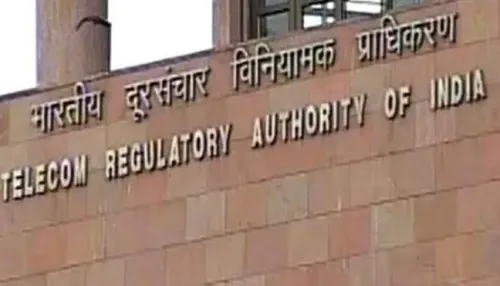
The Telecom Regulatory Authority of India (TRAI) on Friday, 30 October 2026, released draft 'Guidelines on Responsible Use of Artificial Intelligence (AI) in Telecommunication Networks and Provision of Telecommunication Services', inviting written comments from stakeholders until 27 November 2026. The move marks a significant step toward embedding AI governance norms directly into India's telecom regulatory framework.
Why TRAI Is Framing These Guidelines
TRAI's initiative is anchored in the Centre's 'India AI Governance Guidelines', released in February 2026, which sought to harness AI's transformative potential for inclusive development and global competitiveness while addressing associated risks. The regulator has now decided to translate those broader principles into sector-specific rules for telecommunications, an official statement confirmed.
According to the statement, the draft guidelines are designed to increase clarity, predictability, and accountability within the telecom ecosystem — a sector that underpins public connectivity, essential e-services, trade, commerce, and the country's critical information infrastructure.
Seven Guiding Principles at the Core
The draft guidelines are structured around seven guiding principles — trust, people-centricity, innovation, fairness and equity, accountability, safety, and resilience and sustainability. These principles are intended to provide practical guidance for both industry actors and regulators as AI deployments in telecom networks scale up.
Notably, the telecom sector's role in national security and emergency response makes AI governance in this space especially consequential. An AI system failure or bias in network management could have cascading effects well beyond commercial disruption.
India's Broader AI Ambition
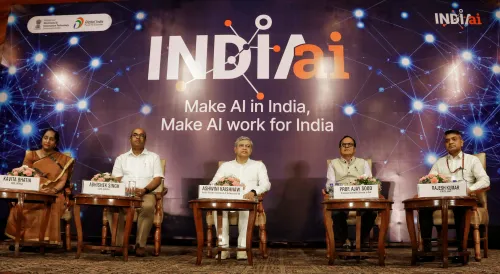
The guidelines arrive as India is positioning itself as a significant player in global AI development. The India AI Mission aims to build large-scale computing capacity, fuel research, support startups, and develop skills. A key pillar is the creation of shared computing facilities with over 38,000 GPUs, designed to prevent concentration of AI resources among a handful of corporations.
According to recent assessments, India's governance model seeks to balance innovation with democratic safeguards — a framing that TRAI's sector-specific guidelines appear to reinforce.
What Stakeholders Can Do Next
All stakeholders — including telecom operators, technology vendors, civil society organisations, and academic institutions — can submit written comments on the draft guidelines to TRAI by 27 November 2026. The consultation process will shape the final version of the rules before formal notification.
With telecom networks increasingly relying on AI for traffic optimisation, fraud detection, and customer service automation, the finalisation of these guidelines is expected to have wide-ranging implications for how operators deploy and audit AI systems going forward.
Point of View
But 'accountability' and 'fairness' in a telecom context need to be defined with precision: who is liable when an AI-managed network fails during a natural disaster or a fraud-detection model wrongly flags a legitimate user? The India AI Governance Guidelines were themselves largely aspirational; TRAI now has an opportunity to set a harder regulatory floor. Whether the stakeholder consultation process draws meaningful input from civil society — not just industry — will determine whether these guidelines serve users or operators.
NationPress
30 Oct 2026
Frequently Asked Questions
What are TRAI's draft AI guidelines for telecom networks?
TRAI's draft 'Guidelines on Responsible Use of AI in Telecommunication Networks and Provision of Telecommunication Services', released on 30 October 2026, set out principles and practical guidance for AI deployment across India's telecom sector. They are based on the Centre's India AI Governance Guidelines issued in February 2026 and cover areas such as accountability, safety, and fairness.
What is the deadline for stakeholder comments on the TRAI AI draft?
Stakeholders can submit written comments on the draft guidelines to TRAI until 27 November 2026. The consultation is open to telecom operators, technology vendors, civil society organisations, and academic institutions.
Why is AI governance in telecom especially important?
The telecom sector supports connectivity for essential public services, trade, commerce, national security, and emergency response, making AI failures or biases in this space particularly consequential. TRAI has highlighted that telecom is critical to the country's information infrastructure.
What are the seven principles underlying the TRAI AI draft guidelines?
The draft is anchored in seven principles: trust, people-centricity, innovation, fairness and equity, accountability, safety, and resilience and sustainability. These are drawn from the Centre's broader India AI Governance Guidelines released in February 2026.
How does this connect to India's broader AI strategy?
The guidelines align with the India AI Mission, which aims to build computing capacity, support startups, and create shared GPU infrastructure — with over 38,000 GPUs — to prevent AI resource concentration. India is positioning its AI governance model as one that balances innovation with democratic safeguards.