Gujarat Woman Farmer Boosts Earnings to Rs 50,000 with Zero-Budget Farming
Synopsis
In a remarkable shift, a woman farmer from Gujarat's Tapi district has transformed her income through zero-budget natural farming. Discover how she cultivates 22 crops without chemicals, leading to significant financial success while promoting health and sustainability.
Key Takeaways
Zero-budget natural farming can significantly enhance farmer income.
Eco-friendly methods such as Jeevamrut and Beejamrit promote sustainability.
Natural farming reduces health risks linked to traditional farming.
Over 800,000 farmers in Gujarat have adopted these practices.
Government initiatives support sustainable agriculture.
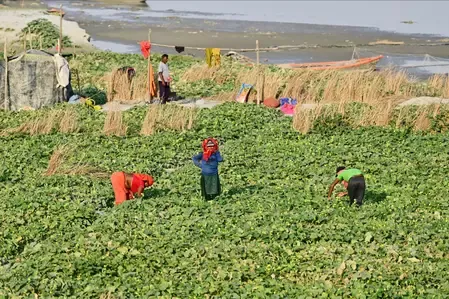
Tapi, April 17 (NationPress) A female farmer in the Tapi district of Gujarat has experienced a remarkable boost in her earnings by adopting zero-budget natural farming and growing various crops without relying on chemical inputs.
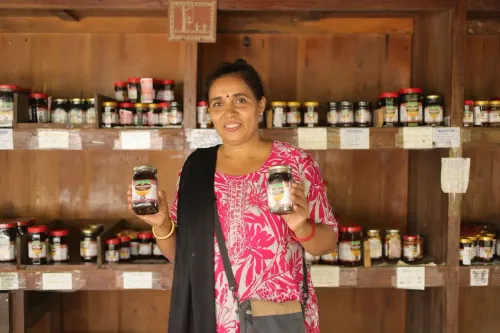
Arvinda Gamit, hailing from Singpur village in the Songadh taluka, initiated her journey in natural farming on one acre of land with support from the Krishi Vigyan Kendra and through the government’s Agricultural Technology Management Agency (ATMA) initiative.
Currently, she cultivates 22 diverse crops employing techniques such as Jeevamrut and Beejamrit, recognized as environmentally sustainable alternatives to traditional chemical fertilizers and pesticides.
Discussing the health risks associated with conventional farming, Gamit stated, “The use of chemicals in farming poses serious health threats, potentially leading to severe diseases like cancer.”
She emphasized that natural farming has allowed her to cut costs while enhancing and sustaining her productivity.
In one instance, Gamit harvested approximately two tonnes of onions on 30 guntha of land without utilizing any pesticides or fertilizers.
The produce was sold directly from her residence at Rs 25 per kilogram, generating around Rs 50,000 in just one week.
Dr. C.D. Pandya, a Senior Scientist at the Krishi Vigyan Kendra in Tapi, remarked, “This demonstrates that with adequate guidance, natural farming can yield substantial returns at a lower cost while also benefiting soil health.”
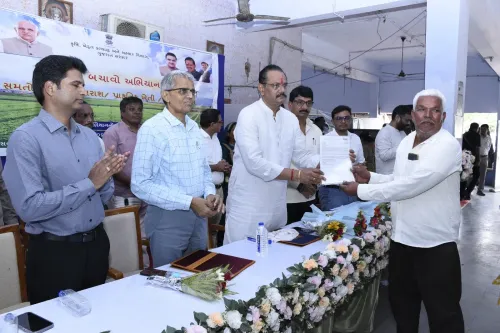
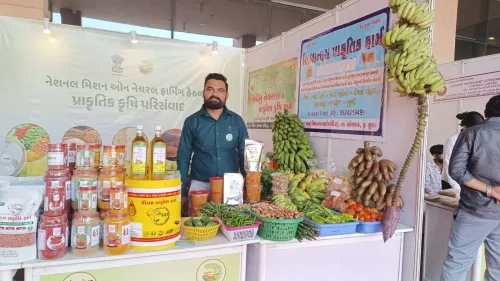
Across Gujarat, natural farming is being advocated as part of initiatives aimed at reducing reliance on chemical inputs and fostering sustainable agricultural practices.
According to government statistics, over 800,000 farmers in the state have embraced such methods, moving away from chemical usage.
Officials noted that under the leadership of Chief Minister Bhupendra Patel, the state is presenting a model of sustainable, self-sufficient, development-focused agriculture, prioritizing cost reduction while ensuring productivity and enhancing soil quality.
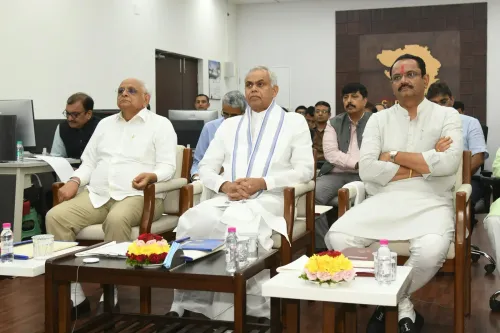
Governor Acharya Devvrat similarly promotes natural farming through various programs throughout the state.
Point of View
It highlights the potential for zero-budget farming to reshape the agricultural landscape in Gujarat and beyond.
NationPress
19 Sept 2026
Frequently Asked Questions
What is zero-budget natural farming?
Zero-budget natural farming is an agricultural practice that eliminates the need for chemical fertilizers and pesticides, focusing instead on sustainable methods that enhance soil health and crop productivity.
How did Arvinda Gamit increase her income?
Arvinda Gamit increased her income by adopting zero-budget natural farming techniques, allowing her to cultivate 22 different crops without chemical inputs, resulting in significant sales revenue.
What crops does Arvinda Gamit cultivate?
Arvinda Gamit cultivates a variety of crops, including onions, using natural farming methods that promote environmental sustainability.
Why is natural farming being promoted in Gujarat?
Natural farming is being promoted in Gujarat to reduce reliance on chemical inputs, improve soil health, and encourage sustainable agricultural practices among farmers.
How can natural farming benefit health?
Natural farming reduces the use of harmful chemicals, thereby decreasing the risk of health issues associated with chemical exposure, such as serious diseases like cancer.