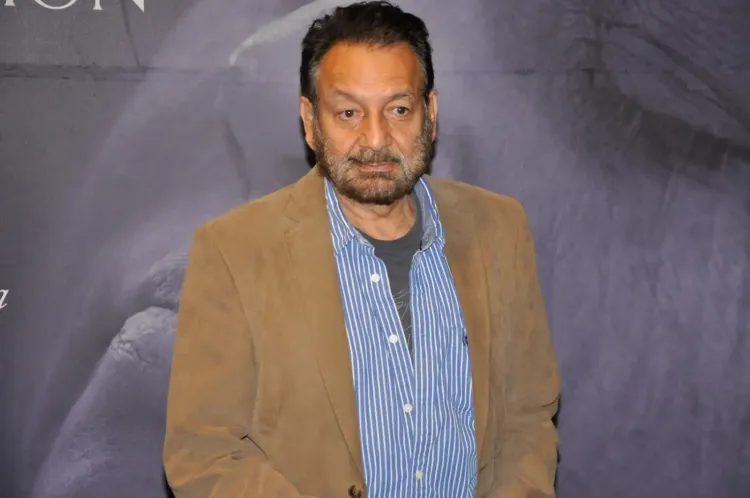
Shekhar Kapur links Rohingya tragedy to British rule
Synopsis
Shekhar Kapur has blamed British colonial policy for deepening divisions behind the Rohingya tragedy. His X post followed a reported ICJ judgment concerning Myanmar’s 2016–17 military operations in Rakhine State; the judgment’s details have not been independently verified here.
Key Takeaways
Filmmaker Shekhar Kapur linked the Rohingya tragedy to British colonial policy in a post on X .
Kapur said migration from Bengal into Burma altered demographics and deepened communal divisions.
The source report described an ICJ judgment dated 19 November 2026 concerning operations in Rakhine State in 2016–17 .
The reported judgment called for investigations, prosecutions, reparations and guarantees against repetition.
The judgment details have not been independently verified here.
Filmmaker Shekhar Kapur has linked the Rohingya tragedy in Myanmar to British colonial rule, arguing that migration from Bengal altered the region’s demographics and deepened communal divisions. His comments on X followed a reported ruling by the International Court of Justice (ICJ) concerning the treatment of the Rohingya minority.
Kapur’s post offered a historical explanation for the conflict involving Rohingya Muslims and Buddhists. His interpretation is a political and historical claim; it is distinct from the legal findings attributed to the court.
What Shekhar Kapur said
Writing on Monday, Kapur blamed British colonial policy for encouraging migration from Bengal into Burma, as Myanmar was then known. He argued that the resulting demographic changes and communal divisions were left unresolved when colonial rule ended.
He wrote: “The Rohingya tragedy has deep roots in British Colonialism. By encouraging mass migration from Bengal into Burma. The British altered the region’s demographics, and deepened communal divisions, then left without resolving them. Yet another colonial legacy whose wounds still bleed #Rohingya #Colonisation”.
The post presented colonial policy as part of the background to the tragedy rather than commenting on the actions of a particular individual in the military operations described in the report.
Reported ICJ ruling on Myanmar
The source report said the ICJ delivered a judgment on 19 November 2026 finding that Myanmar committed genocide against its Rohingya Muslim minority during military clearance operations in Rakhine State in 2016–17. It described the decision as a 9–6 majority verdict.
According to that account, the court found the state responsible for genocidal acts including mass killings, rape, sexual violence and measures intended to prevent births. The report said the court found an intention to destroy a substantial part of the Rohingya population.
The account also said the court rejected Myanmar’s argument that the atrocities formed part of a counter-insurgency campaign and found the country had failed to prevent and punish genocide. The judgment details are attributed to the source report and have not been independently verified here.
Reparations and displaced families
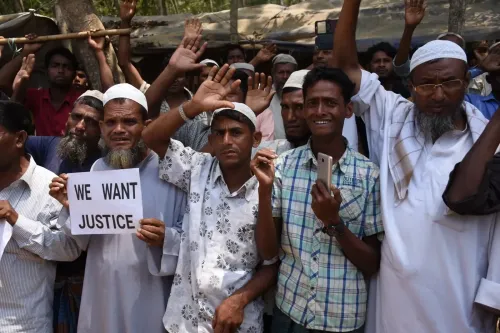
The reported ruling called for investigations and prosecutions, guarantees against repetition and reparations. The measures described included facilitating the safe, voluntary and dignified return of displaced Rohingya refugees and reuniting families.
Those provisions concern both accountability for alleged past acts and the circumstances of people displaced from Rakhine State. The source report characterised the ruling as final and binding and said it was the first time the ICJ had held a state directly responsible for committing genocide.
Colonial history and accountability
Kapur’s comments address the longer historical background, while the reported court decision concerns state responsibility for actions during the 2016–17 operations. The two should not be treated as interchangeable: his post does not establish the court’s reasoning on colonial history.
The report also drew a broad comparison with divisions in other places affected by British decolonisation, including India and Pakistan, Singapore and Malaysia, and Israel and Palestine. It did not provide detailed evidence for a direct comparison with the Rohingya case.
Further reporting on the judgment and any measures taken in response will be important for assessing what happens next for displaced Rohingya families.
Point of View
But it cannot substitute for accountability for decisions made by later governments and military authorities. Kapur’s argument and the reported legal findings address different periods and questions. Any assessment of the reported judgment should start with the court’s actual text and the measures taken to protect displaced families.
NationPress
23 Nov 2026
Frequently Asked Questions
What did Shekhar Kapur say about the Rohingya tragedy?
Shekhar Kapur said British colonial policy deepened divisions behind the Rohingya tragedy. In an X post, he argued that migration from Bengal into Burma changed the region’s demographics.
What did the source report say about the ICJ ruling on Myanmar?
The source report said the ICJ found Myanmar responsible for genocide during operations in Rakhine State in 2016–17. Its account of the judgment has not been independently verified here.
Why does the reported ICJ ruling matter to Rohingya refugees?
The reported ruling included measures concerning the safe, voluntary and dignified return of displaced Rohingya refugees and family reunification. It also called for reparations and guarantees against repetition, according to the source report.
Did Shekhar Kapur say British colonialism was the court’s finding?
Kapur presented British colonialism as his explanation for the tragedy’s historical roots. His post should not be treated as an account of the ICJ’s legal reasoning.
What happens next after the reported ICJ judgment?
The source report said the judgment ordered investigations, prosecutions and reparations. It did not specify a timetable for those measures.