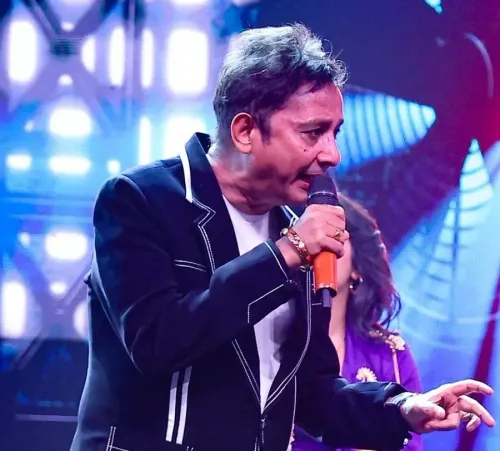
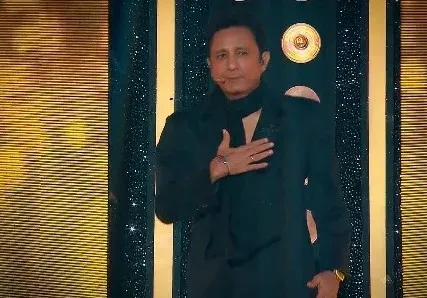
Sukhwinder Singh on 'Chaiyya Chaiyya' breakthrough after 1991 setback
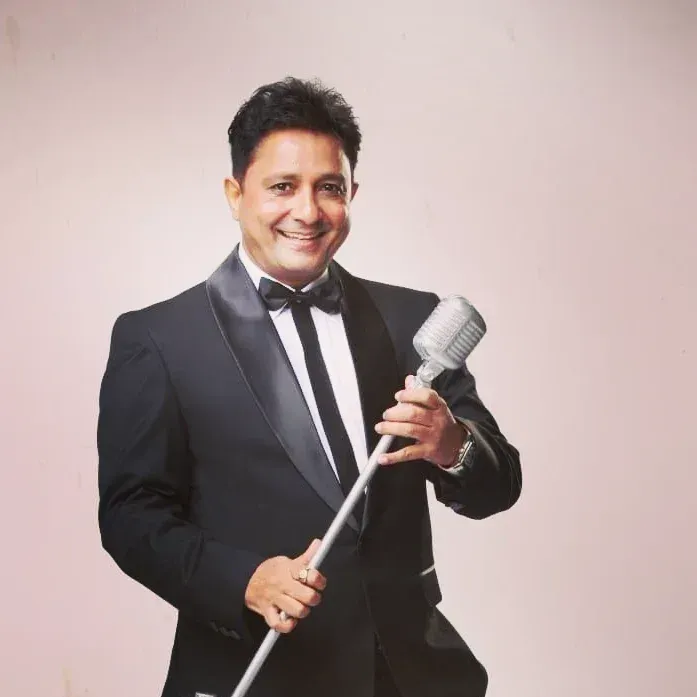
Synopsis
Before 'Chaiyya Chaiyya' turned him into a legend, Sukhwinder Singh quietly turned down a star-making launch by Laxmikant–Pyarelal in 1991 — choosing orchestration study over a debut he felt he wasn't ready for. That deliberate detour, he now says, shaped everything that came after.
Key Takeaways
Sukhwinder Singh debuted with 'Aaja Sanam Meri Jaan Chali' from the 1991 film 'Khilaaf' , a track he felt came before he was ready.
Composer duo Laxmikant–Pyarelal had offered to formally launch him as a singer, but he chose to study orchestration instead.
He described the performance as 'very energetic' and 'not in my nature', yet acknowledges a section of listeners appreciated it.
His breakthrough came with 'Chaiyya Chaiyya' from Dil Se (1998) , followed by iconic tracks including 'Bismil' , 'Ramta Jogi' , and 'Kar Har Maidaan Fateh' .
Sukhwinder received the National Film Award for Best Male Playback Singer in 2014 for 'Bismil' from Haider .
Singer Sukhwinder Singh once opened up about the early stumble that preceded his meteoric rise — a debut track that he himself felt arrived before he was ready, and a deliberate choice to delay stardom in favour of craft. Long before 'Chaiyya Chaiyya' made him a household name, Sukhwinder was navigating a crossroads that would define his artistic identity.
The Song That Came Too Soon
In a throwback interview, Sukhwinder recalled 'Aaja Sanam Meri Jaan Chali' from the 1991 drama 'Khilaaf' — a track he considers one of the most underrated moments of his early career. The legendary composer duo Laxmikant–Pyarelal had wanted to formally launch him as a playback singer at the time, but Sukhwinder had other priorities.
'They wanted to launch me as a singer. When I played my CD for 'Munda South Halla' to them, but I wanted to learn orchestration, so I needed some more time. I wanted to learn what they were going through emotionally while composing a song,' he explained.
A Performance Against His Nature
Sukhwinder was candid about the mismatch between his instincts and the demands of the song. 'When I sang the song, I sang it in a very energetic way. I sang it in such a way that I had to sing it strongly, something which was not in my nature,' he said.
He acknowledged that the track found a section of appreciative listeners, but maintained that the timing was off — that he had not yet fully developed the emotional and technical grounding he was seeking. Notably, even today he listens to it with a sense of detached curiosity, describing it as 'very different' and something he enjoys revisiting.
The Deliberate Detour Into Orchestration
What sets Sukhwinder's story apart is the conscious trade-off he made. At a point when a major composer duo was offering him a launchpad, he chose to step back and study orchestration — to understand the compositional process from the inside. That patience, critics and music historians have noted, is evident in the emotional depth he brought to later recordings.
His eventual breakthrough came with A.R. Rahman's 'Chaiyya Chaiyya' from Dil Se (1998), followed by a string of defining tracks including 'Ramta Jogi', 'Bidi Jalaile', 'Haule Haule', and 'Kar Har Maidaan Fateh'.
National Recognition and Legacy
The patience paid off in full. Sukhwinder went on to receive the National Film Award for Best Male Playback Singer in 2014 for 'Bismil' from Haider — one of Hindi cinema's most celebrated awards in playback singing. The arc from a hesitant 1991 debut to a National Award is a testament to the value he placed on readiness over opportunity.
His journey remains a reference point for aspiring playback singers navigating the pressure to debut early versus the discipline of long-term craft development.
Point of View
Walking away from that is significant. What the story also reveals, without stating it directly, is how much of a singer's signature sound is built in the years the public never sees — and how 'Chaiyya Chaiyya' was not luck, but the product of a very deliberate apprenticeship.
NationPress
29 Aug 2026
Frequently Asked Questions
What was Sukhwinder Singh's first major setback in his singing career?
Sukhwinder Singh's early setback was his 1991 debut track 'Aaja Sanam Meri Jaan Chali' from the film 'Khilaaf', which he felt did not connect the way it could have. He has said the performance style was not in his nature, and that he believed it was simply not the right time for him to launch as a singer.
Why did Sukhwinder Singh delay his debut despite Laxmikant–Pyarelal's offer?
Sukhwinder chose to study orchestration rather than accept an immediate launch, wanting to understand the emotional process behind composing a song. He felt he needed more time to develop before presenting himself to audiences as a full-fledged playback singer.
Which song made Sukhwinder Singh famous?
Sukhwinder Singh rose to national prominence with 'Chaiyya Chaiyya', composed by A.R. Rahman for the 1998 film Dil Se. He subsequently delivered several other iconic tracks including 'Ramta Jogi', 'Bidi Jalaile', 'Haule Haule', and 'Kar Har Maidaan Fateh'.
What National Award did Sukhwinder Singh win?
Sukhwinder Singh received the National Film Award for Best Male Playback Singer in 2014 for the song 'Bismil' from the film Haider. It is one of the highest honours in Indian cinema for playback singing.
How does Sukhwinder Singh feel about 'Aaja Sanam Meri Jaan Chali' today?
He has said that even now, when he listens to the song, he finds it 'very different' and enjoys it. While he still believes the timing was not right when it was recorded, he looks back on it with a sense of curiosity rather than regret.