Sameer on why new playback singers all sound like Arijit Singh

Synopsis
Veteran lyricist Sameer's resurfaced podcast clip has reignited a sharp debate: why do so many new Bollywood playback singers sound indistinguishable from Arijit Singh? Sameer's answer cuts to the heart of a musical culture that has traded individual artistry for algorithmic safety — and the contrast he draws with Lata Mangeshkar and Kishore Kumar's jamming sessions is a quietly devastating indictment of modern Hindi film music.
Key Takeaways
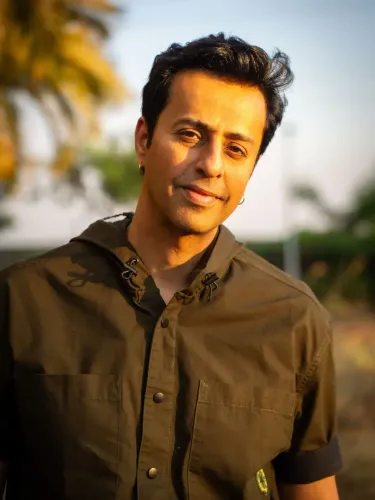
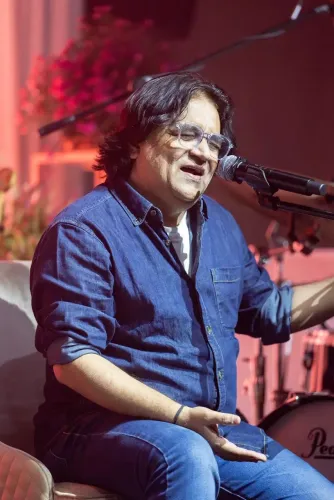
Lyricist Sameer made the remarks during his podcast 'Sameer Ka Safarnama' in conversation with singer Javed Ali .
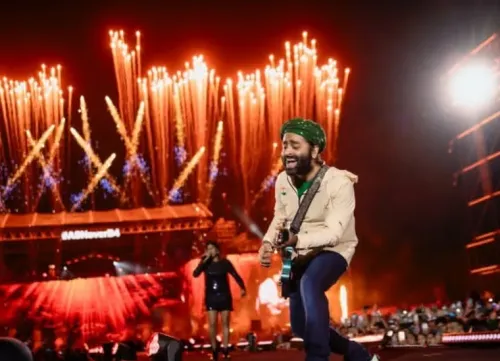
He argued that most new playback singers are imitating Arijit Singh's vocal style, erasing individual identity from Hindi film music.
Sameer also criticised the loss of collaborative culture, contrasting today's transactional sessions with the jamming culture of Lata Mangeshkar and Kishore Kumar .
He said filmmakers today treat films like proposals rather than personal creative experiences.
The clip has resurfaced on 8 November 2026 , reigniting industry debate about sonic homogeneity driven by streaming algorithms and label pressures.
Veteran lyricist Sameer has sparked renewed conversation about originality in Hindi film music after an old clip from his podcast 'Sameer Ka Safarnama' resurfaced online, in which he candidly discusses the growing homogeneity among new-generation playback singers — and name-checks Arijit Singh as the voice everyone appears to be imitating.
What Sameer Said
In the clip, Sameer is in conversation with playback singer Javed Ali and pulls no punches. 'All the veterans of Hindi film music had their own colour, and style,' he said. 'And all the composers, writers and singers of that time had a wonderful thing. Like it is over today. Nowadays it seems that everyone is singing Arjit Singh. When singers like you perform, it feels fresh, and it seems that there is a little peace and a different voice. Otherwise, every person is sounding the same. And the sound is also sounding the same. No matter what song you listen to, everyone's sound is the same.'
The remarks are pointed — Sameer is not criticising Arijit Singh himself, but rather the broader industry tendency to clone a commercially successful sound rather than develop distinct artistic voices.
The Craft Behind the Music
Sameer extended his critique beyond vocal tone to the very culture of filmmaking. 'The same kind of voice, the same kind of sound. The conviction of people in making a song, in making a film, has also disappeared somewhere,' he said. 'Every man feels that he is just making a proposal, no one is making a film. Making a film is a very personal experience despite it being a collaborative artform.'
He contrasted today's transactional studio culture with the collaborative warmth of an earlier era. 'Earlier, we used to sit, jam, meet and talk. Now I have called you, Javed, come and sing a song. You will come and sing a song and leave?' he said. 'But I saw Lata ji and Kishore da for the recordings, they were having fun, while jamming on the song, they were discussing the song.'
Why the Clip Is Resonating Now
The resurfacing of the clip comes at a time when debates about musical identity in Bollywood are growing louder. Streaming algorithms on platforms such as Spotify and JioSaavn are frequently cited by industry observers as rewarding a particular brand of melancholic, mid-tempo vocal style — a niche that Arijit Singh pioneered and which subsequent artists have reportedly been nudged toward by producers and music labels chasing proven hit formulas. Notably, this is not the first time industry veterans have raised the alarm; composers and lyricists have periodically flagged the narrowing of sonic range in mainstream Hindi cinema over the past decade.
What It Means for the Industry
Javed Ali, who has carved his own identity with songs such as 'Ek Din Teri Raahon Mein' and 'Ek Main Aur Ekk Tu', represents the exception Sameer is pointing to — a singer with a recognisable, distinctive timbre. Critics argue that the pressure to conform comes not just from artistic insecurity but from commercial incentives that favour familiar sounds over adventurous ones. Whether the conversation triggered by this viral clip translates into any tangible shift in how labels and directors approach casting for playback remains to be seen.
Point of View
But they also point to a structural problem: streaming platforms reward a narrow emotional register, and labels — risk-averse by nature — cast voices that fit proven templates. Arijit Singh did not create this trend; he simply became its most commercially successful exemplar. The more uncomfortable question the clip does not quite ask is whether audiences, through their listening habits, are as responsible for this homogeneity as the industry is. Until algorithm incentives and production economics change, the next Lata or Kishore is unlikely to get the studio time needed to develop a distinct voice.
NationPress
8 Nov 2026
Frequently Asked Questions
What did lyricist Sameer say about new playback singers and Arijit Singh?
Sameer said that most new-generation playback singers sound the same and appear to be imitating Arijit Singh, lamenting the loss of individual vocal identity in Hindi film music. He made the remarks in a podcast conversation with singer Javed Ali on 'Sameer Ka Safarnama'.
Who is Sameer, and why does his opinion on Bollywood music matter?
Sameer is one of Bollywood's most prolific lyricists, credited with writing over 4,000 songs across several decades of Hindi cinema. His long career spanning composers, directors, and singers across multiple eras gives his observations on the industry's creative culture significant weight.
Is Sameer criticising Arijit Singh directly?
No. Sameer's critique is directed at the industry tendency to clone a commercially successful vocal style rather than at Arijit Singh himself. He uses Arijit Singh as a reference point for the dominant sound, not as the cause of the problem.
What contrast did Sameer draw with veteran singers like Lata Mangeshkar and Kishore Kumar?
Sameer recalled that legendary singers such as Lata Mangeshkar and Kishore Kumar would sit, jam, and discuss songs during recording sessions, treating the process as a deeply collaborative and personal experience. He contrasted this with today's culture where singers arrive, record, and leave without genuine creative engagement.
Why has the clip resurfaced and why is it generating attention now?
The clip from 'Sameer Ka Safarnama' resurfaced online on 8 November 2026, coinciding with wider industry conversations about streaming algorithms narrowing the range of vocal styles promoted in mainstream Bollywood. It has resonated because it names a widely felt but rarely openly discussed creative conformity in the music industry.