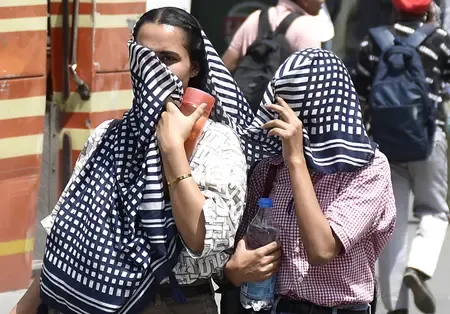
Kerala heatwave triggers power crisis, KSEB cuts supply up to 1 hour
Synopsis
Kerala is caught in a double bind: a heatwave pushing temperatures 3-4°C above normal has sent electricity demand soaring by 800 MW, but KSEB's tender for September power found zero takers — forcing hour-long supply cuts across the state with no immediate relief until Wednesday's rains.
Key Takeaways
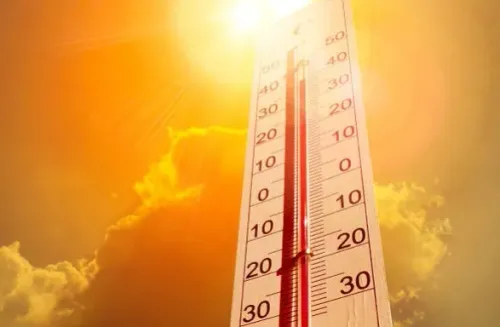
Kerala recorded a peak temperature of 36.2°C on Monday, 3 to 4 degrees Celsius above normal.
The KSEB estimates demand has surged by up to 800 MW , triggering supply cuts of up to one hour in several areas.
No company responded to KSEB's tender to supply power during peak hours in September , limiting procurement options.
High real-time market prices and the absence of short-term contracts are compounding the procurement crisis.
The IMD heat warning is in force from 7 to 9 September ; partial rain relief is expected from Wednesday .
The State Disaster Management Authority has advised residents to avoid peak-hour sun exposure and stay hydrated.
Kerala is grappling with a simultaneous heatwave and electricity crisis as of 8 September, with temperatures hovering 3 to 4 degrees Celsius above normal and the Kerala State Electricity Board (KSEB) imposing supply restrictions of up to one hour in several areas. The state recorded a peak temperature of 36.2 degrees Celsius on Monday, and the India Meteorological Department (IMD) has warned that the intense heat will persist through Tuesday before rain brings partial relief from Wednesday.
Scale of the Power Crisis
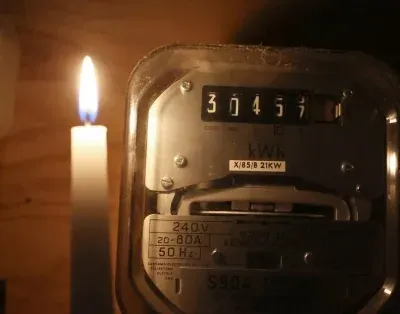
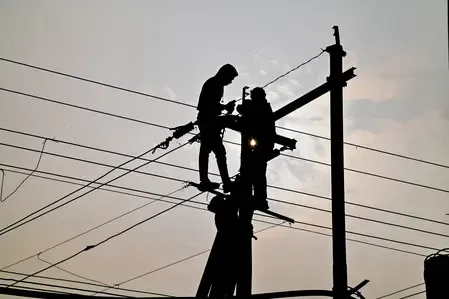
The KSEB estimates that electricity demand has surged by as much as 800 MW, driven by households and commercial establishments turning to cooling appliances in response to the extreme heat. With adequate power unavailable from outside the state during peak hours, the board was left with no option but to enforce load-shedding on Monday.
The situation is at risk of worsening on Tuesday if consumption patterns remain unchanged, according to the board. Notably, the KSEB had floated tenders to procure power for September, but no company came forward to supply electricity during peak hours — leaving the board with severely limited procurement options.
Why Procurement Has Stalled
The KSEB cited two compounding factors: the absence of short-term power contracts and prohibitively high prices in the real-time electricity market. Together, these have made emergency procurement both logistically difficult and financially unviable. This is not an isolated challenge — states across India have periodically faced similar supply-demand mismatches during unseasonal heat spells, but Kerala's situation is acute given the timing and the absence of willing suppliers.
Health Advisory Issued
The State Disaster Management Authority has issued precautionary guidelines in response to the elevated health risk. Authorities have advised residents to avoid direct sun exposure during peak afternoon hours, stay hydrated, and watch for symptoms of sunstroke, heat exhaustion, and dehydration. The IMD heat warning remains in force from 7 to 9 September, covering most parts of the state.
What Comes Next
Some relief is expected from Wednesday, when parts of Kerala are forecast to receive rainfall that could bring temperatures closer to seasonal norms. However, until then, the KSEB and state authorities are urging residents to reduce discretionary power consumption during peak hours to ease the strain on the grid. Whether Tuesday's demand pattern eases enough to avert further restrictions will be the key test for the state's overstretched power infrastructure.
Point of View
Not for climate volatility. As unseasonal heat spells grow more frequent across India, states that rely on spot markets and short-term tenders will repeatedly find themselves exposed. The real question is not whether Wednesday's rains will ease this week's crisis — they likely will — but whether Kerala will use the reprieve to build the forward-contract buffers and demand-side management systems that could prevent the next one.
NationPress
24 Oct 2026
Frequently Asked Questions
Why is Kerala facing a power crisis in September 2024?
A sustained heatwave has pushed temperatures 3 to 4 degrees Celsius above normal, causing electricity demand to spike by up to 800 MW as residents and businesses rely heavily on cooling appliances. The KSEB has been unable to procure sufficient additional power, leading to supply restrictions of up to one hour in several areas.
Why could the KSEB not procure extra power?
The KSEB floated tenders to buy power for September, but no company agreed to supply electricity during peak hours. High prices in the real-time electricity market and the absence of short-term power contracts further limited the board's options for emergency procurement.
How long will the heatwave and power restrictions last?
The IMD heat warning is in force from 7 to 9 September. Some parts of Kerala are expected to receive rain from Wednesday, which could bring temperatures closer to normal. Power restrictions may ease if demand drops, but Tuesday remains a critical day.
What health precautions have authorities advised?
The State Disaster Management Authority has advised people to avoid direct sun exposure during the hottest hours of the day, drink plenty of water, and watch for symptoms of sunstroke, heat exhaustion, and dehydration. The advisory is in place alongside the IMD's heat warning through 9 September.
How does this compare to previous Kerala power shortages?
States across India have periodically faced supply-demand mismatches during unseasonal heat spells, but Kerala's current situation is particularly acute because the surge coincides with a complete absence of willing peak-hour suppliers — an outcome that underscores the fragility of short-term procurement models during climate-driven demand spikes.