Kerala power crisis: Load shedding returns as reservoirs hit 29% amid monsoon failure
Synopsis
Kerala's hydroelectric reservoirs have crashed to 29% capacity — less than half last year's level — pushing domestic generation down by nearly two-thirds. With over three-quarters of daily demand now sourced from costly external supply, and no monsoon relief in sight, the state's power situation is deteriorating fast, even as the ruling UDF and opposition CPI(M) trade blame rather than solutions.
Key Takeaways
Kerala's KSEB reservoirs are at just 29 per cent capacity as of 16 July , against more than double that level in the same period last year.
Domestic power generation has fallen from 44.221 million units to 16.608 million units due to the weak southwest monsoon.
Daily electricity consumption stands at 88.64 million units , with 68.81 million units procured externally at high cost.
Mattupatty reservoir has only 10 per cent storage remaining; generation at Kakkad , Allunkal , and Karikkayam has virtually halted.
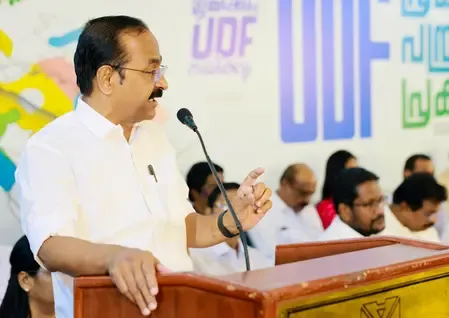
Electricity Minister Sunny Joseph acknowledged the crisis but said a timeline for restoring normal supply cannot be predicted.
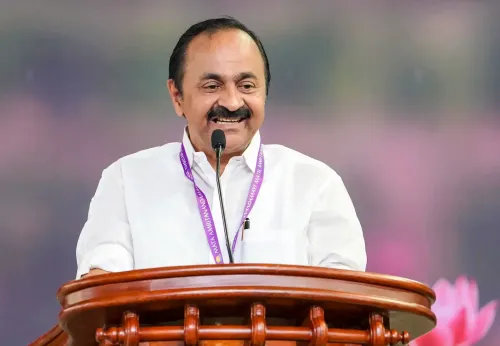
A public function attended by Chief Minister V.D.
Satheesan was disrupted by power cuts, reflecting the breadth of the outages.
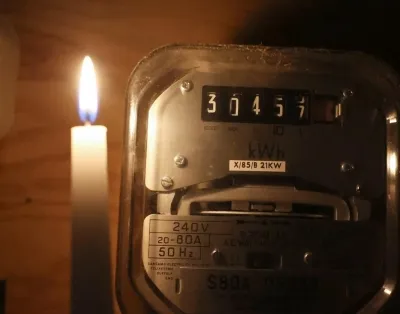
Kerala is grappling with one of its most acute power crises in recent memory, as a deficient southwest monsoon has sent hydroelectric reservoir levels crashing to just 29 per cent of capacity, forcing the state government to reimpose load shedding and exposing deep questions about energy preparedness. The shortage, centred on Thiruvananthapuram, became politically charged on 16 July as opposition leaders and ruling party figures traded barbs over who bears responsibility.
How Bad the Reservoir Situation Is
Kerala's two flagship hydroelectric projects — Idukki and Sabarigiri — are operating at barely a third of their storage capacity, a stark contrast to more than double that level during the same period last year. Smaller reservoirs are in worse shape: Mattupatty has only 10 per cent storage remaining, while Sholayar, Idamalayar, and Kundala are all under severe stress.
Generation at several projects linked to the Sabarigiri system — including Kakkad, Allunkal, and Karikkayam — has virtually come to a standstill. Domestic power generation has consequently collapsed from 44.221 million units to 16.608 million units, a drop that has left the state heavily dependent on costly external procurement.
The Supply-Demand Gap
Kerala's daily electricity consumption has climbed to 88.64 million units, with 68.81 million units — more than three-quarters of total demand — being sourced from outside the state at elevated market rates. Electricity Minister Sunny Joseph acknowledged on Thursday that any disruption in external supply could trigger widespread blackouts across the state.
Joseph also noted that Kerala is obligated to return electricity procured earlier under power exchange arrangements, and that reduced allocation from the Central power pool has compounded the shortfall. He conceded that it is currently impossible to predict how long power restrictions will continue.
Political Storm Over Load Shedding
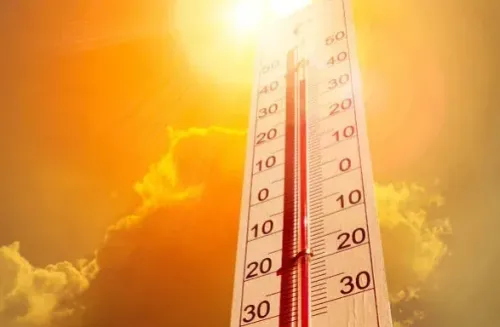
The crisis has ignited a sharp political exchange. Former Education Minister and Communist Party of India (Marxist) leader V. Sivankutty took aim at the United Democratic Front (UDF) government in a social media post, writing that while 'the sun keeps people energised during the day, Sunny keeps them troubled at night' — a pointed jibe at the electricity minister's name and a reference to nightly outages during an unusually hot monsoon season.
Rejecting allegations of administrative failure, Joseph countered that similar load-shedding restrictions had been imposed during the previous Left Democratic Front (LDF) government, and announced plans to expand battery energy storage capacity as a long-term structural solution.
Public Impact and What Comes Next
The scale of public frustration is evident: power cuts have disrupted urban centres across the state and even interrupted a public function attended by Chief Minister V.D. Satheesan, underscoring that no part of Kerala has been insulated from the outages. With reservoir levels continuing to fall and no immediate monsoon recovery in sight, the state faces an increasingly uncertain power outlook in the weeks ahead. Officials have not yet indicated a timeline for restoring normal supply.
Point of View
Despite Kerala's renewable potential. The political blame game between UDF and LDF is a distraction: both governments have presided over the same structural vulnerability. Battery storage announcements are welcome, but they are long-term fixes for a crisis that is happening now. The harder question — why Kerala has not built adequate grid-scale backup capacity despite repeated monsoon-linked shortages — remains conspicuously unanswered.
NationPress
15 Oct 2026
Frequently Asked Questions
Why is Kerala facing a power crisis in July 2025?
Kerala is facing a severe power crisis because a weak southwest monsoon has drastically reduced water levels in its hydroelectric reservoirs, which have fallen to just 29 per cent of capacity. Since the state relies heavily on hydropower, this has caused domestic generation to collapse from 44.221 million units to 16.608 million units, forcing load shedding and costly external power purchases.
How much electricity is Kerala importing from outside the state?
Kerala is currently procuring 68.81 million units per day from external sources at high cost, out of a total daily consumption of 88.64 million units. This means more than three-quarters of the state's electricity demand is being met through outside supply, making it highly vulnerable to any disruption.
Which reservoirs are most affected by the water shortage?
The worst-affected reservoirs include Idukki, Sabarigiri, Sholayar, Idamalayar, Kundala, and Mattupatty, with Mattupatty at only 10 per cent storage. Generation at projects linked to the Sabarigiri system — Kakkad, Allunkal, and Karikkayam — has virtually stopped.
What has Electricity Minister Sunny Joseph said about the crisis?
Electricity Minister Sunny Joseph acknowledged the gravity of the situation on Thursday, saying consumption has risen sharply and that it is impossible to predict when power restrictions will end. He also said Kerala must return electricity borrowed under power exchange deals, and that reduced Central pool allocations have worsened the shortfall. He announced plans for battery energy storage as a long-term fix.
How has the power crisis become a political issue in Kerala?
CPI(M) leader and former Education Minister V. Sivankutty posted on social media mocking the UDF government, quipping that 'the sun keeps people energised during the day, Sunny keeps them troubled at night' — targeting Electricity Minister Sunny Joseph by name. Joseph countered that the previous LDF government had also imposed load shedding under similar conditions.