Balaghat paediatric beds tripled, PICU doubled in MP disease-control drive
Synopsis
Madhya Pradesh has tripled paediatric beds and doubled PICU capacity in Balaghat in one move — while simultaneously running malaria screening for 26,865 people, vaccinating 27,000 children against measles-rubella, and supplying ORS to 1.6 lakh families. The scale of the multi-disease response in a single tribal district signals a serious state-level push, backed by a ₹332 crore development plan.
Key Takeaways
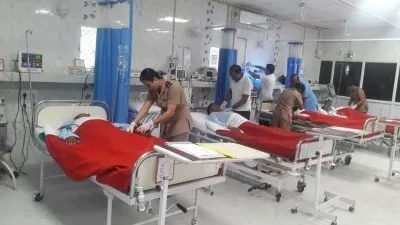
Balaghat district hospital paediatric beds tripled from 50 to 150 ; PICU beds increased from 10 to 21 .
Since 19 July , 26,865 people tested for malaria; 980 cases detected, including 895 of the more dangerous Plasmodium falciparum strain.
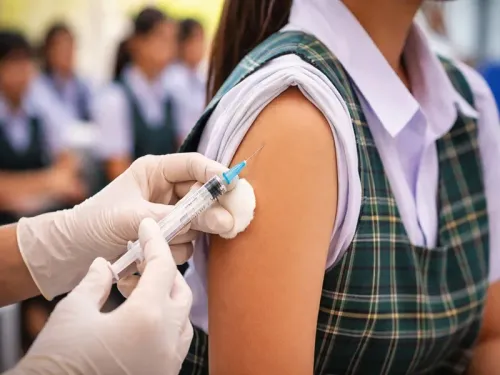
Around 27,000 children vaccinated through catch-up activities; nearly 15,000 covered under outbreak-response immunisation for measles-rubella.
ORS and zinc supplied to over 1.6 lakh families ; 734 severely ill children hospitalised for diarrhoea.
The ₹332 crore Balaghat Integrated Development Plan proposes repairs at 22 health centres and upgrade of two PHCs to 30-bed community health centres .
51 new bond doctors have joined the district; ANC coverage stands at 90% with a target of 100% set by Deputy CM Rajendra Shukla .
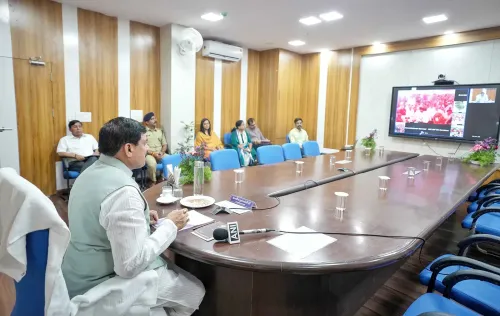
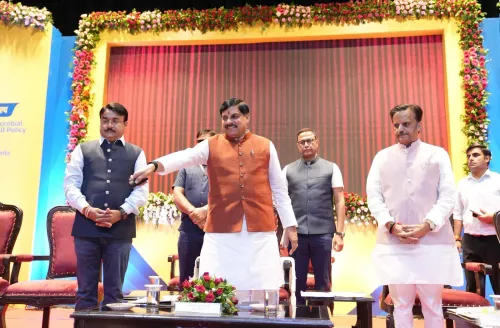
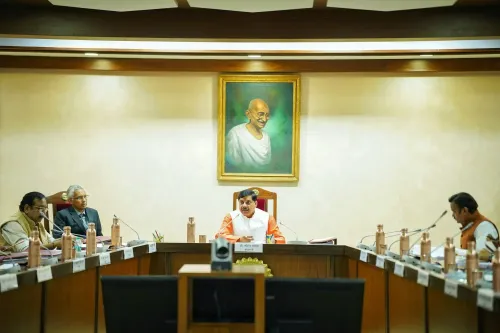
Madhya Pradesh has sharply expanded healthcare infrastructure in the tribal-dominated Balaghat district, tripling paediatric beds from 50 to 150 and more than doubling PICU capacity from 10 to 21 beds, as authorities intensify a multi-disease control campaign targeting malaria, measles-rubella, and diarrhoea. Deputy Chief Minister Rajendra Shukla disclosed the expansion on Thursday, 24 September 2026, while reviewing the district's health situation via video conference.
Key Infrastructure Additions
The expansion at the Balaghat district hospital is part of a broader push under the ₹332 crore Balaghat Integrated Development Plan, which proposes repairing and equipping 22 health centres and upgrading two primary health centres into 30-bed community health centres. Additionally, 51 new bond doctors have joined the district, addressing longstanding staffing shortfalls in one of Madhya Pradesh's more remote regions.
Six mobile medical units have been deployed in the Birsa and Baihar development blocks, providing outpatient services, fever screening, antenatal and postnatal care, tuberculosis screening, non-communicable disease checks, medicines, and health awareness services. The terrain in Balaghat — characterised by forested hills and dispersed tribal settlements — has historically made last-mile healthcare delivery difficult.
Malaria Surveillance and Control
Since 19 July, 26,865 people have been tested for malaria and 980 cases detected — of which 895 were Plasmodium falciparum, the more dangerous strain, and 85 were Plasmodium vivax. Fifteen fever-screening teams are conducting door-to-door visits in malaria-endemic areas.
Containment efforts include insecticide spraying across 7,065 houses in 71 villages and thermal fogging covering 8,610 houses in 44 villages. The disease-response workforce comprises one consultant, four malaria technical supervisors, and 112 community health volunteers. This is one of the more intensive district-level malaria responses seen in Madhya Pradesh in recent years, reflecting the Centre's heightened focus on eliminating malaria by 2030.
Measles-Rubella Vaccination and Diarrhoea Response
Around 27,000 children have been vaccinated through catch-up activities, while nearly 15,000 children aged one to ten years have been covered under outbreak-response immunisation targeting measles and rubella. The dual focus on catch-up and outbreak-response immunisation reflects persistent gaps in routine coverage in tribal blocks, where institutional delivery rates and child immunisation have lagged state averages.
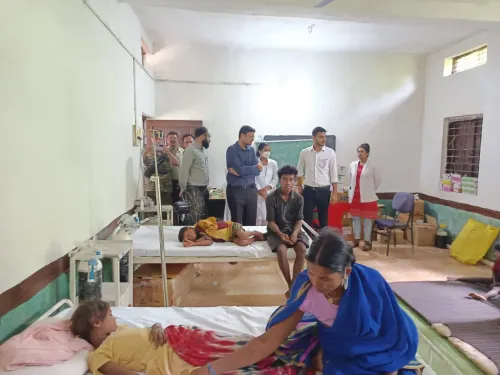
On the diarrhoea front, ORS and zinc have been supplied to over 1.6 lakh families, and 734 severely ill children have been hospitalised and treated — a figure that underscores the acute disease burden still carried by the district's youngest residents.
Maternal Health and the Road to Model District Status
Rajendra Shukla highlighted that antenatal check-up (ANC) coverage has reached 90%, calling it 'important progress' but directing officials to push for 100% coverage. 'A special campaign should be conducted to take it to 100 per cent,' he said, adding specific instructions for timely identification, follow-up, and referral of women with high-risk pregnancies.
Shukla set an aspirational target for the district: 'With seriousness, dedication and better coordination, all panchayats of Balaghat can be developed as Suman Panchayats,' he said, framing Balaghat as a potential model for healthcare delivery in remote and tribal areas. The stated ambition aligns with the state government's broader effort to demonstrate that infrastructure investment and community-level outreach can together reduce preventable mortality in underserved regions.
How quickly the expanded capacity translates into measurable reductions in child mortality and disease incidence will be closely watched in the weeks ahead.
Point of View
000 vaccinations, over 26,000 malaria tests, ORS distribution to 1.6 lakh families, all running in parallel. But the 980 confirmed malaria cases since mid-July, the 734 hospitalised diarrhoea children, and the fact that ANC coverage is still short of 100% reveal how much ground remains. Infrastructure expansion and emergency response are necessary but not sufficient; Balaghat's challenge is entrenched — rooted in geography, historical underinvestment, and tribal communities that have long been last on the healthcare queue. The ₹332 crore Integrated Development Plan is the right instinct, but its impact will depend entirely on whether upgraded facilities are staffed and functional rather than built and neglected, a pattern that has undermined past rural health investments across central India.
NationPress
24 Sept 2026
Frequently Asked Questions
How many paediatric beds have been added at Balaghat district hospital?
The paediatric beds at Balaghat district hospital have been tripled from 50 to 150, while PICU beds have been increased from 10 to 21. The expansion was announced by Deputy Chief Minister Rajendra Shukla on 24 September 2026.
What is the malaria situation in Balaghat district?
Since 19 July, 26,865 people have been tested and 980 malaria cases detected in Balaghat, including 895 cases of the more dangerous Plasmodium falciparum strain and 85 of Plasmodium vivax. Containment measures include door-to-door fever screening, insecticide spraying in 71 villages, and thermal fogging in 44 villages.
What is the Balaghat Integrated Development Plan?
It is a ₹332 crore government plan for Balaghat district that proposes repairing and equipping 22 health centres and upgrading two primary health centres into 30-bed community health centres. The plan also includes the deployment of 51 new bond doctors in the district.
How many children have been vaccinated against measles and rubella in Balaghat?
Around 27,000 children have been vaccinated through catch-up activities, while nearly 15,000 children aged one to ten years have been covered under outbreak-response immunisation. The dual approach targets both routine immunisation gaps and active outbreak control.
What measures have been taken against diarrhoea in Balaghat?
ORS and zinc have been supplied to over 1.6 lakh families in Balaghat, and 734 severely ill children have been hospitalised and treated. The scale of hospitalisation reflects the acute diarrhoea burden in the district's tribal and remote populations.