Rashtriya Poshan Maah 2026 launched in Varanasi, 'Hamari Anganwadi' theme set
Synopsis
India's ninth Rashtriya Poshan Maah kicked off in Varanasi with a theme that puts Anganwadi centres — all 13.99 lakh of them — at the centre of community accountability. With PMMVY marking its 10th anniversary and over 8.94 crore beneficiaries in the system, the 2026 edition is as much a stock-taking exercise as a mobilisation drive.
Key Takeaways
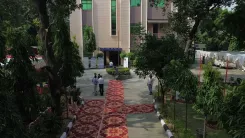
The ninth edition of Rashtriya Poshan Maah 2026 was launched on Wednesday at the Rudraksh International Cooperation and Convention Centre, Varanasi .
The central theme is 'Hamari Anganwadi Hamari Jimmedari' , calling for shared community ownership of Anganwadi centres.
The campaign is built around five priorities including dietary diversity, hot cooked meals under SNP, community accountability, ECCE, and regular Anganwadi attendance.
Rashtriya Poshan Maah 2026 commemorates 10 years of the Pradhan Mantri Matru Vandana Yojana (PMMVY) .
As of 31 July 2026 , India's Anganwadi network covers 13.99 lakh centres , 13.30 lakh workers , and approximately 8.94 crore beneficiaries .
Children aged six months to six years make up more than 7.2 crore of total beneficiaries; pregnant and lactating women number nearly 1.1 crore .
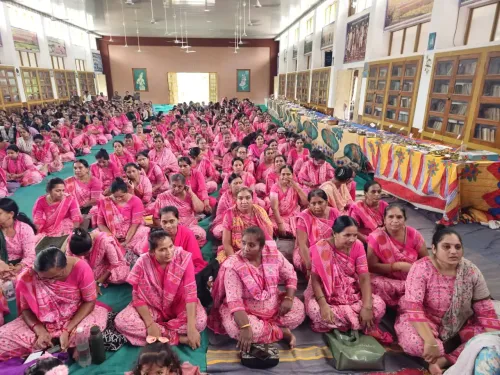
The ninth edition of Rashtriya Poshan Maah (National Nutrition Month) was launched on Wednesday at the Rudraksh International Cooperation and Convention Centre in Varanasi, Uttar Pradesh, marking the beginning of a month-long campaign to mobilise communities around nutrition, health, and caregiving for pregnant women, lactating mothers, children, and adolescents across India. The annual observance, held every September, enters its ninth year with a sharper focus on grassroots accountability and early childhood development.
Central Theme and Priorities
This year's campaign is anchored by the theme 'Hamari Anganwadi Hamari Jimmedari' — a call for every citizen to take shared ownership of Anganwadi centres, which the government describes as the world's largest childcare network. The theme seeks to place these centres at the heart of community-led action for nutrition, care, and early childhood development.
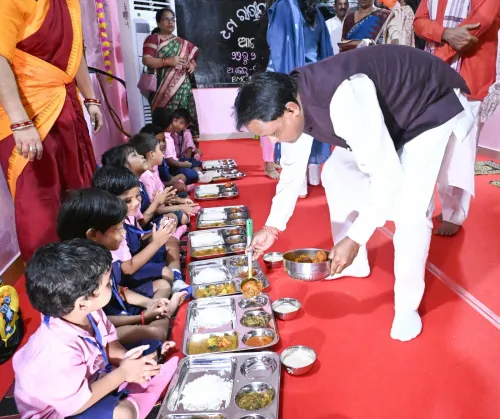
The 2026 campaign is structured around five mutually reinforcing priorities: promoting dietary diversity with adequate protein intake and local foods; ensuring beneficiaries receive fresh, nutritious hot cooked meals under the Supplementary Nutrition Programme (SNP); strengthening community ownership through newly constituted Anganwadi Management Committees and SNP Menu Boards; promoting cognitive development alongside nutrition as pillars of Early Childhood Care and Education (ECCE); and encouraging regular attendance at Anganwadi centres.
PMMVY Turns 10: Maternal Nutrition in Focus
Rashtriya Poshan Maah 2026 also commemorates 10 years of the Pradhan Mantri Matru Vandana Yojana (PMMVY), India's flagship maternity benefit programme. The milestone will be used to highlight PMMVY's role in supporting maternal nutrition, promoting health-seeking behaviour, and providing income support during pregnancy. Organisers are also reinforcing the significance of the first 1,000 days of life — from conception to age two — as the most critical window for healthy growth and cognitive development.
Last year's edition was launched by Prime Minister Narendra Modi on 17 September from Dhar, Madhya Pradesh, alongside the 'Swasth Nari, Sashakt Parivar Abhiyaan (SNSPA)'.
Scale of India's Nutrition Infrastructure
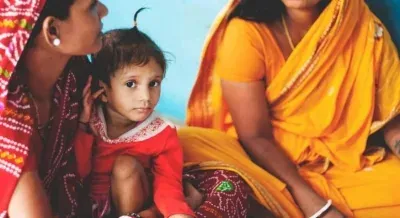
According to data available as of 31 July this year, India's nutrition delivery network comprises nearly 13.99 lakh Anganwadi centres staffed by 13.30 lakh workers, collectively reaching approximately 8.94 crore beneficiaries. Of these, children aged between six months and six years account for more than 7.2 crore beneficiaries, underscoring the campaign's emphasis on early childhood nutrition. Pregnant women and lactating mothers together number nearly 1.1 crore, reflecting sustained attention to maternal health.
The Poshan Tracker, launched on 1 March 2021, functions as the primary governance tool for near real-time monitoring of Anganwadi service delivery across this vast network.
Policy Architecture: From Poshan Abhiyaan to Mission Poshan 2.0
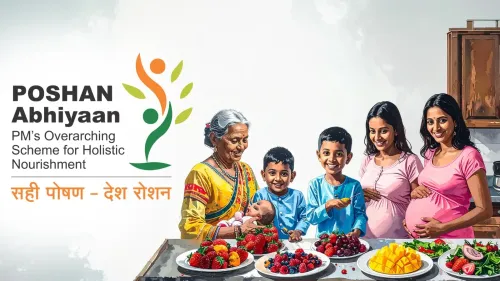
Malnutrition remains one of India's most significant public health challenges, affecting the health, growth, learning, and productivity of women and children across the life cycle. The Union government launched POSHAN Abhiyaan in March 2018 as a multi-ministerial convergence mission. In the Union Budget 2021–22, these interventions were integrated under Mission Poshan 2.0 — India's unified National Nutrition Mission anchored by the Ministry of Women and Child Development.
Mission Poshan 2.0 consolidates three core frameworks: technology-driven monitoring and Jan Andolan (mass mobilisation) under Poshan Abhiyaan; supplementary nutrition and early childhood care under Anganwadi Services and the Integrated Child Development Services (ICDS); and nutritional support for out-of-school adolescent girls under a dedicated scheme. The month-long campaign is expected to drive measurable behaviour change at the community level through these converged mechanisms.
Point of View
Rashtriya Poshan Maah risks becoming an annual ritual rather than a structural intervention — the real question is whether the 'Hamari Jimmedari' framing translates into measurable community accountability or remains aspirational branding. India's malnutrition burden is well-documented, yet the Poshan Tracker's near real-time data has not yet produced a visible inflection in outcomes at scale. Commemorating PMMVY's tenth year is an opportunity to audit what a decade of maternity benefit delivery has actually shifted in maternal nutrition indicators — a conversation the campaign's messaging has so far sidestepped. The consolidation under Mission Poshan 2.0 was structurally sound; execution fidelity at the last mile, particularly in remote Anganwadi centres, remains the unresolved variable.
NationPress
24 Oct 2026
Frequently Asked Questions
What is Rashtriya Poshan Maah and when is it observed?
Rashtriya Poshan Maah, or National Nutrition Month, is a month-long campaign observed every September by the Indian government to mobilise communities around nutrition, health, and caregiving. The 2026 edition is the ninth such campaign and was launched on Wednesday in Varanasi, Uttar Pradesh.
What is the theme of Rashtriya Poshan Maah 2026?
The central theme of the 2026 campaign is 'Hamari Anganwadi Hamari Jimmedari', which calls on every citizen to take shared ownership and accountability for Anganwadi centres. It aims to place these centres at the heart of community-led action for nutrition and early childhood development.
What is the significance of PMMVY being highlighted this year?
Rashtriya Poshan Maah 2026 marks 10 years of the Pradhan Mantri Matru Vandana Yojana (PMMVY), India's flagship maternity benefit programme. The anniversary is being used to spotlight the programme's role in supporting maternal nutrition, income support during pregnancy, and promoting health-seeking behaviour in the critical first 1,000 days of life.
How large is India's Anganwadi network as of 2026?
As of 31 July 2026, India's Anganwadi network comprises nearly 13.99 lakh centres staffed by 13.30 lakh workers, reaching approximately 8.94 crore beneficiaries. Children aged six months to six years account for more than 7.2 crore of those beneficiaries.
What is Mission Poshan 2.0 and how does it relate to the campaign?
Mission Poshan 2.0 is India's unified National Nutrition Mission, introduced in the Union Budget 2021–22, anchored by the Ministry of Women and Child Development. It consolidates Poshan Abhiyaan, Anganwadi Services under ICDS, and the scheme for adolescent girls into one framework, providing the policy backbone for campaigns like Rashtriya Poshan Maah.