Strait of Hormuz: 2 South Korean vessels exit after US-Iran ceasefire deal
Synopsis
Two South Korean ships have cleared the Strait of Hormuz after the US-Iran ceasefire reopened the waterway — but 22 South Korean-linked vessels and 135 sailors remain in the Persian Gulf. Seoul is already moving to convert crisis-era goodwill into reconstruction contracts across the Middle East.
Key Takeaways
Two South Korean -operated vessels exited the Strait of Hormuz on 22 June following the US-Iran ceasefire agreement.
22 South Korean -linked ships remain in the strait; 135 South Korean sailors are still in the Persian Gulf .
Under the ceasefire MOU , Iran agreed to allow vessel transit through the strait without fees for 60 days .
The US-Iran agreement also extends the ceasefire and sets up negotiations on nuclear and other issues for a final peace deal.
Foreign Minister Cho Hyun announced a dedicated task force to position South Korean firms for Middle East post-conflict reconstruction.
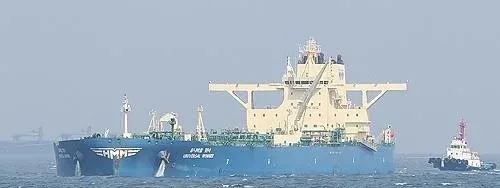
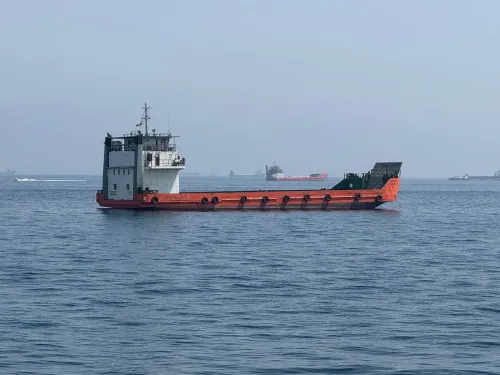
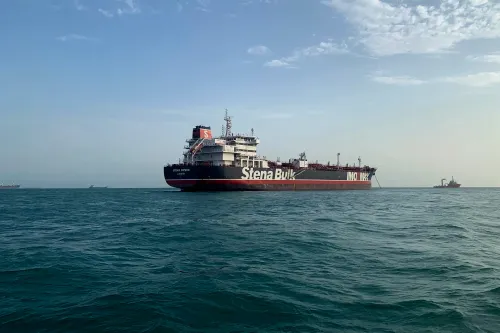
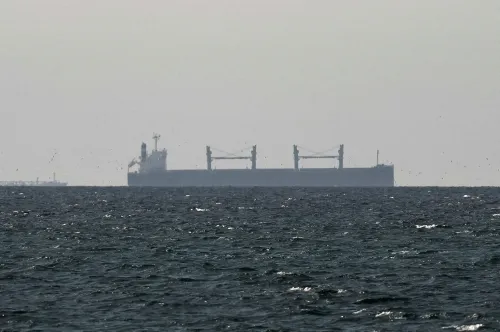
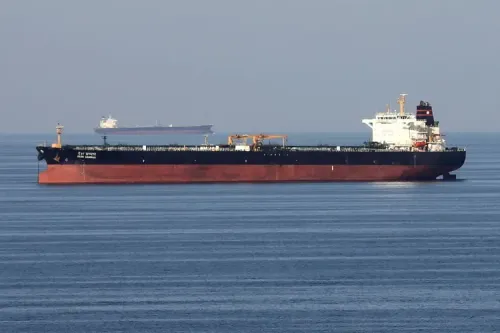
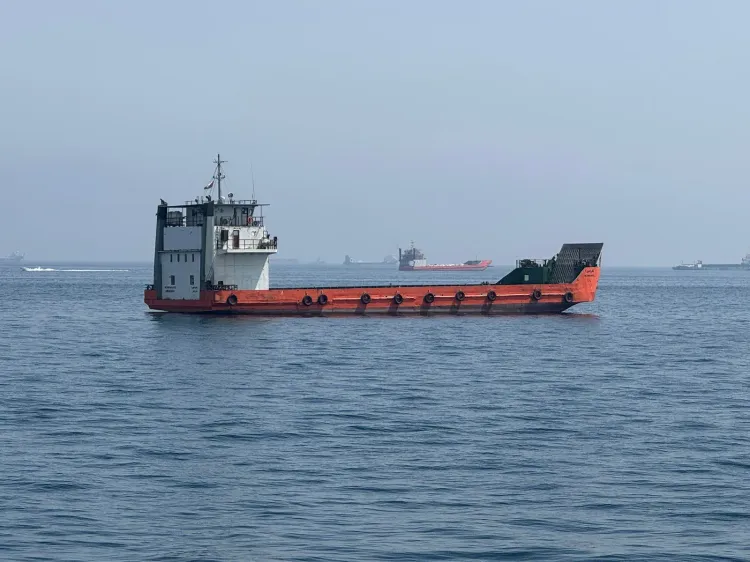
Two South Korean-operated vessels have cleared the Strait of Hormuz following last week's ceasefire agreement between the United States and Iran that reopened the strategically critical waterway, South Korea's Ministry of Oceans and Fisheries confirmed on Monday, 22 June. The ships are sailing normally after transiting the strait, though they have yet to fully exit the high-risk segment of the passage.
Current Status of South Korean Ships
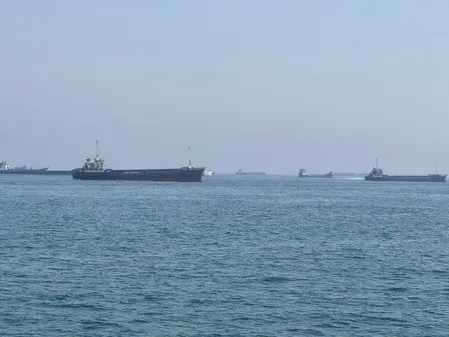
The ministry noted that no South Korean crew members are aboard either vessel and that neither ship is destined for South Korea. Officials declined to share further details, citing safety concerns. With the departure of the two ships, the number of South Korean-linked vessels still within the strait has dropped to 22.
Separately, 135 South Korean sailors remain in the Persian Gulf — 102 aboard South Korean-operated ships and 33 serving on foreign-flagged vessels, according to the ministry.
What the US-Iran Ceasefire Agreement Allows
Under the memorandum of understanding (MOU) signed between Washington and Tehran last week, Iran has agreed to permit vessels to transit the Strait of Hormuz without any fees for 60 days from the signing of the deal. The agreement extends an existing ceasefire and sets the stage for negotiations on nuclear and broader security issues aimed at reaching a final peace settlement.
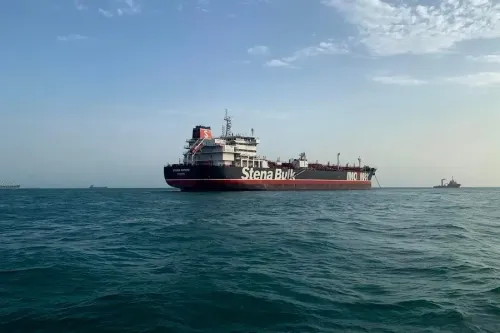
This comes amid a months-long conflict between the two nations that had effectively choked one of the world's most critical oil and shipping chokepoints. Roughly 20% of global oil trade passes through the Strait of Hormuz, making any disruption there a flashpoint for international energy markets and maritime commerce.
Seoul's Push for Post-Conflict Reconstruction Role
Foreign Minister Cho Hyun announced on Monday that the Seoul government has established a dedicated task force to identify country-specific cooperation needs across the Middle East, with a focus on supporting South Korean companies in post-conflict reconstruction efforts.
'To facilitate South Korean companies' participation in reconstruction efforts in the Middle East and to develop broader economic cooperation with the region, the ministry established a dedicated task force and has actively identified country-specific cooperation needs through overseas missions,' Cho said at a press briefing.
He added: 'Our responses to the crisis have reinforced the perception among Middle Eastern countries that South Korea is a reliable partner that stands by them in difficult times.'
What Happens Next
The 60-day fee-free transit window opens a narrow but significant opportunity for shipping firms to normalise operations through the strait. South Korean authorities are expected to continue monitoring the remaining 22 vessels and 135 sailors in the region as diplomatic talks between the US and Iran proceed. Seoul's reconstruction task force signals an early move to convert crisis-era goodwill into long-term economic partnerships across the Middle East.
Point of View
Even after a ceasefire. The 60-day fee-free window is diplomatically significant but operationally thin — it offers no guarantee of safe passage beyond that period, and no final peace deal yet exists. Seoul's pivot to reconstruction contracts is strategically astute, but converting task-force goodwill into signed agreements will depend entirely on whether the US-Iran nuclear talks hold. The real test for the Strait of Hormuz is not the next 60 days — it is what happens when the clock runs out.
NationPress
22 Jun 2026
Frequently Asked Questions
Why did South Korean vessels exit the Strait of Hormuz now?
Two South Korean-operated vessels exited the Strait of Hormuz on 22 June following a ceasefire agreement between the United States and Iran that reopened the waterway. Under the deal, Iran agreed to allow ships to transit the strait without fees for 60 days.
How many South Korean ships and sailors remain in the Persian Gulf?
As of 22 June, 22 South Korean-linked vessels remain in the Strait of Hormuz, while 135 South Korean sailors are still in the Persian Gulf — 102 aboard South Korean-operated ships and 33 on foreign-flagged vessels.
What does the US-Iran ceasefire MOU cover?
The memorandum of understanding signed between Washington and Tehran extends the ceasefire for 60 days, during which negotiations will take place on nuclear and other issues to reach a final peace agreement. It also commits Iran to allowing vessel transit through the Strait of Hormuz without fees for that period.
What is South Korea's reconstruction task force in the Middle East?
South Korea's Foreign Ministry has set up a dedicated task force to identify country-specific cooperation needs across the Middle East, aiming to help South Korean companies participate in post-conflict reconstruction efforts and expand broader economic ties with the region.
Why is the Strait of Hormuz strategically important?
The Strait of Hormuz is one of the world's most critical shipping chokepoints, through which roughly 20% of global oil trade passes. Any disruption to navigation there has immediate consequences for international energy markets and global maritime commerce.