2,500 seafarers evacuated from Strait of Hormuz since June 23: IMO
Synopsis
The IMO evacuated nearly 2,500 seafarers from 115 vessels in just three-and-a-half days — then had to halt the operation after a vessel was attacked in the Gulf of Oman. With Iran insisting any valid corridor must be built around its own rules, and the US backing a separate southern route, the Strait of Hormuz has become a flashpoint where maritime safety and geopolitical rivalry are colliding in real time.
Key Takeaways
Nearly 2,500 seafarers aboard 115 vessels were evacuated from the Strait of Hormuz in the first three-and-a-half days of the IMO operation starting 23 June .
The IMO suspended the evacuation on Thursday after a vessel was attacked in the Gulf of Oman .
Two evacuation corridors were in use — a northern route backed by Iran and a southern route supported by Oman and the United States .
Iran's Deputy Foreign Minister Kazem Gharibabadi warned that safe passage is not guaranteed under arrangements made outside Iran's coordination.
The IMO has said it will only resume once it receives sufficient security assurances for commercial vessels.
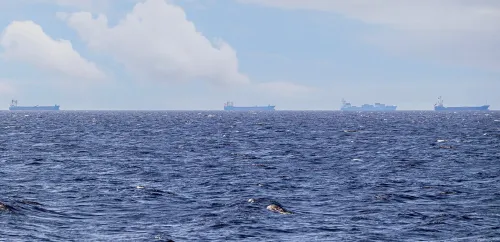
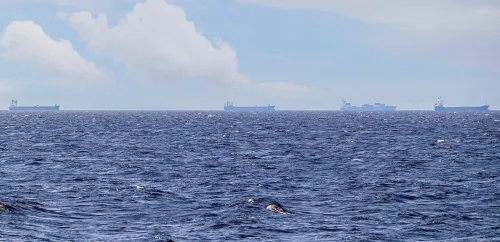
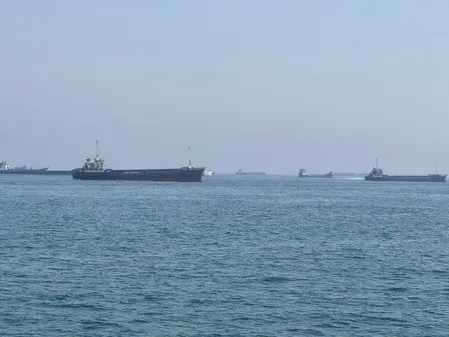
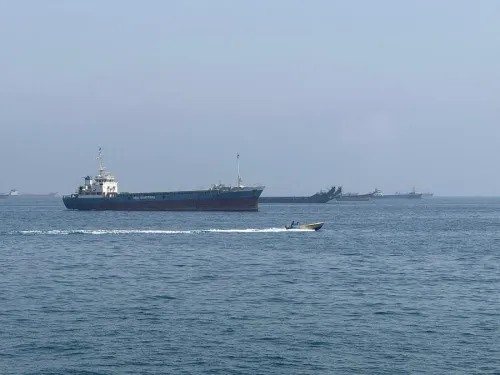
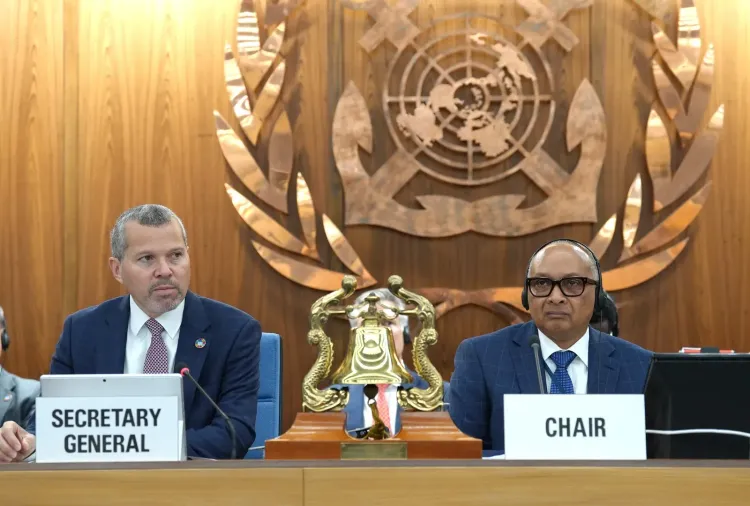
Nearly 2,500 seafarers aboard 115 vessels have been evacuated from the Strait of Hormuz since the International Maritime Organisation (IMO) launched its evacuation operation on 23 June, IMO Secretary-General Arsenio Dominguez said on Friday, 27 June. The preliminary figures cover the first three-and-a-half days of the operation, Dominguez told an online press conference.
How the Evacuation Was Structured
The IMO announced the evacuation framework on Tuesday, recommending two routes for stranded vessels — a northern route communicated by Iran and a southern route communicated by Oman. The dual-corridor arrangement was intended to offer shipowners and operators a choice based on their vessel's position and risk profile.
Operation Suspended After Gulf of Oman Attack
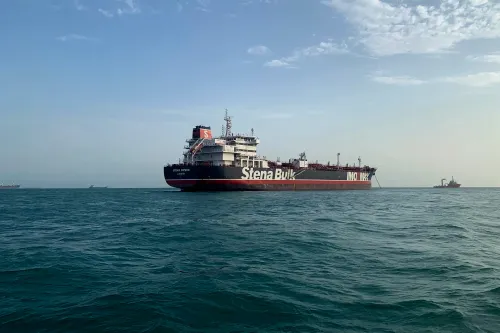
On Thursday, the UN maritime body suspended the evacuation after a vessel was attacked in the Gulf of Oman. The IMO said it needed to further assess whether the security guarantees underpinning the operation remained in place before resuming. Despite the suspension, shipping data showed that some vessels continued to transit the Strait of Hormuz independently.
Dominguez said Iran was still maintaining operations on the northern route, while the United States continued to assist shipping on the southern route. “What is important for the vessels is to carry out the risk assessment before they make any final decision,” he said, urging shipowners and operators to weigh the risks carefully before proceeding.
Iran's Position on Transit Arrangements
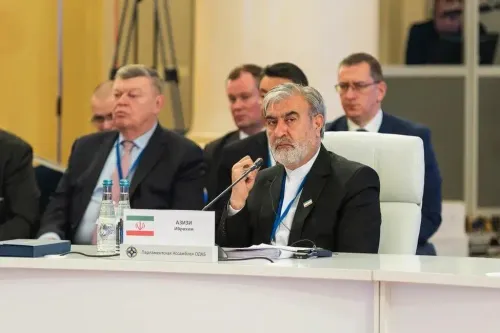
Iran's Deputy Foreign Minister Kazem Gharibabadi on Friday underlined Tehran's stance on maritime navigation through the strait. In a post on X, Gharibabadi wrote: “Safe passage through the Strait of Hormuz under vague arrangements, parallel routes, or decision-making outside Iran's considerations as the coastal state is not guaranteed.”
He added that any valid framework “must be based on coordination with Iran and the provisions of Paragraph 5 of the Islamabad memorandum of understanding,” warning that failure to comply would result in “the suspension of the designated parallel route.” The statement signals that Tehran regards unilateral or externally-designed evacuation corridors as legally and diplomatically unacceptable.
What Happens Next
The IMO has said it will resume the evacuation operation only once it has “sufficient assurances” that commercial vessels will not come under attack. The standoff places thousands of crew members — and the global shipping lanes that carry roughly 20% of the world's oil — in a precarious position. The outcome of diplomatic contacts between the IMO, Iran, Oman, and the United States in the coming days will be critical to whether the operation can safely restart.
Point of View
500 seafarers in under four days is a logistical achievement — but the suspension after a single attack exposes how thin the security guarantees actually were. Iran's public statement by Deputy Foreign Minister Gharibabadi is not diplomatic noise; it is a direct assertion of coastal-state authority that the IMO's dual-corridor framework appears to have underweighted. The US-backed southern route and Iran's northern route operating in parallel, without a unified legal framework, creates exactly the ambiguity Tehran is now exploiting. Until the Islamabad MOU's Paragraph 5 is either incorporated or formally superseded, any resumed operation will rest on the same fragile foundation.
NationPress
27 Jun 2026
Frequently Asked Questions
How many seafarers have been evacuated from the Strait of Hormuz?
Nearly 2,500 seafarers aboard 115 vessels were evacuated from the Strait of Hormuz in the first three-and-a-half days of the IMO operation, which began on 23 June 2025. The figures were described as preliminary by IMO Secretary-General Arsenio Dominguez.
Why did the IMO suspend the Strait of Hormuz evacuation operation?
The IMO suspended the evacuation on Thursday after a vessel was attacked in the Gulf of Oman. The organisation said it needed to reassess whether the security guarantees underpinning the operation were still in place before it could safely resume.
What routes were used for the Hormuz evacuation?
The IMO recommended two corridors: a northern route communicated by Iran and a southern route communicated by Oman. Even after the suspension, Iran reportedly continued to maintain the northern route while the United States assisted shipping on the southern route.
What is Iran's position on transit through the Strait of Hormuz?
Iran's Deputy Foreign Minister Kazem Gharibabadi stated on Friday that safe passage under 'vague arrangements' or routes decided outside Iran's input as the coastal state is not guaranteed. He said any valid framework must be based on coordination with Iran and the provisions of Paragraph 5 of the Islamabad memorandum of understanding.
When will the IMO resume the evacuation operation?
The IMO has said it will resume only once it has sufficient assurances that commercial vessels will not come under attack. No specific timeline has been announced, and the outcome depends on ongoing diplomatic contacts between the IMO, Iran, Oman, and the United States.