Afghan deportees from Pakistan: 'Everything we had was left behind'
Synopsis
More than 127,000 Afghans have been pushed across the Pakistan border since 10 July 2026 — at least 14,186 of them reportedly by force. Deportees describe being detained for days with their children, losing cars, livestock, and businesses, while UN experts invoke non-refoulement law to demand Pakistan halt the removals. With Afghan women students also facing expulsion from Pakistani medical colleges, the humanitarian crisis is deepening fast.
Key Takeaways
Afghan deportees including Sanaullah , who had lived in Pakistan for nearly 40 years , describe being detained for 3–4 days before forced removal with no time to recover assets.
Approximately 127,344 Afghans crossed into Afghanistan between 10 July and 27 August 2026 ; at least 14,186 were reportedly forcibly deported.
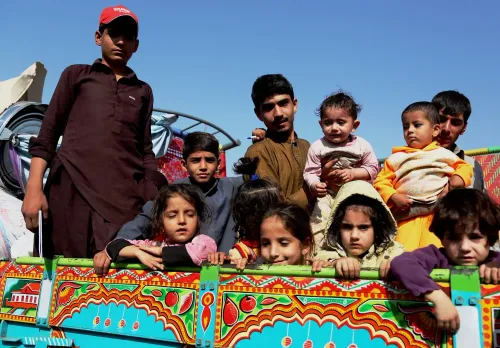
Around 38,388 of those crossing the border were women and children, raising serious protection concerns.
UN experts on 18 September 2026 warned Pakistan against forced deportations, citing the international principle of non-refoulement .
At least 100 Afghan students in Pakistan — including 20–40 women — face expulsion from medical and dental institutions under a directive from Pakistan's Ministry of Interior dated 28 June 2026 .
Unaccompanied Afghan children are among those being returned to a country the UN says lacks adequate child protection mechanisms.
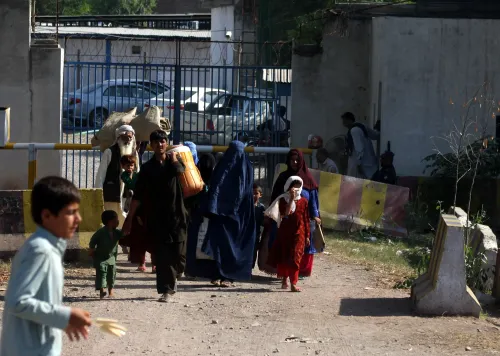
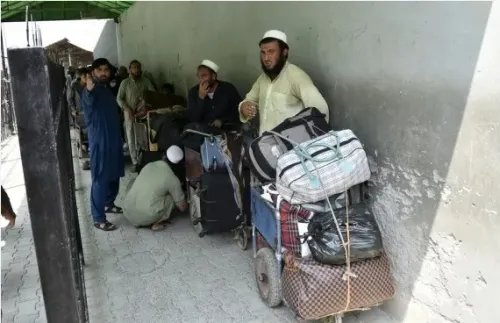
Afghan nationals deported from Pakistan have described harrowing accounts of forced removal, saying they were given little to no time to retrieve belongings, vehicles, livestock, or business assets before being pushed across the border, according to reports from Kabul-based outlet Amu TV.
Families Torn From Decades of Settled Life
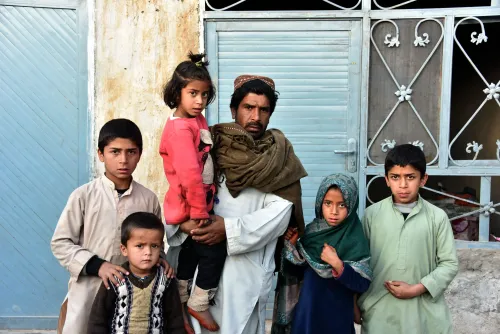
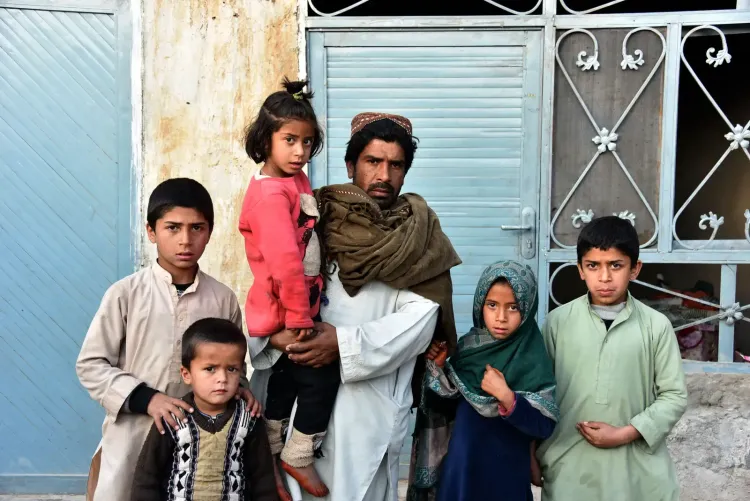
Sanaullah, who was born in Pakistan and lived there for nearly 40 years, was recently deported to Afghanistan along with his family. Originally from Kunar province, he said he spent three to four days in detention in Pakistan with his children before being forcibly returned.
'Everything we had was left behind. Our cars were left there, and the work we were doing was left behind,' Sanaullah was quoted as saying by Amu TV. 'They suddenly arrested us and put us in prison. When we came back, everything we had remained there. They kept us there for three or four days, and my children were with me,' he added.
Another returnee, Juma Gul, said his family managed to bring only bedding with them, leaving behind a tractor, livestock, and all household belongings in Pakistan. A third returnee, Gul Agha, said his financial assets remained unresolved and urged Pakistan to allow deportees to legally re-enter to settle their affairs. Returnee Ali Mohammad called on the Taliban administration to help displaced families rebuild their lives inside Afghanistan.
UN Experts Sound the Alarm
On 18 September 2026, United Nations experts formally warned Pakistan against forcibly deporting Afghan refugees, urging authorities to individually assess those at risk of persecution, torture, or other serious human rights violations before any removal order is carried out.
'We are gravely concerned over Pakistan's forced return of Afghans. The immediate priority is the establishment of a transparent and accessible procedure through which Afghans at risk can come forward, be individually assessed, and obtain protection from removal while that assessment is carried out,' the experts said in a statement.
They further cautioned that without such procedures, 'vulnerable individuals may remain in hiding, unable to seek protection for fear of arrest, detention or removal.'
Students and Women Among Those Affected
The UN experts also flagged a directive from Pakistani authorities instructing all medical and dental institutions in the country to remove Afghan students, warning that at least 100 Afghan students currently in Pakistan — including 20 to 40 women — would be affected. For female Afghan students, the experts noted, expulsion would effectively end any prospect of qualifying as doctors or dentists, given the Taliban's ban on higher education and medical training for women in Afghanistan.
Scale of the Deportations
The mass removals stem from a directive issued by Pakistan's Ministry of Interior on 28 June 2026, which instructed provincial authorities to detain and deport Afghan nationals without valid documentation after 10 July 2026. According to information cited by the UN experts, approximately 127,344 Afghans crossed back into Afghanistan between 10 July and 27 August 2026. Of these, at least 14,186 were reportedly forcibly removed, while around 38,388 of all those crossing the border were women and children.
The experts raised particular alarm over unaccompanied Afghan children being returned to a country where, they said, 'adequate child-sensitive reception, assistance and protection mechanisms are absent.' They also invoked the international legal principle of non-refoulement — the obligation not to return any individual to a situation where they face a real risk of persecution, torture, arbitrary detention, or other serious and irreparable harm — in calling on Pakistan to halt further removals, especially of women and unaccompanied children.
What Comes Next
The UN experts have called on Pakistani authorities for greater clarity on the criteria and procedures used to identify vulnerable Afghan refugees before deportation decisions are made. With over 127,000 Afghans already returned in less than two months and pressure building from international human rights bodies, the humanitarian fallout from Pakistan's crackdown is likely to intensify in the weeks ahead.
Point of View
And the human cost is now undeniable. What is striking is the gap between Pakistan's framing of the policy as a documentation crackdown and the lived reality described by people like Sanaullah, who was born in Pakistan and lived there four decades. The UN's invocation of non-refoulement is not merely procedural; it signals that international bodies view the deportations as carrying a genuine risk of persecution — particularly for women, given the Taliban's education bans. The expulsion of Afghan medical students is perhaps the sharpest symbol of the crisis: Pakistan is effectively closing the only door through which Afghan women could train as doctors, with no alternative in sight inside Afghanistan.
NationPress
27 Sept 2026
Frequently Asked Questions
Why is Pakistan deporting Afghan nationals in 2026?
Pakistan's Ministry of Interior issued a directive on 28 June 2026 instructing provincial authorities to detain and deport Afghan nationals without valid documentation after 10 July 2026. The government has framed the crackdown as a documentation and border enforcement measure, though critics and UN experts argue the process lacks individual assessment safeguards required under international law.
How many Afghans have been deported from Pakistan so far?
According to information cited by UN human rights experts, approximately 127,344 Afghans crossed into Afghanistan between 10 July and 27 August 2026, of whom at least 14,186 were reportedly forcibly removed. Around 38,388 of all returnees during this period were women and children.
What is non-refoulement and why are UN experts citing it?
Non-refoulement is a foundational principle of international refugee law that prohibits returning any individual to a place where they face a real risk of persecution, torture, arbitrary detention, or other serious harm. UN experts invoked it on 18 September 2026 to demand that Pakistan halt forced removals, especially of women and unaccompanied children, until individual protection assessments are carried out.
How are Afghan students in Pakistan affected?
Pakistani authorities have reportedly directed all medical and dental institutions to remove Afghan students. At least 100 Afghan students currently in Pakistan — including 20 to 40 women — are expected to be affected. UN experts warned that for female Afghan students in particular, expulsion ends any prospect of becoming doctors or dentists because the Taliban bans women from higher education and medical training inside Afghanistan.
What are deported Afghans facing upon return?
Returnees describe arriving in Afghanistan with virtually no assets — cars, livestock, business equipment, and savings were left behind in Pakistan after detention lasting several days. Their immediate concerns, as reported, centre on finding shelter and employment. One returnee, Ali Mohammad, has urged the Taliban administration to support families in rebuilding their lives.