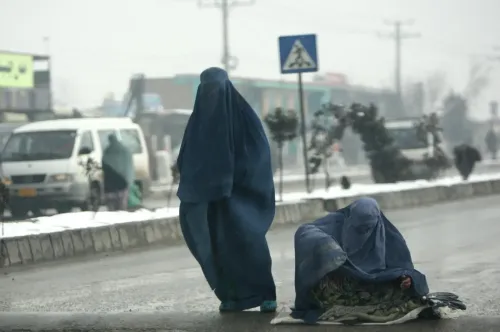
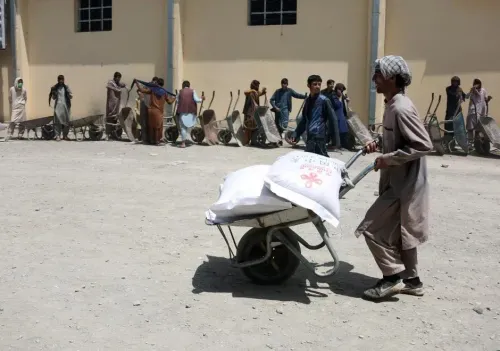
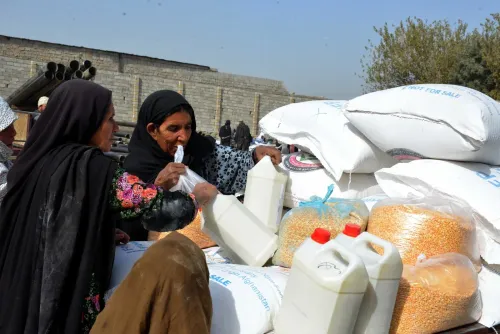
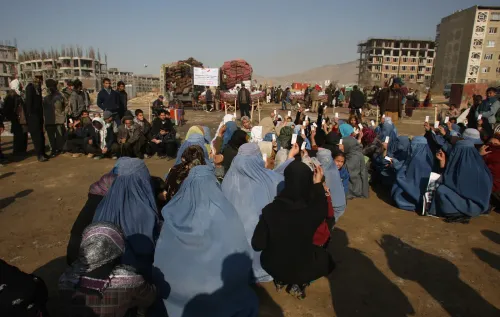
UN warns Afghanistan aid cuts shut 193 women's support centres
Synopsis
Over 193 support centres for violence survivors have shut in Afghanistan in 2026 as aid dries up, affecting more than one million women and girls. With half of women's groups warning they may stop by April, about 427,000 more could lose access to help, while the Taliban's dress code arrests continue.
Key Takeaways
UN Women says over 193 centres for violence survivors closed in Afghanistan in 2026 due to funding shortages.
The closures affect over one million Afghan women and girls.
Nearly three-quarters of 74 women's organisations faced funding cuts in 2025 , and half may stop operations by April .
Around 427,000 women risk losing access to essential services.
UNAMA recorded at least 52 women and one girl arrested or detained in Herat and Kabul from July to September over alleged dress code violations.
Afghan women are nearly four times less likely than men to access formal justice.
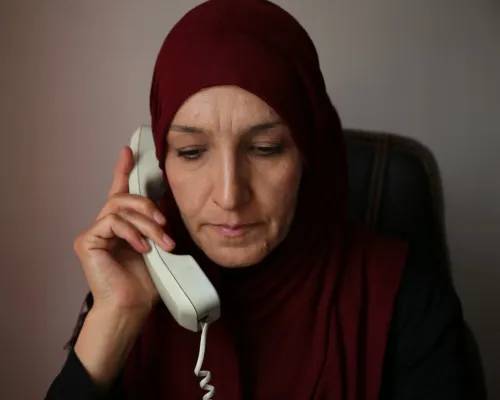
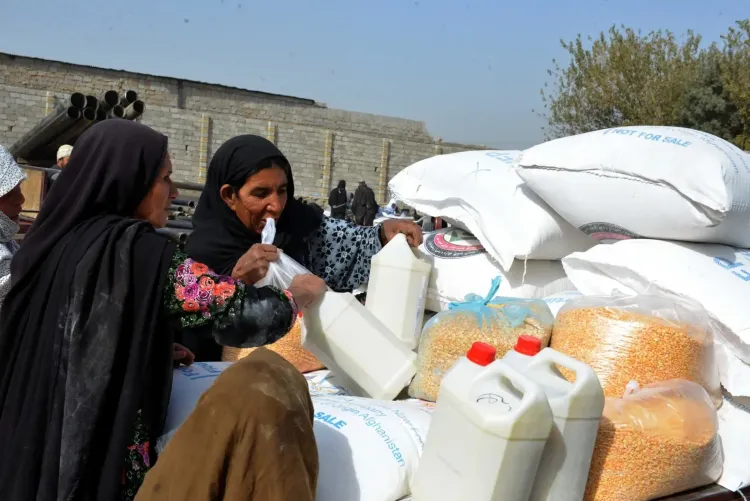
Cuts to humanitarian aid in Afghanistan are forcing essential support services for women and girls to close, the United Nations has warned. According to UN Women, more than 193 centres supporting survivors of violence have shut in 2026 because of funding shortages, affecting over one million Afghan women and girls. The warning was reported by local media in Kabul on Thursday, 26 November 2026.
Key Developments
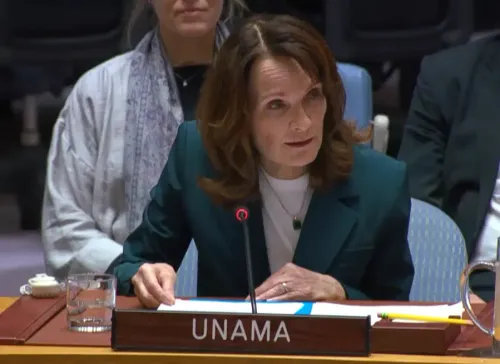
Susan Ferguson, UN Women's Special Representative in Afghanistan, said several pressures are compounding the challenges facing women and girls across the country. She cited economic problems, recurring humanitarian crises, environmental shocks and restrictions on women's rights, according to Afghanistan-based Ariana News.
UN Women data shows that nearly three-quarters of 74 women's organisations in Afghanistan faced funding cuts in 2025. Half of these groups expected to suspend or completely stop operations by April next year.
If those closures go ahead, around 427,000 women could be at immediate risk of losing access to essential support services, the agency said.
Barriers to Justice
The UN also reported that women in Afghanistan are nearly four times less likely than men to access formal justice systems. This further limits their ability to seek action in cases of abuse, Ariana News reported.
Ferguson urged the international community to increase funding for women-led organisations. She also called for support for efforts to protect Afghan women and girls from violence.
UNAMA's Concerns Over Arrests
The latest warning comes a month after the United Nations Assistance Mission in Afghanistan (UNAMA) said it was “gravely concerned” about arrests, detentions and threats of arrest targeting women and girls. It attributed these actions to the Taliban authorities in various parts of the country.
According to UNAMA, at least 52 women and one girl were arrested or detained in Herat and Kabul between July and September. Other women faced threats of arrest during the same period. The mission said the real number may be higher, because protection concerns and stigma lead to under-reporting.
UNAMA linked the incidents to alleged violations of the Taliban's dress code. Women were reportedly arrested for:
- not wearing a chador
- having visible hair
- wearing colourful scarves or makeup
- being in public without a mahram, a close male guardian such as a brother, husband or father
The women were released after spending hours in detention, according to a UNAMA statement.
“UNAMA is also alarmed by incidents involving verbal abuse, beatings and threats against women, including female shopkeepers. UNAMA reiterates that these acts violate women and girls' rights to freedom of movement, expression and autonomy. Arrests and detentions also expose women and girls to severe social stigma and further marginalisation,” the statement read.
“UNAMA urges the de facto authorities to cease discriminatory enforcement practices targeting women and girls, ensure respect for the human rights and dignity of all Afghans, and uphold Afghanistan's obligations under international human rights law,” it added.
Context: Four Years of Restrictions
The Taliban seized power in August 2021. Since then, it has imposed sweeping restrictions on women and girls covering education, employment, movement and public life.
Girls are barred from attending school beyond Class 6, and women are prohibited from attending universities. Notably, the shrinking aid pipeline is now weakening the few support systems that remained available to them.
With half of women's organisations warning they may halt operations by April, the coming months will show whether donors respond to the UN's call before more services close.
Point of View
Yet the funding cuts are dismantling the last services that reach them. This contradiction rarely makes headlines. When survivors are four times less likely than men to reach formal justice, women-led shelters are not optional add-ons but the only justice system many have. For India, which has kept a calibrated engagement with Kabul, the UN data is a reminder that any outreach should include a clear stake in Afghan women's welfare.
NationPress
26 Nov 2026
Frequently Asked Questions
Why are support centres for women closing in Afghanistan?
They are closing because of cuts to humanitarian funding, according to UN Women. More than 193 centres supporting survivors of violence shut in 2026 for this reason.
How many Afghan women are affected by the aid cuts?
The closures so far affect over one million women and girls, according to UN Women. Another 427,000 women could be at immediate risk if more women's organisations shut by April next year.
What did UNAMA say about Taliban arrests of women?
UNAMA said it was gravely concerned after at least 52 women and one girl were arrested or detained in Herat and Kabul between July and September. The arrests were linked to alleged violations of the Taliban's dress code.
What restrictions has the Taliban imposed on women since 2021?
Since taking power in August 2021, the Taliban has restricted women's education, employment, movement and public life. Girls are barred from school beyond Class 6, and women cannot attend universities.
What has the UN asked the international community to do?
UN Women's Special Representative Susan Ferguson urged donors to increase funding for women-led organisations. She also called for support for efforts to protect Afghan women and girls from violence.