Air Force One Lands in China in Major US Diplomatic Visit
Synopsis
Air Force One landed in China on November 18, 2026, as the White House released behind-the-scenes footage of the arrival. The visit continues a decades-long US diplomatic tradition dating to Nixon's 1972 opening, aimed at managing strategic competition between the world's two largest economies.
Key Takeaways
Air Force One touched down in China on November 18, 2026 , marking a major US presidential diplomatic visit.
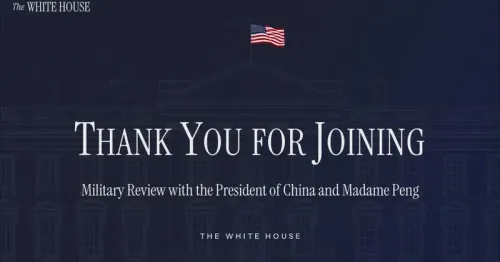
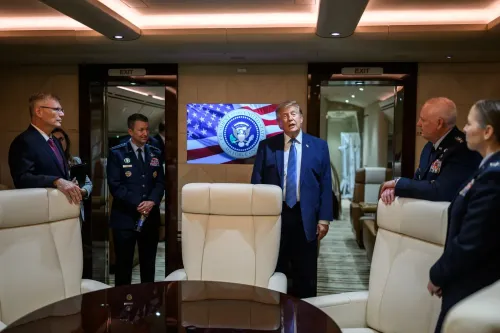
The White House released behind-the-scenes footage of the arrival, underscoring the symbolic weight of the trip.
US presidential visits to China date back to President Nixon's 1972 normalisation trip , the foundational moment in modern bilateral ties.
These visits typically address compounding frictions including trade, technology, Taiwan, and Indo-Pacific security .
Analysts across Washington, Beijing, and New Delhi are watching for any joint communiqué or bilateral framework to emerge from the summit.
For India and the broader Indo-Pacific, the contours of any US-China understanding carry direct regional security and trade implications .
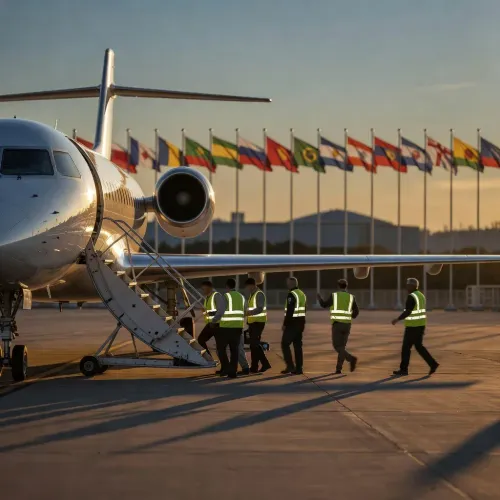
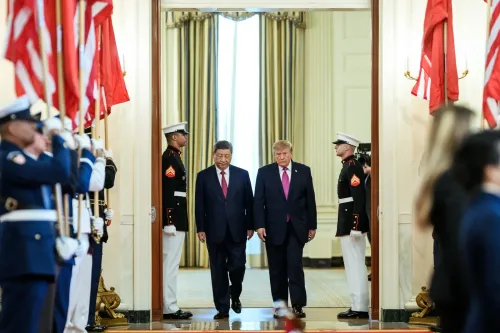
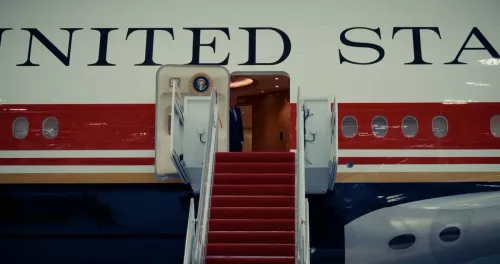
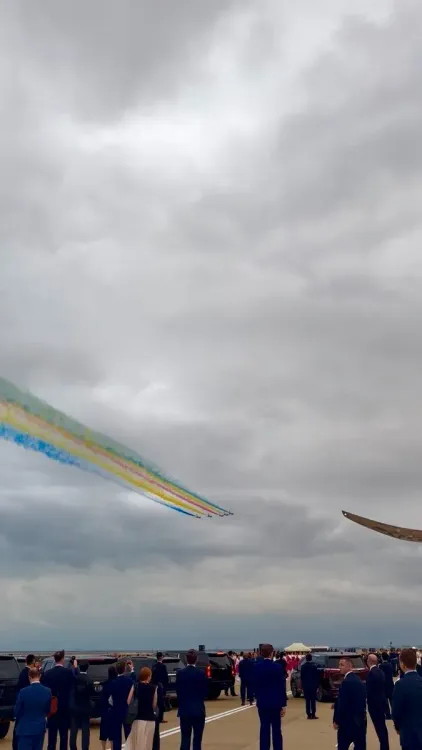
Air Force One has touched down in China, marking one of the most consequential diplomatic moments in US-China relations in recent years. The White House shared behind-the-scenes footage of the arrival on Wednesday, November 18, 2026, signalling the high symbolic weight the administration is placing on this visit.
A Landing Freighted with History
Every time Air Force One descends onto Chinese soil, it carries the weight of more than half a century of carefully managed rivalry and engagement. The tradition stretches back to President Richard Nixon's landmark 1972 visit — the moment that cracked open the door to diplomatic normalisation between Washington and Beijing. That single trip rewired global geopolitics, and every presidential visit since has operated in its long shadow.
The release of behind-the-scenes footage by the White House is itself a deliberate act of stagecraft — projecting confidence, openness, and the gravity of the moment to domestic and international audiences simultaneously.
Why This Trip Lands Hard in 2026
US-China relations in recent years have been defined by compounding friction: trade tariffs, technology export controls, tensions over Taiwan, and competing visions for the Indo-Pacific. Presidential visits to Beijing have historically served as pressure-release valves — moments to stabilise the relationship, establish guardrails, and sometimes produce joint communiqués that reset the diplomatic temperature.
The pattern is consistent: a bilateral summit of this scale typically follows multilateral forums — such as the G20 or APEC — where both nations have already been in the same room, allowing lower-stakes groundwork to be laid before the high-stakes bilateral.
What the World Is Watching For
The critical question now is what emerges from the meeting rooms. Analysts and policymakers across Washington, Beijing, New Delhi, and Brussels will be scanning for any joint statement, agreed framework, or even a carefully worded communiqué that signals where the two superpowers intend to draw — or redraw — their lines. For India in particular, the shape of any US-China understanding carries direct implications for regional security architecture and trade dynamics in South and Southeast Asia.
The camera footage of Air Force One on the tarmac is more than optics. It is the opening frame of a story whose final paragraph has not yet been written.
Point of View
Rivals, and domestic audiences alike. Coming amid sustained friction over trade and technology, this trip follows the established bilateral playbook of using high-level engagement to prevent competition from tipping into confrontation. For India, any US-China framework that emerges will recalibrate the diplomatic geometry of the Indo-Pacific, making New Delhi a quiet but intensely attentive observer. The White House's decision to release behind-the-scenes footage from the moment of landing suggests the administration wants to own the narrative of this visit from its very first frame.
NationPress
18 Nov 2026
Frequently Asked Questions
Why did the US President visit China in 2026?
The visit is part of a long-standing US diplomatic practice of high-level engagement with China to manage bilateral tensions over trade, technology, and regional security. Presidential visits to Beijing typically aim to stabilise relations and prevent strategic competition from escalating into direct confrontation.
What is Air Force One?
Air Force One is the official air traffic control call sign for any US Air Force aircraft carrying the President of the United States. It is most commonly associated with the specially configured Boeing aircraft that serves as the presidential state transport during international travel.
When did US presidential visits to China begin?
US presidential visits to China began with President Richard Nixon's historic trip in February 1972, which established the framework for diplomatic normalisation between Washington and Beijing and fundamentally reshaped Cold War geopolitics.
What is expected to come out of the US-China summit?
Analysts are watching for a joint communiqué, agreed framework, or bilateral statement addressing trade, technology export controls, Taiwan, and Indo-Pacific security arrangements. These documents typically set the diplomatic tone for months of subsequent engagement.
How does the US-China presidential visit affect India?
Any bilateral framework or understanding reached between Washington and Beijing carries direct implications for India's regional security environment and trade dynamics in South and Southeast Asia, making New Delhi a close and attentive observer of the summit's outcomes.