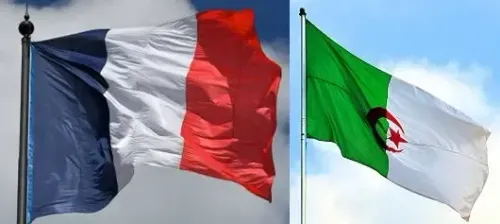
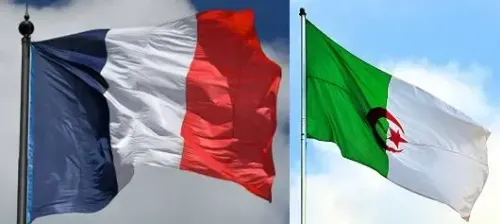
Algeria's anti-colonisation law takes effect, targets France's 1830–1962 rule
Synopsis
Algeria has turned a century-old historical grievance into enforceable law. With 31 imprescriptible crimes codified and prison terms for anyone who justifies French rule, Algiers has handed itself a legal weapon — not just a symbolic gesture — to press Paris for recognition of what it calls a state crime spanning 132 years.
Key Takeaways
Algeria's law criminalising French colonisation officially entered into force on 22 May 2025 after publication in the Official Gazette .
The legislation designates France's 1830–1962 colonial rule and its lasting effects as a 'state crime,' listing 31 imprescriptible crimes .
The final text reportedly dropped broad reparations demands and a formal apology clause, retaining provisions on French nuclear tests in the Sahara .
Anyone promoting or justifying French colonisation in Algeria now faces imprisonment and a fine .
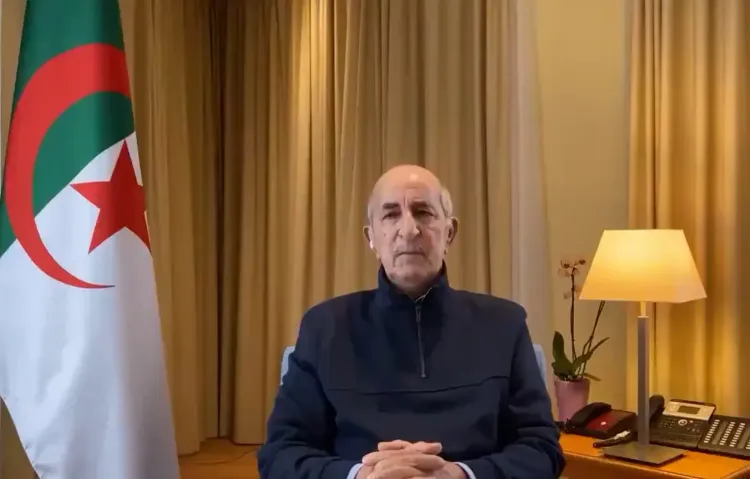
Algerian President Abdelmadjid Tebboune has sought France's recognition of colonial crimes rather than financial compensation.
French President Emmanuel Macron called colonisation a 'crime against humanity' in 2021 but has not issued a formal state apology.
Algeria's landmark law criminalising French colonisation officially entered into force on 22 May 2025 after its publication in the country's Official Gazette, according to local media reports. The legislation designates France's 132-year colonial rule of Algeria — from 1830 to 1962 — and its lingering effects as a 'state crime,' marking one of the most assertive legal moves by Algiers in its long-running dispute with Paris.
What the Law Says
The legislation enumerates 31 'imprescriptible' colonisation crimes, meaning they carry no statute of limitations. These include intentional homicide, deliberately directing military attacks against civilians, and the deployment of unconventional and internationally-prohibited weapons. Officials described the law as 'a step to preserve national memory and honour the sacrifices made during the colonial period,' according to reports.
The law also commits Algeria to pursuing all available legal and judicial avenues to secure France's 'official recognition' of its colonial past. Specific provisions address the legacy of French nuclear tests in the Sahara and demand the restitution of what the legislation calls 'stolen' Treasury assets.
Penalties for Promoting Colonisation
In a significant domestic dimension, the law criminalises the promotion of French colonisation within Algeria. Anyone found to be justifying colonisation or denying its criminal character through any medium faces imprisonment and a fine. This provision extends the law's reach beyond the bilateral diplomatic sphere and into Algerian civil society and media.
How the Law Was Shaped
Algeria's lower house of parliament unanimously adopted an initial draft in December 2024, calling for a formal French apology and affirming Algeria's right to reparations. The upper house passed a version in April 2025. A joint parliamentary committee subsequently reconciled differences between the two chambers, producing a unified final text. Notably, the final version reportedly removed broad reparations clauses and the demand for a formal apology, while retaining provisions specifically related to victims of French nuclear testing in the Sahara.
Algerian President Abdelmadjid Tebboune had earlier clarified that Algeria's primary objective is France's acknowledgement of its crimes rather than financial compensation — a distinction that shaped the law's final contours.
The Wider Algeria–France Rift
The law's enactment deepens an already strained bilateral relationship. The diplomatic rift between Algeria and France has been fuelled by disputes over immigration policy, unresolved historical grievances, and Paris's backing of Morocco on the Western Sahara question. President Tebboune has maintained that direct talks with French President Emmanuel Macron remain the only credible path to resolving these tensions.
In 2021, Macron acknowledged that France's colonisation of Algeria constituted a 'crime against humanity,' but stopped short of issuing a formal state apology — a position that Algiers has consistently found insufficient. The new law effectively raises the stakes, giving Algeria a legislative instrument to pursue recognition through international legal channels. How France responds — and whether Macron moves beyond his 2021 language — will define the next chapter of this fraught relationship.
Point of View
Once seen as a diplomatic opening, now looks like a floor Algeria has already moved past. The real test is whether this law becomes a live instrument in international courts or remains a statement of political identity — powerful symbolically, but untested legally.
NationPress
7 Oct 2026
Frequently Asked Questions
What does Algeria's new anti-colonisation law do?
The law designates France's colonisation of Algeria from 1830 to 1962 and its lasting effects as a 'state crime,' listing 31 imprescriptible crimes with no statute of limitations. It also commits Algeria to pursuing France's official recognition of its colonial past through legal and judicial means.
What crimes are listed in the Algerian colonisation law?
The law lists 31 imprescriptible crimes, including intentional homicide, deliberately directing military attacks against civilians, and the use of unconventional and internationally-prohibited weapons. These charges carry no expiry date under the legislation.
Does the law demand reparations or an apology from France?
The final version of the law reportedly removed broad reparations clauses and the demand for a formal French apology, following reconciliation between Algeria's two parliamentary chambers. President Tebboune has stated that Algeria seeks France's recognition of its crimes rather than financial compensation, though provisions related to victims of French nuclear tests in the Sahara were retained.
What is the current state of Algeria–France relations?
Relations between Algeria and France are significantly strained, with disputes over immigration, unresolved colonial-era grievances, and France's support for Morocco on Western Sahara. President Tebboune has said direct talks with President Macron are the only path to resolving bilateral tensions.
What did Emmanuel Macron previously say about French colonisation of Algeria?
In 2021, Macron acknowledged that France's colonisation of Algeria was a 'crime against humanity,' but he stopped short of issuing a formal state apology. Algeria has consistently regarded that acknowledgement as insufficient.