H5N1 bird flu confirmed in Sydney: Australia's first case on Northern Beaches
Synopsis
Sydney has recorded its first confirmed H5N1 bird flu case — a greater crested tern found on the Northern Beaches in late August. With 468 confirmed H5N1 events now logged across Australia and the local mayor warning this is 'likely the first of many,' the urban coastal detection signals a new and more visible phase of Australia's avian influenza crisis.
Key Takeaways
Sydney's first confirmed H5N1 bird flu case was detected in a greater crested tern found on the Northern Beaches in late August 2025 .
NSW Agriculture Minister Tara Moriarty confirmed the detection on 4 September 2025 .
As of 3 September , Australia has recorded 468 confirmed H5N1 events nationally, including 20 in NSW .
No detections have been found in commercial poultry flocks, captive birds, or livestock in NSW .
Northern Beaches Mayor Sue Heins warned the case is 'likely the first of many' and urged residents to prepare for 'potentially devastating impacts.' The WHO notes H5N1 infections in humans can range from mild to fatal, with primarily respiratory symptoms reported.
Australian authorities have confirmed the first case of the H5N1 strain of bird flu in Sydney, after testing detected the highly pathogenic virus in a greater crested tern recovered from the city's Northern Beaches in late August 2025. The detection marks a significant geographic escalation — H5N1 had reached the Australian mainland in June 2025, but this is its first confirmed presence in Sydney.
How the Case Was Detected
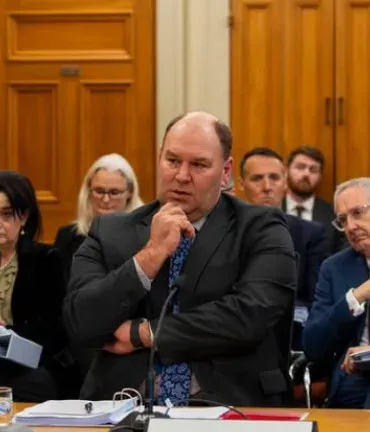
Tara Moriarty, the agriculture minister for New South Wales (NSW), confirmed the finding to reporters on Friday, 4 September, stating that routine testing identified the H5N1 strain in the bird. The greater crested tern, a seabird common to coastal Sydney, was found on the Northern Beaches — a stretch of coastline that has now become the epicentre of the state's first confirmed urban detection.
Notably, the NSW government said there have been no detections of H5N1 in commercial poultry flocks, captive birds, or livestock anywhere in the state — a critical distinction that, for now, limits the immediate economic threat to the agricultural sector.
Official Warnings to Residents
Moriarty urged Sydney residents who keep pet birds or backyard chickens to take active precautions to prevent contact with wild birds. Dog owners were specifically advised to ensure their animals do not consume carcasses or chase wild birds in affected coastal areas.
Sue Heins, the local mayor for the Northern Beaches, cautioned that this confirmed case is 'likely to be the first of many,' urging the community to prepare for what she described as the 'potentially devastating impacts' of the strain, which has been responsible for the deaths of millions of birds globally.
Scale of the Outbreak Across Australia
According to the latest federal government data — current as of Wednesday, 3 September — there have been 468 confirmed H5N1 events across Australia, of which 20 have been recorded in NSW. The Sydney detection adds to a rapidly growing national tally that has accelerated since the virus first arrived on the mainland in mid-2025.
This comes amid a broader global surge in avian influenza activity. Since 2020, a variant of the goose/Guangdong-lineage H5N1 virus — which first emerged in 1996 — has caused an unprecedented wave of deaths in wild bird and poultry populations across multiple continents. The virus spread from Africa, Asia, and Europe to North America in 2021, and reached Central and South America by 2022.
Risk to Humans and Mammals
The World Health Organization (WHO) classifies H5N1 as one of several influenza viruses capable of causing highly infectious respiratory disease in birds. Human infections, while documented, remain uncommon but can range from mild to fatal. Symptoms reported in human cases have primarily been respiratory, though conjunctivitis and other non-respiratory presentations have also been recorded. Some individuals exposed to infected animals or environments have tested positive without showing any symptoms.
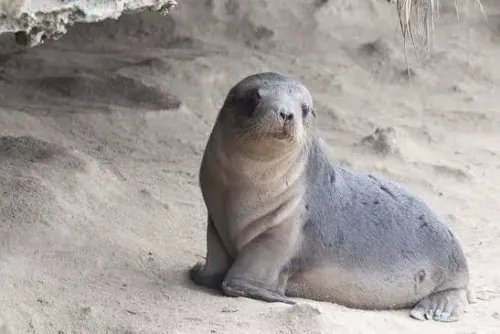
Since 2022, there has been a marked increase in deadly H5N1 outbreaks among mammals — including farmed fur animals, seals, sea lions, foxes, bears, otters, raccoons, cats, dogs, cows, and goats — raising concern among public health experts about the virus's expanding host range. Authorities note that further undetected outbreaks are likely.
What Authorities Are Monitoring Next
Health and agricultural officials are expected to intensify surveillance along Sydney's coastal zones and broader NSW wildlife corridors. The absence of any commercial poultry infection so far offers a measure of reassurance, but the Northern Beaches mayor's warning signals that local authorities are bracing for a sustained outbreak period rather than an isolated event.
Point of View
And a coastal megacity was always a matter of when, not if. What warrants scrutiny is the surveillance gap: with 468 confirmed national events, the absence of any commercial poultry detection in NSW either reflects genuine containment or an under-tested supply chain. The Northern Beaches mayor's unusually candid warning about 'potentially devastating impacts' suggests local authorities are not banking on the former. As H5N1 continues to expand its mammalian host range globally, Australia's response framework — built around poultry economics rather than wildlife epidemiology — may need a structural rethink.
NationPress
4 Sept 2026
Frequently Asked Questions
What is the H5N1 bird flu case confirmed in Sydney?
Authorities confirmed on 4 September 2025 that a greater crested tern found on Sydney's Northern Beaches in late August tested positive for the H5N1 strain of avian influenza. It is the first confirmed H5N1 detection in Sydney, following the virus's arrival on the Australian mainland in June 2025.
Is H5N1 bird flu dangerous to humans?
According to the World Health Organization, H5N1 infections in humans can range from mild to fatal, with primarily respiratory symptoms. Some people exposed to infected animals have tested positive without showing any symptoms, though human-to-human transmission remains rare.
How many H5N1 cases have been confirmed in Australia?
As of 3 September 2025, federal government data recorded 468 confirmed H5N1 events across Australia, including 20 in New South Wales. No commercial poultry flocks, captive birds, or livestock in NSW have tested positive.
What precautions should Sydney residents take?
NSW Agriculture Minister Tara Moriarty advised residents with pet birds or backyard chickens to prevent contact with wild birds. Dog owners were specifically warned to stop their animals from eating carcasses or chasing wild birds in coastal areas.
How did H5N1 spread globally before reaching Sydney?
The goose/Guangdong-lineage H5N1 virus first emerged in 1996. Since 2020, a variant has caused unprecedented bird deaths worldwide, spreading from Africa, Asia, and Europe to North America in 2021 and Central and South America in 2022. Since 2022, deadly mammalian outbreaks have also been increasingly reported.