Hantavirus outbreak: Australia extends quarantine for 6 MV Hondius passengers to June 23
Synopsis
Six passengers from the hantavirus-linked MV Hondius cruise ship are being held in quarantine near Perth until 23 June — even though all six have tested negative. The extension follows two new overseas cases pushing the global count to 13, with three deaths. Australia is running the full 42-day incubation clock, a sign that health authorities are not willing to take any chances despite a WHO 'low risk' assessment.
Key Takeaways
Six passengers linked to the MV Hondius cruise ship are in quarantine near Perth, Western Australia , with isolation now extended to 23 June 2025 .
All six have tested negative and remain asymptomatic ; the extension covers the full 42-day incubation window .
Two new overseas infections — a crew member and a passenger — pushed the global case count linked to the vessel to 13 .
The death toll stands at three out of 13 cases; no new deaths have been reported since 2 May .
WHO Director-General Tedros Adhanom Ghebreyesus described the situation as 'stable' and assessed overall public risk as low .
Six cruise ship passengers in Western Australia have had their quarantine period extended to 23 June after fresh hantavirus cases were confirmed among others linked to the same voyage, Australian authorities announced on Thursday, 28 May. The extension covers the full 42-day incubation window recommended for the virus.
Who Is in Quarantine and Where
The six individuals — four Australian citizens, one permanent resident, and one New Zealand national — have been held at a national quarantine facility near Perth since 15 May. All six have tested negative and remain asymptomatic, according to Health Minister Mark Butler, who made the announcement at a press conference.
Despite their negative test results, authorities said they are acting on advice from public health experts and the World Health Organization (WHO) that the risk of delayed onset has not been eliminated.
Why the Extension Was Ordered
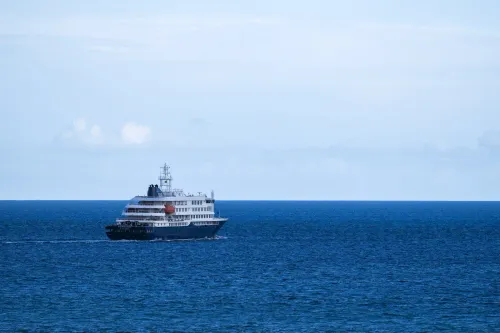
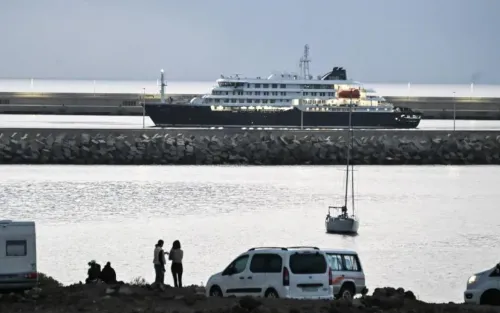
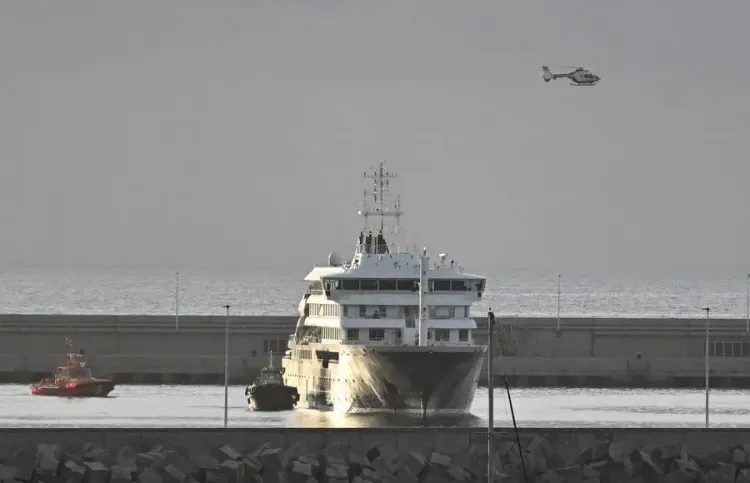
The decision followed confirmation of two additional hantavirus infections overseas — involving a crew member and a passenger from the MV Hondius, a Dutch-flagged cruise ship at the centre of the outbreak. The new cases brought the total number of infections linked to the vessel to 13, Butler said.
Australian officials described the extended quarantine as a precautionary measure to minimise any potential public health risk. The monitoring period will now run until 23 June, aligned with the 42-day window from last known exposure.
Global Case Count and WHO Assessment
On Wednesday, 27 May, WHO Director-General Tedros Adhanom Ghebreyesus confirmed that Spain had reported a new case among quarantined passengers, bringing the total to 13. 'The situation remains stable. Passengers who got sick are receiving needed care, while others remain in quarantine,' Tedros said in a post on X, adding that WHO is in close contact with all relevant governments.
No new deaths have been reported since 2 May; the death toll stands at three out of 13 confirmed cases. The WHO has assessed the overall risk to the general public as low.
What Is Hantavirus
Hantavirus is a rare but potentially serious disease typically transmitted through contact with infected rodents. Human-to-human transmission is uncommon and depends on the specific strain involved. The WHO has recommended that all evacuated passengers from the MV Hondius undergo active health monitoring for 42 days from their last exposure, either in designated quarantine facilities or at home.
What Happens Next
Australian health authorities will continue monitoring the six individuals through 23 June. If no symptoms develop within the full incubation window, they are expected to be cleared. The WHO has said it will remain in contact with all governments involved as the situation is assessed on a rolling basis.
Point of View
Test-negative passengers is a textbook application of the precautionary principle — and a deliberate signal that public health authorities are not prepared to gamble on a 42-day incubation window. What is notable is the disconnect between the WHO's 'low risk' framing and the operational posture of individual governments: Spain, Australia, and others are all running their own quarantine timelines, suggesting that the international coordination, while present, is not producing uniform risk thresholds. With three deaths out of 13 cases — a case fatality rate that is not trivial — the caution is defensible. The real test will be whether this level of response infrastructure can be sustained if hantavirus outbreaks become more frequent, as some researchers warn climate-linked rodent range expansion may cause.
NationPress
24 Sept 2026
Frequently Asked Questions
Why has Australia extended quarantine for the six MV Hondius passengers?
Australia extended quarantine to 23 June to cover the full 42-day incubation period for hantavirus, following two new overseas infections that raised the global case count linked to the MV Hondius to 13. All six individuals in Australia remain asymptomatic and have tested negative, but health authorities and the WHO advised that the risk of delayed onset had not been eliminated.
What is the current global case count for the MV Hondius hantavirus outbreak?
As of 27 May, the total number of confirmed hantavirus cases linked to the MV Hondius stands at 13, including crew members and passengers. Three deaths have been recorded, with no new fatalities reported since 2 May.
What is hantavirus and how is it transmitted?
Hantavirus is a rare but potentially serious disease primarily transmitted through contact with infected rodents, such as their urine, droppings, or saliva. Human-to-human transmission is uncommon and depends on the specific strain of the virus involved.
What has the WHO said about the risk to the general public?
The WHO has assessed the overall risk to the general public as low. Director-General Tedros Adhanom Ghebreyesus described the situation as stable on 27 May and said WHO is in close contact with all relevant governments. The WHO has recommended 42-day active health monitoring for all evacuated passengers.
When will the quarantined passengers in Australia be released?
The six passengers are expected to remain in quarantine at the national facility near Perth until 23 June 2025, when the full 42-day incubation window expires. If no symptoms develop by that date, they are expected to be cleared by health authorities.