What Humanitarian Aid is Australia Providing to Afghanistan?
Synopsis
Australia pledges $50 million in humanitarian aid to Afghanistan amidst a worsening crisis, condemning Taliban oppression of women and girls. With 22 million people in need, the focus is on addressing critical humanitarian needs while pursuing legal action for human rights violations.
Key Takeaways
Australia has pledged 50 million Australian dollars in aid to Afghanistan.
The focus of aid is on supporting women and girls.
Nearly 22 million Afghans are in need of humanitarian assistance.
The Taliban's oppression of women has led to legal action by Australia.
UNICEF highlights a severe child malnutrition crisis affecting 3.7 million children.
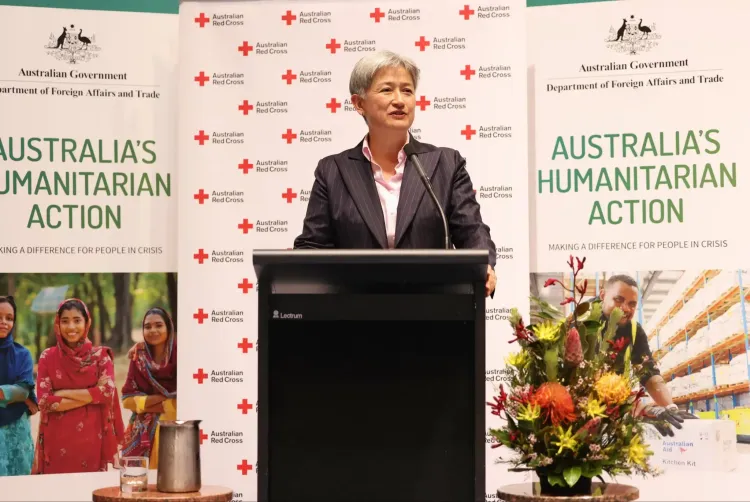
Canberra, Jan 29 (NationPress) The Australian Foreign Minister Penny Wong has declared a commitment of 50 million Australian dollars to support Afghanistan in light of the worsening humanitarian crisis. She has condemned the Taliban's oppression of women and girls and emphasized that Australia is pursuing legal action against Afghanistan for breaching the Convention on the Elimination of All Forms of Discrimination Against Women (CEDAW).
In a message posted on X, Wong remarked, "The people of Afghanistan are suffering through one of the globe’s most severe and prolonged humanitarian crises, worsened by the Taliban’s inability to fulfill basic needs. To address this, the Australian Government will allocate an additional $50 million through recognized UN partners."
"We denounce the Taliban’s ongoing systematic oppression, especially towards women and girls. Australia continues legal proceedings with international allies against Afghanistan for CEDAW violations under the Taliban regime," she continued.
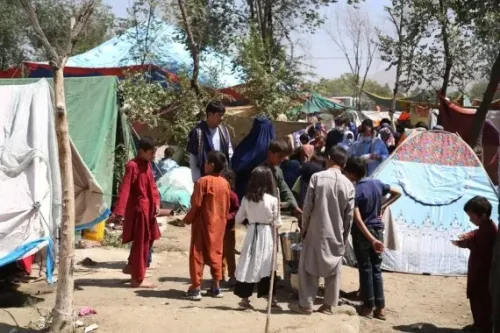
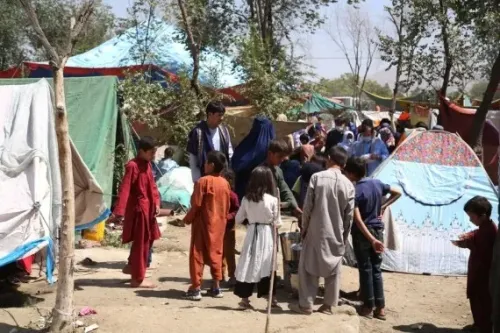
Wong highlighted that nearly 22 million individuals in Afghanistan are in dire need of humanitarian assistance, facing one of the gravest humanitarian crises in the world.
In their statement, both Penny Wong and Australia's International Development Minister Anne Aly stated, "The Taliban's suppression of women and girls, including restrictions on employment, healthcare, education, and public participation, disproportionately affects them. Our humanitarian aid is focused on empowering women and girls, with priority given to food security, health services, and safeguarding dignity, safety, and rights."
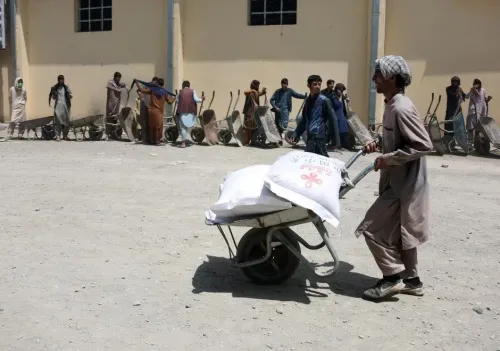
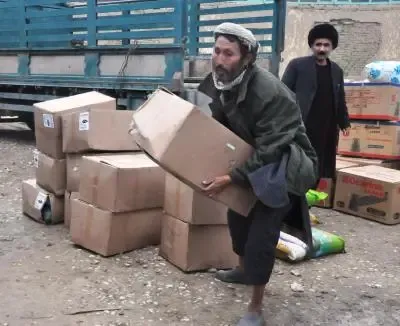
Australia collaborates with UN partners to ensure that support reaches those in need. Humanitarian assistance will be provided through organizations such as the World Food Programme (WFP) and the UN Office for the Coordination of Humanitarian Affairs' Afghanistan Humanitarian Fund.
Penny Wong remarked, "The situation in Afghanistan is critical. The Australian Government is steadfast in its commitment to assist the Afghan population, with a strong emphasis on the needs of women and girls." She added that Afghanistan's humanitarian support is aimed at saving lives, alleviating distress, and meeting the fundamental needs of those affected by the crisis.
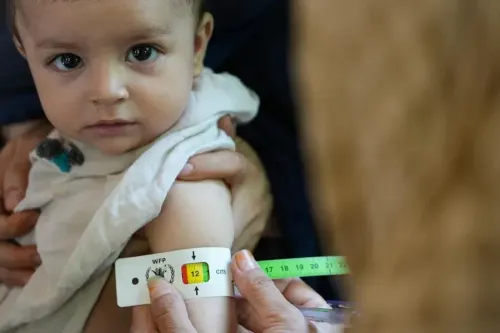
On Tuesday, the United Nations Children's Fund (UNICEF) reported that Afghanistan is experiencing one of the gravest child malnutrition crises, with approximately 3.7 million children facing acute malnutrition annually, as reported by local media.
UNICEF’s representative in Afghanistan, Tajudeen Oyewale, underscored the urgency of addressing this crisis during the launch of new malnutrition prevention and treatment guidelines, according to Afghanistan's leading news agency Khaama Press. The malnutrition crisis has worsened since 2021 amid economic downturns, drought, and shortages in humanitarian funding.
The World Food Programme reports that over 90 percent of Afghan households are unable to afford adequate food, leading to permanent developmental issues in children due to hunger and nutritional deficits.
The updated guidelines introduce significant modifications in treatment and prevention strategies, focusing more on life-saving interventions for the most severe malnutrition cases. They provide care instructions for infants under six months, marking a crucial step in combating child malnutrition. UNICEF is hopeful that these new guidelines will enhance treatment outcomes and save children's lives amid the ongoing crisis.
Malnutrition in Afghan children is driven by various factors, including poverty, food insecurity, insufficient healthcare access, and poor maternal nutrition. Rural areas are particularly impacted, where families face food shortages and lack healthcare facilities, while ongoing restrictions on female healthcare workers further hinder treatment access.
Point of View
I emphasize that Australia’s humanitarian commitment reflects a responsible stance towards global issues. The plight of Afghan women and children deserves urgent attention, and the legal actions against the Taliban highlight a collaborative effort to uphold human rights. Our nation stands in solidarity with those in need, striving to alleviate their suffering.
NationPress
20 Sept 2026
Frequently Asked Questions
What is the main focus of Australia's humanitarian aid to Afghanistan?
Australia's humanitarian aid is primarily focused on supporting women and girls, ensuring food security, health services, and protecting their dignity and rights.
How much aid has Australia announced for Afghanistan?
Australia has announced a commitment of 50 million Australian dollars in aid to support Afghanistan.
What is the current humanitarian situation in Afghanistan?
Afghanistan is facing one of the world's worst humanitarian crises, with nearly 22 million people in need of assistance due to the Taliban's failure to meet basic needs.
What legal actions is Australia pursuing against the Taliban?
Australia is continuing legal action against Afghanistan for violations of the Convention on the Elimination of All Forms of Discrimination Against Women (CEDAW) .
What role does UNICEF play in addressing child malnutrition in Afghanistan?
UNICEF is actively working to combat severe child malnutrition, with around 3.7 million children facing acute malnutrition annually in Afghanistan.