Indian helicopter entered Nepal's Darchula due to bad weather, says Foreign Minister
Synopsis
Nepal's Foreign Minister has publicly absolved India of deliberate intent in a June airspace breach near the disputed Kalapani border — but the incident, confirmed by video footage from locals, still triggered a formal protest. With Kalapani, Lipulekh, and Limpiyadhura unresolved, even weather-driven strays carry diplomatic weight.
Key Takeaways
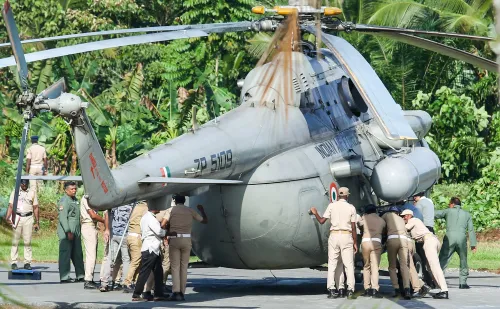
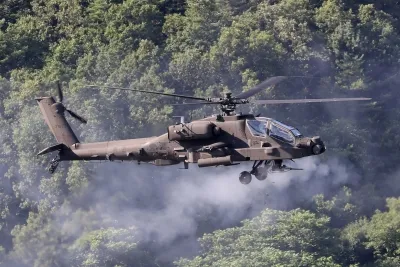
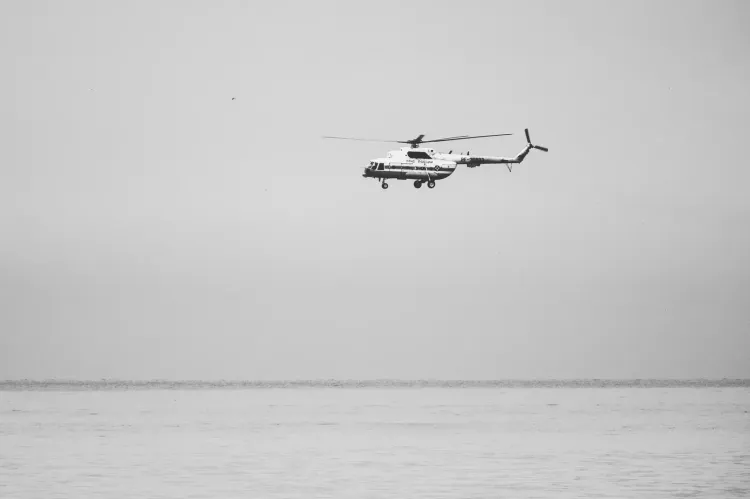
Nepal's Foreign Minister Shishir Khanal confirmed on Wednesday that an Indian military helicopter entered Darchula airspace on 10 June due to adverse weather, not intent.
Locals in the Chhangru area captured video footage of the helicopter, which prompted Nepal to confirm the airspace breach.
Darchula Chief District Officer Anil Poudel lodged a formal protest with the District Magistrate in Pithoragarh , India.
The Indian side assured Nepali authorities the breach would not happen again and said it had already notified relevant Nepali authorities.
The incident occurred near the Kalapani region , disputed between India and Nepal along with Lipulekh and Limpiyadhura .
Nepal's Foreign Minister Shishir Khanal has clarified that an Indian military helicopter that entered Nepal's airspace over the western border district of Darchula on 10 June did so because of adverse weather conditions — and not due to any deliberate intent. The minister made the statement while responding to lawmakers' oral questions during a Wednesday session of the National Assembly, the upper house of Nepal's Federal Parliament.
What the Foreign Minister Said
Minister Khanal stated that the Nepali government had received information from concerned authorities indicating the helicopter strayed into Nepali territory after encountering bad weather. 'Based on the information received from the concerned authorities, it does not appear that the Indian helicopter entered Nepali territory intentionally or with any ill motive,' he told the National Assembly.
He added: 'Due to the geographical conditions of the area and the weather situation, the helicopter entered Nepali territory, and necessary coordination and communication are taking place between the relevant Nepali authorities and the Indian side regarding the matter.'
How the Breach Was Confirmed
According to Nepali officials, the airspace breach came to light after locals in the Chhangru area of Darchula captured video footage of the Indian military helicopter flying deep into Nepali territory. Anil Poudel, Chief District Officer of Darchula, confirmed the breach and said a formal protest was lodged with the District Magistrate in Pithoragarh, India, seeking clarification on why Nepali airspace was entered without prior communication.
Poudel noted that the Indian side subsequently informed his office that it had already notified relevant Nepali authorities and gave assurances that such an incident would not recur. The helicopter had returned to Indian territory after a brief stay in Nepal's airspace.
The Disputed Border Context
The incident occurred in proximity to the Kalapani region, situated on the outskirts of Darchula district — a territory claimed by both India and Nepal. India maintains a military presence there. The two countries have longstanding disputes over the Kalapani, Lipulekh, and Limpiyadhura regions, which have remained a persistent irritant in bilateral relations for years.
Notably, this is not the first time the contested geography of this border zone has complicated routine military operations. The terrain is mountainous and weather conditions can change rapidly, making navigation particularly challenging.
What Happens Next
Diplomatic and administrative channels between the two sides remain active, according to Minister Khanal. With Nepal's parliament now formally briefed, pressure may mount on both governments to establish clearer communication protocols for military aircraft operating near the disputed border — especially given the sensitivity of the Kalapani corridor.
Point of View
Yet the absence of prior communication, confirmed by Darchula's own CDO, points to a gap in bilateral protocols that goodwill alone cannot close. Nepal's parliament is now on record demanding answers, which raises the stakes for any future incident. Without a formal airspace-notification mechanism between the two armies, the next 'weather excuse' may not land as smoothly in Kathmandu.
NationPress
2 Jul 2026
Frequently Asked Questions
Why did the Indian helicopter enter Nepal's airspace in Darchula?
Nepal's Foreign Minister Shishir Khanal stated that the Indian military helicopter entered Nepali territory on 10 June due to adverse weather and difficult geographical conditions in the area, and not with any deliberate intent.
How did Nepal confirm the airspace breach?
Locals in the Chhangru area of Darchula captured video footage of the Indian military helicopter flying inside Nepali territory. Darchula's Chief District Officer Anil Poudel used this footage to confirm the breach and subsequently filed a formal protest with the District Magistrate in Pithoragarh, India.
What action did Nepal take after the airspace violation?
Nepal lodged a formal protest with the District Magistrate in Pithoragarh, India, seeking clarification on the unauthorised entry. The Indian side reportedly assured Nepali officials that such a violation would not recur and said it had already informed relevant Nepali authorities.
What is the significance of the Darchula-Kalapani region in India-Nepal relations?
Darchula borders the Kalapani region, which is claimed by both India and Nepal. Along with Lipulekh and Limpiyadhura, Kalapani has been a longstanding territorial dispute and a key irritant in bilateral relations between the two countries.
What happens next following the Nepal parliament briefing?
Nepal's Foreign Minister has indicated that diplomatic and administrative coordination between the two sides is ongoing. With the National Assembly now formally briefed, both governments face pressure to establish clearer communication protocols for military aircraft operating near the disputed border.