Baloch treated as subjects, not citizens, since Pakistan's 1948 annexation
Synopsis
Since its forced annexation in 1948, Balochistan has been systematically stripped of political voice, economic equity, and basic rights — a pattern the HRCP's 2025 report now calls a 'crisis of trust.' With 63 enforced disappearances in a single month, a poverty rate of 47%, and BYC chief Mahrang Baloch handed two life sentences, the province's long-running crisis is intensifying, not resolving.
Key Takeaways
The HRCP's 2025 report titled 'Balochistan's Crisis of Trust' documented structural exclusion, gendered vulnerability, and weakening public institutions in the province.
Balochistan covers 43.6% of Pakistan's land area but has a poverty rate of 47% — nearly double the national average of 28.9% (2024–25).
According to the Human Rights Council of Balochistan , 63 enforced disappearances and 77 killings were recorded in June 2025 alone.
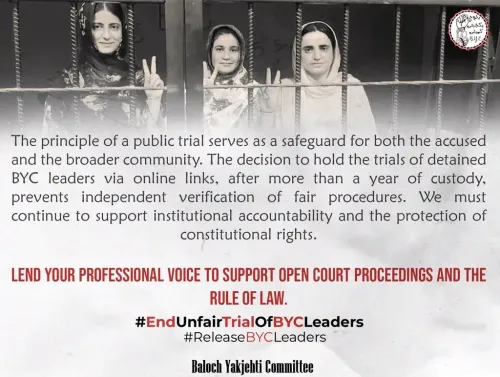
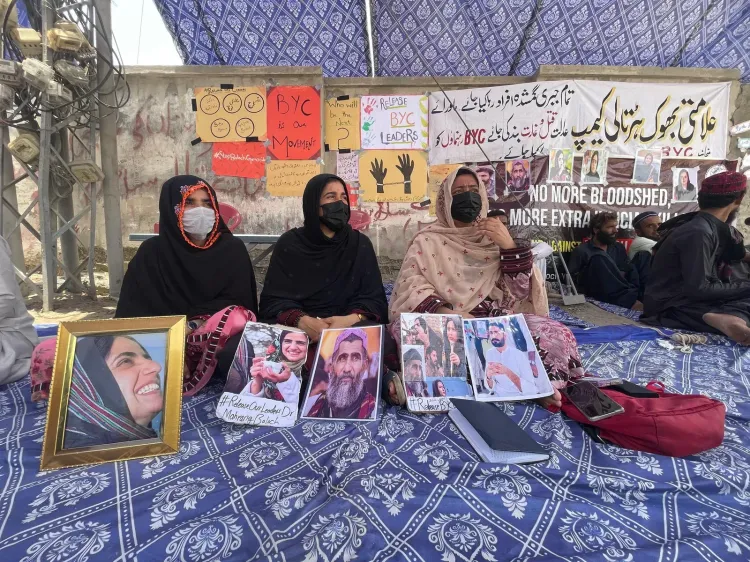
Mahrang Baloch , head of the Baloch Yakjehti Committee (BYC) , was sentenced to two life terms by an anti-terrorism court in June 2025 .
The BYC's December 2023 march from Quetta to Islamabad was broken up with water cannons and tear gas on 20 December 2023 ; virtually the entire BYC leadership has since been imprisoned.
Rights groups argue that since the province's annexation in 1948 , the Baloch have been treated as subjects rather than citizens, with natural resources extracted and political demands criminalised.
The Human Rights Commission of Pakistan (HRCP), in its 2025 annual report titled 'Balochistan's Crisis of Trust', documented deep-seated alarm among locals over the 'escalating erosion of human rights and civic space' in the province. Fieldwork findings pointed to 'a convergence of structural exclusion, gendered vulnerability, repression of youth voices and the weakening of public institutions' — conditions that, according to analysts and rights bodies, trace their roots to 11 August 1948, when Balochistan was forcibly annexed by Pakistan, barely a year after the province had declared independence on 11 August 1947.
A History of Deliberate Marginalisation
The structural exclusion of the Baloch is not incidental, critics argue — it is by design. As renowned Pakistani novelist Mohammed Hanif once observed in an interview, 'Balochistan is considered a remote part of Pakistan not just geographically but in our imagination as well.' That imagination, analysts contend, has been shaped by decades of military subjugation aimed at preventing the Baloch from asserting political and economic rights.
The pattern was visible early. When Sardar Attaullah Mengal was elected Chief Minister in 1972 — reflecting the popular will of Baloch voters — his government was dissolved and he was imprisoned on what critics described as flimsy grounds. His son, Akhtar Mengal, who became Chief Minister in 1997, was not even consulted by Islamabad when nuclear tests were conducted in Balochistan — the very province he administered. He resigned in protest. When Akhtar later opposed General Pervez Musharraf, he was charged with sedition and jailed.
Resource Wealth, Persistent Poverty
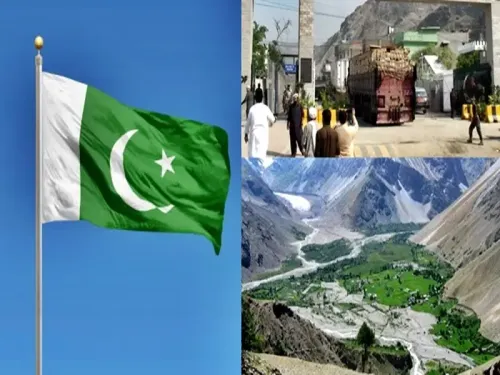
Balochistan is Pakistan's largest province, covering 43.6 per cent of the country's total land area, yet it has the lowest population density at 42.90 persons per sq km. The province holds vast reserves of natural gas, gold, copper, oil, precious stones, and chromite. Its 770-km coastline accounts for 70 per cent of Pakistan's total coastline, and Gwadar Port — positioned as a national economic game-changer — lies within its borders.
Despite this resource abundance, Balochistan remains Pakistan's poorest province. Its poverty rate stands at 47 per cent, nearly double the national average of 28.9 per cent recorded in 2024–25. The province's demands for an equitable share in its own natural resources have repeatedly been met, according to rights groups, with state repression rather than political negotiation.
Enforced Disappearances and Extrajudicial Killings
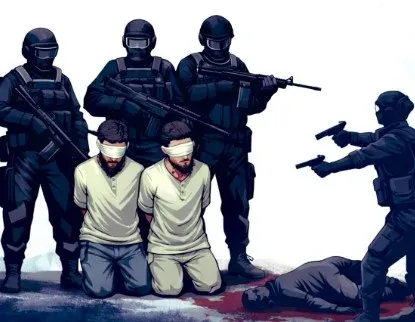
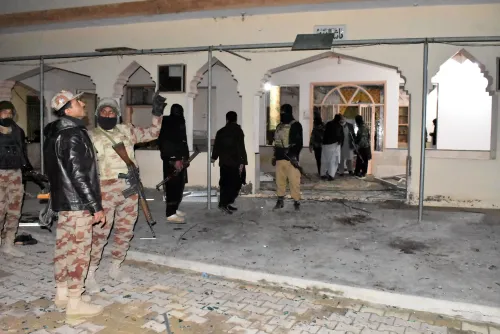
The human rights crisis has been quantified in stark terms. According to the Human Rights Council of Balochistan, 63 enforced disappearances were recorded and 77 killings reported in June 2025 alone. The HRCP, following a fact-finding mission, stated it had 'expressed grave concern over the human rights crisis confronting the province.'
In its 2023 fact-finding report titled 'Balochistan's Struggle for Hope', the HRCP had called for an end to enforced disappearances, extrajudicial killings, and torture, alongside press freedom guarantees and equitable resource-sharing — demands that, according to rights observers, have been 'spurned disdainfully' by the Pakistani state.
The Targeting of Baloch Yakjehti Committee
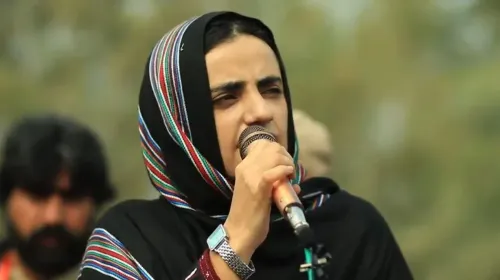
Mahrang Baloch, head of the Baloch Yakjehti Committee (BYC), was sentenced to two life terms by an anti-terrorism court in June 2025. She had been arrested in March 2025 on accusations of attacking a Quetta hospital and inciting violence. Her sentencing, however, came in a separate case — linked to an allegedly provocative speech she delivered in Gwadar in July 2024 that authorities claim led to violent protests and the death of a security personnel. Rights groups have characterised the prosecution as an arbitrary use of criminal law against Baloch activists.
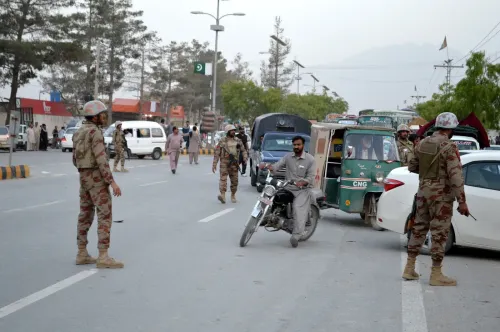
The BYC had organised a high-profile march from Quetta to Islamabad in December 2023 to highlight enforced disappearances. On 20 December 2023, as marchers approached the capital, police dispersed them with water cannons and tear gas shells. Subsequently, the BYC's leadership has been systematically imprisoned, with the state treating peaceful protest as a threat to national security narratives.
Fragmented Resistance, Unified Repression
The Baloch response to state repression has taken multiple forms: armed resistance by some factions seeking outright separation; political engagement by leaders such as Akhtar Mengal seeking accommodation within Pakistan's federal framework; and civil protest by groups like the BYC. The Pakistani state, according to rights analysts, has treated all three approaches as equally threatening — legitimising crackdowns on even non-violent actors by labelling them enemies of the state.
No civilian government, military administration, or interim setup has delivered on Baloch rights since annexation, according to rights groups. As the HRCP's 2025 report underscores, the Baloch continue to be treated as subjects rather than citizens — their resources extracted, their voices suppressed, and their grievances criminalised. The trajectory, observers warn, shows no sign of reversal.
Point of View
From the dismissal of elected Chief Ministers to the jailing of peaceful protest leaders, point to a deliberate policy of suppression rather than integration. The HRCP, a domestic Pakistani institution, has now twice in three years produced damning fact-finding reports, which means Islamabad cannot claim ignorance. What it can claim — and does — is impunity. The sentencing of Mahrang Baloch to two life terms for a speech is a signal, not an aberration: the state has decided that even legal dissent will be treated as sedition. Until the international community moves beyond statements of concern to concrete accountability measures, the Baloch crisis will remain a slow emergency that neither resolves nor explodes — just grinds on.
NationPress
25 Sept 2026
Frequently Asked Questions
What does the HRCP's 2025 Balochistan report say?
The Human Rights Commission of Pakistan's 2025 annual report, titled 'Balochistan's Crisis of Trust', found locals alarmed by the escalating erosion of human rights and civic space. It documented structural exclusion, gendered vulnerability, repression of youth voices, and weakening public institutions across the province.
When was Balochistan annexed by Pakistan, and why does it matter?
Balochistan was annexed by Pakistan on 11 August 1948, approximately one year after it had declared independence on 11 August 1947. Rights groups and analysts argue this annexation, rather than voluntary accession, set the foundation for the province's subsequent political marginalisation and military subjugation.
Who is Mahrang Baloch and why was she sentenced?
Mahrang Baloch is the head of the Baloch Yakjehti Committee (BYC), a civil society group that campaigns against enforced disappearances and extrajudicial killings. She was sentenced to two life terms by an anti-terrorism court in June 2025 in connection with an allegedly provocative speech delivered in Gwadar in July 2024. Rights groups have called the prosecution an arbitrary use of criminal law.
How poor is Balochistan compared to the rest of Pakistan?
Balochistan has a poverty rate of 47%, nearly double Pakistan's national average of 28.9% recorded in 2024–25. This is despite the province being rich in natural resources including gas, gold, copper, oil, and chromite, and hosting the strategically important Gwadar Port.
What happened during the BYC march to Islamabad in December 2023?
The Baloch Yakjehti Committee organised a march from Quetta to Islamabad in December 2023 to highlight enforced disappearances. On 20 December 2023, as marchers neared the capital, police dispersed them using water cannons and tear gas shells. The BYC's leadership has since been systematically arrested and imprisoned.