HRF demands release of Baloch activist Mahrang Baloch from Pakistan prison
Synopsis
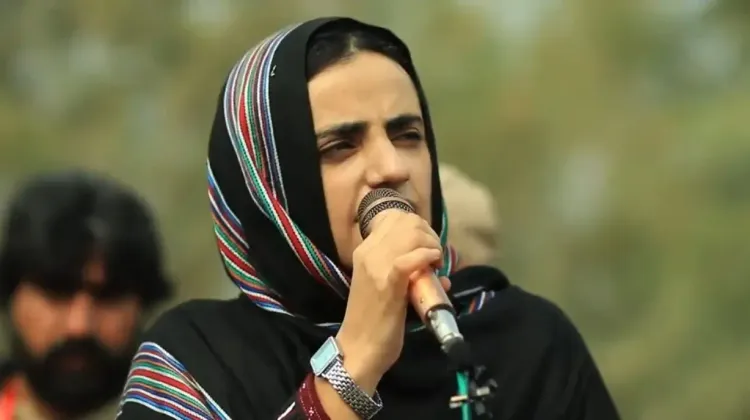
Human Rights Foundation is demanding the immediate release of Mahrang Baloch — founder of the Baloch Yakjehti Committee and daughter of a torture survivor — who is serving two life sentences in Pakistan after a trial that reportedly barred journalists, excluded defence counsel, and confined her participation to a video link. The case is fast becoming an international flashpoint over Balochistan's political repression.
Key Takeaways
The Human Rights Foundation (HRF) has demanded the immediate release and medical care of Mahrang Baloch , founder of the Baloch Yakjehti Committee (BYC) .
Baloch is serving two life sentences in Pakistan after being convicted under the Anti-Terrorism Act following her arrest at a peaceful protest in March 2025 .
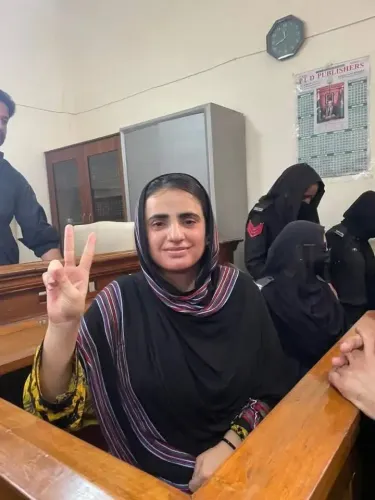
Her trial was conducted inside prison; she participated only via video link and journalists were barred from attending, according to the HRF.
Baloch alleged in September 2025 that Pakistani authorities offered activists European relocation in exchange for abandoning their struggle — an offer she says was rejected.
BYC leader Gulzadi Baloch was separately sentenced to life imprisonment by a Pakistani court on 21 September , drawing further condemnation.
Reports indicate Mahrang Baloch's health has deteriorated in prison; the HRF has called on the international community to press for her release.
The Human Rights Foundation (HRF) has called for the immediate release of Mahrang Baloch, founder of the Baloch Yakjehti Committee (BYC), who is currently serving two life sentences in a Pakistani prison on what the rights body describes as politically motivated terrorism charges. The HRF also urged Pakistani authorities to provide her with urgent medical care, amid reports of a deterioration in her health.
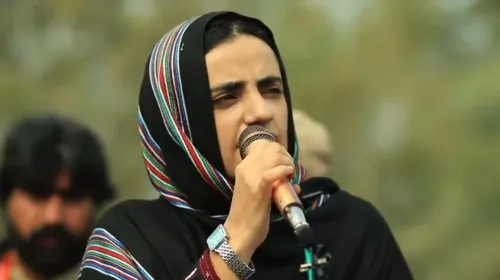
Who Is Mahrang Baloch
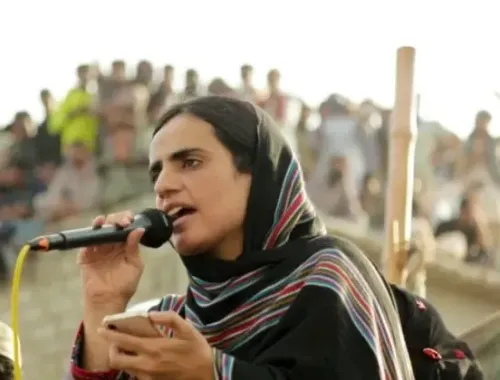
Mahrang Baloch became a prominent voice against enforced disappearances, torture, and extrajudicial killings of Baloch people long before her arrest. Her advocacy was rooted in personal loss — her father, Ghaffar Baloch, was kidnapped in 2009 and again in 2011, and was later found bearing marks of torture. Her brother was kidnapped and released in December 2017, then forcibly disappeared again in 2022.
She was arrested in March 2025 during a peaceful sit-in protest held in response to the killing of three individuals at a demonstration the previous day. She was subsequently convicted under Pakistan's Anti-Terrorism Act and sentenced to two life terms.
Due Process Concerns
According to the HRF's statement published on Genocide Watch, Baloch's trial was marred by serious procedural violations. Her hearings were conducted inside prison, and she was permitted to participate only via video link. Journalists and independent observers were reportedly barred from attending. The HRF also alleged that witnesses were cross-examined without defence counsel present, the defence was not given a full opportunity to present its case, and orders were passed in the absence of both the accused and her lawyers.
Mahrang Baloch's Letter From Prison
In a letter written from prison, Baloch reflected on the personal and political cost of her advocacy. 'Behind these walls, separated from my people and the world outside, I often reflect on the meaning of freedom, the price of resistance, and the responsibility we carry toward those whose voices have been silenced. For me, imprisonment is not an unfamiliar reality. My understanding of state violence began long before I entered this jail,' she wrote.
She added: 'The pain of my childhood eventually became a responsibility that shaped my life. I joined the struggle against enforced disappearances because I could not accept a reality in which families spend years searching for their loved ones, mothers wait endlessly for their children, and people are punished for demanding answers.'
Settlement Offer Allegations and BYC Leader's Sentencing
In September 2025, Baloch alleged in a post on X that Pakistani authorities had offered Baloch activists the option of relocating to Europe for two to three years in exchange for abandoning their political struggle. She said a deal was proposed under which one detainee would be released first to act on the authorities' instructions, with the rest to follow. 'We rejected all such offers, including these, because our struggle is not for any temporary concession, privileges, or personal gain,' she stated.
The post also condemned the life imprisonment handed to BYC leader Gulzadi Baloch by a Pakistani court on 21 September, which Mahrang described as evidence of 'ongoing mockery of justice in Balochistan and the continued process of suppressing peaceful political voices.' She questioned whether trials conducted under such conditions — with pressure on the judiciary and absence of impartiality — could be considered justice at all.
HRF's Demand and International Appeal
The HRF concluded its statement with a direct appeal to the international community: 'HRF demands that Pakistan release Dr. Baloch and provide her with medical care, and we join her in calling on the international community to stand up for freedom — for the Baloch people and for political prisoners everywhere.' Despite her deteriorating health, Baloch reportedly remains committed to peaceful advocacy for the Baloch people. The case is drawing growing international scrutiny over Pakistan's treatment of political dissidents in Balochistan.
Point of View
Designed for violent militancy, is reportedly being applied to peaceful protest organisers, with procedural safeguards — open hearings, defence representation, media access — stripped away. The alleged offer of European exile is especially revealing; if accurate, it suggests authorities recognise the political rather than criminal nature of the charges, yet continue to pursue conviction. What is missing from most international coverage is the generational dimension: Baloch's father was jailed, then disappeared; her brother was forcibly disappeared twice. The criminalisation is not individual — it is familial and systemic. Without sustained external pressure, cases like hers rarely surface beyond advocacy networks.
NationPress
9 Nov 2026
Frequently Asked Questions
Who is Mahrang Baloch and why is she in prison?
Mahrang Baloch is the founder of the Baloch Yakjehti Committee (BYC) and a prominent Baloch rights activist. She was arrested in March 2025 at a peaceful sit-in protest and subsequently convicted under Pakistan's Anti-Terrorism Act, receiving two life sentences on charges that the Human Rights Foundation describes as politically motivated.
What is the Human Rights Foundation demanding?
The HRF is demanding Pakistan's immediate release of Mahrang Baloch and provision of medical care, citing reports of her deteriorating health in prison. It has also called on the international community to pressure Pakistan over the treatment of political prisoners in Balochistan.
What due process violations are alleged in her trial?
According to the HRF, Baloch's hearings were held inside prison with her participation limited to video link. Journalists and observers were barred, witnesses were cross-examined without defence counsel, and orders were reportedly passed in the absence of the accused and her lawyers.
What did Mahrang Baloch allege about an offer from Pakistani authorities?
In September 2025, Baloch alleged that Pakistani authorities offered Baloch activists the option of relocating to Europe for two to three years in exchange for abandoning their political struggle. She said the offer also involved a staggered release arrangement, and confirmed the activists rejected it entirely.
Who is Gulzadi Baloch and what happened to her?
Gulzadi Baloch is a leader of the Baloch Yakjehti Committee (BYC). She was sentenced to life imprisonment by a Pakistani court on 21 September, a verdict that Mahrang Baloch condemned as evidence of the suppression of peaceful political activity in Balochistan.