Bangladesh Awami League alleges activists killed, bodies dumped in Turag River; police deny claims
Synopsis
Bangladesh's Awami League has accused the BNP-led government of killing its activists and dumping their bodies in Dhaka's Turag River — claims the police flatly deny as 'baseless propaganda.' With an international rights body calling for a Supreme Court-led inquiry and the country's political fault lines deepening, the disputed allegations are testing the limits of accountability in post-interim Bangladesh.
Key Takeaways
Awami League alleged on 29 June that Chhatra League and Jubo League activists were killed and their bodies dumped in the Turag River , Dhaka .
Bangladesh Police dismissed the claims as 'baseless' , saying no such incident had been reported, and warned the public against 'false propaganda.' The Awami League alleged more than 600 people were killed during the new government's first 100 days in office.
Justice Makers Bangladesh in France (JMBF) called for an independent, internationally compliant inquiry led by a High Court Division judge.
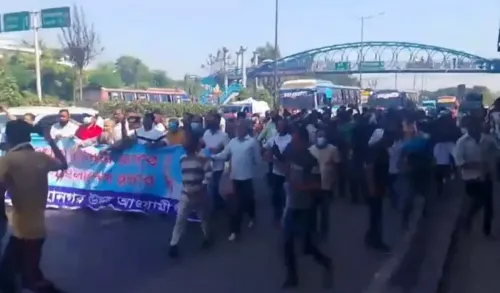
The controversy erupted after law enforcement resisted Awami League processions marking the party's 77th founding anniversary , with several people arrested across the country.
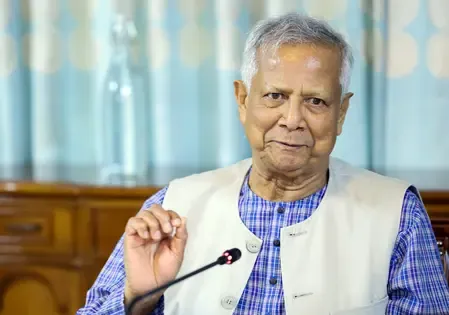
Bangladesh's Awami League has strongly condemned what it describes as the systematic killing of its Chhatra League and Jubo League leaders and activists, alleging that their bodies were dumped into the Turag River in Dhaka. The party's statement, issued on 29 June, comes amid a broader pattern of alleged violence against its members that it says has persisted since the Muhammad Yunus-led interim government's 18-month tenure and has continued under the current Bangladesh Nationalist Party (BNP) administration.
Awami League's Allegations
In a statement shared on X, the Awami League drew a stark comparison, saying: 'You have witnessed how decomposed and partially decomposed bodies have been recovered one after another from the Turag River. The Turag has become a heartbreaking symbol of tragedy, resembling a new Karbala, a place of mass killing.'
The party alleged that victims were targeted solely on the basis of their political affiliation with its student and youth wings. It further claimed that more than 600 people were killed during the new government's first 100 days in office, and that murder, rape, theft, and attacks inside homes have become everyday occurrences — which it attributed to what it called poor governance and state-sponsored lawlessness.
Police Reject the Claims
Bangladesh police have categorically dismissed the social media claims as 'baseless'. Bangladeshi daily Prothom Alo quoted police authorities as saying: 'Efforts are being made to spread confusion among the public by disseminating baseless information on social media under the headline "Seven Awami League-Chhatra League leaders and activists' bodies are floating in the Turag River." In reality, no such incident has been reported.'
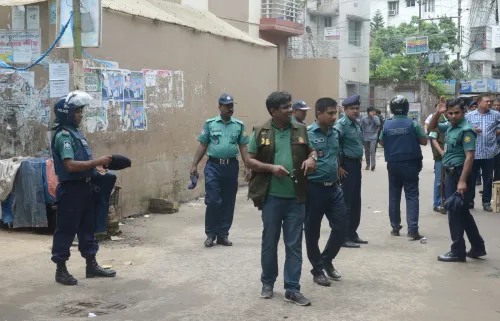
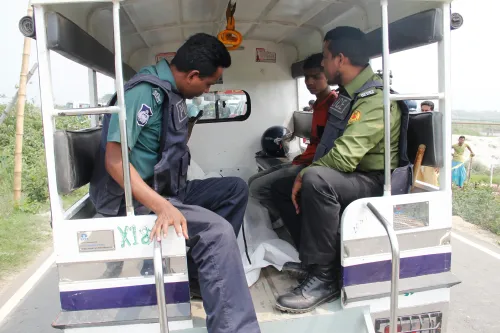
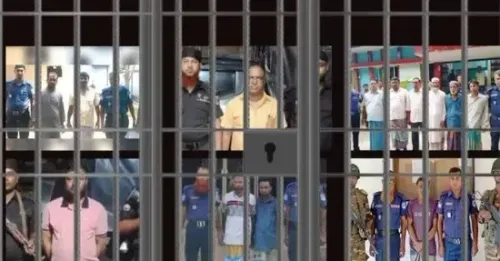
The police urged citizens not to be 'misled by such false propaganda', adding that the claims originated from Awami League supporters' social media pages following the party's 77th anniversary processions, during which several people were taken into custody at multiple locations including the capital.
International Human Rights Body Calls for Inquiry
Justice Makers Bangladesh in France (JMBF), an international human rights organisation, has called for an independent, impartial, and internationally compliant commission of inquiry into the alleged killings. The body recommended that such a commission be led by a judge of the High Court Division of the Supreme Court of Bangladesh, with oversight from international human rights experts.
Shahanur Islam, Founder President of JMBF, said the alleged torture, killing, and river disposal of bodies on the basis of political belief 'constitute an extremely grave violation of human rights' and bear 'disturbing similarities to the culture of mob violence and politically motivated killings that emerged during the previous interim administration.'
Islam added: 'Allegations suggest that the current BNP-led government is witnessing a new manifestation of that same pattern. If these allegations are substantiated through an independent investigation, all those responsible must be brought to justice.'
Background and Context
The latest flashpoint emerged as the Awami League and its affiliated Chhatra League attempted to hold processions across Bangladesh to mark the party's 77th founding anniversary. Reports indicate that law enforcement resisted these processions in several locations, leading to multiple arrests. It was in this charged atmosphere that social media posts — attributed to Awami League supporters — alleged that seven detained activists had been killed and their bodies thrown into the Turag River.
The disputed claims and the police's flat denial reflect the deepening political polarisation in Bangladesh, where the Awami League — which governed the country for over a decade — now finds itself in sharp opposition to the BNP-led establishment. As investigations remain pending and competing narratives harden, the fate of an independent inquiry will be closely watched by both domestic critics and international observers.
Point of View
Against a government that controls the police force doing the denying. The police rebuttal may be factually accurate, but its credibility is structurally compromised when the same institution is the subject of the complaint. What is missing — and what JMBF is right to demand — is an independent mechanism that neither the Awami League nor the BNP administration can control. Without it, every allegation and denial will simply deepen partisan trenches rather than establish facts.
NationPress
29 Jun 2026
Frequently Asked Questions
What did the Awami League allege about the Turag River?
The Awami League alleged that leaders and activists of its Chhatra League and Jubo League wings were killed and their bodies dumped into the Turag River in Dhaka. The party made the claim in a statement on 29 June, describing the river as 'a new Karbala, a place of mass killing.'
How did Bangladesh police respond to the Turag River claims?
Bangladesh police categorically denied the allegations, calling them 'baseless' and urging the public not to be misled by 'false propaganda.' Police stated that no incident of bodies floating in the Turag River had been reported, and that the claims originated from Awami League supporters' social media pages.
What triggered the social media claims about the Turag River?
The claims surfaced after law enforcement resisted Awami League and Chhatra League processions held to mark the party's 77th founding anniversary. Several people were arrested at multiple locations including Dhaka, after which social media posts alleged that seven detained activists had been killed and thrown into the Turag River.
What has the international human rights body JMBF demanded?
Justice Makers Bangladesh in France (JMBF) has called for an independent, impartial, and internationally compliant commission of inquiry into the alleged killings. It recommended the commission be led by a High Court Division judge of the Supreme Court of Bangladesh, with participation and oversight from international human rights experts.
What is the broader political context behind these allegations?
The allegations come amid escalating tensions between the Awami League and the BNP-led government that took power after the Muhammad Yunus-led interim administration. The Awami League claims more than 600 of its members were killed in the government's first 100 days, while the BNP administration and police deny systematic violence against political opponents.