What Happened in Bangladesh? Bomb Blast and Clashes Result in Three Fatalities
Synopsis
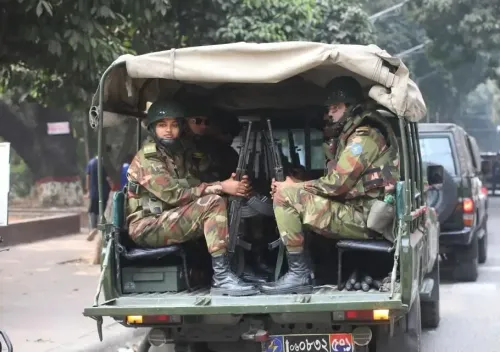
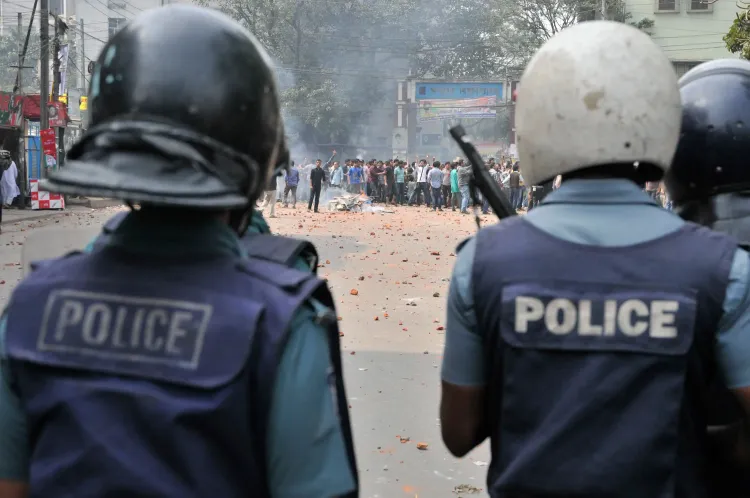
In a shocking turn of events following the recent elections in Bangladesh, a bomb explosion and violent clashes have resulted in three fatalities. This troubling incident highlights the ongoing tensions and challenges facing the nation as the BNP prepares to take power.
Key Takeaways
A bomb blast in Chapainawabganj resulted in two deaths.
Post-election violence has left at least one dead and dozens injured.
The BNP is preparing to take power amid rising tensions.
Experts warn of challenges from unrest and extremism.
Local police are investigating the incidents.
Dhaka, Feb 14 (NationPress) A bomb blast and subsequent clashes led to the deaths of three individuals in Bangladesh over the weekend, following the nation's national parliament election held on Thursday, according to police reports.
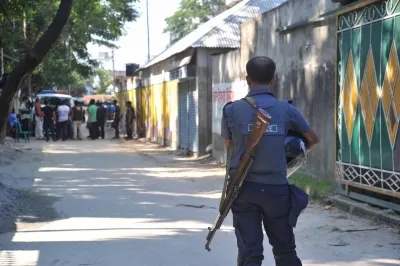
In a tragic incident early Saturday morning, at least two people lost their lives and three others sustained injuries due to an explosion in the Chapainawabganj district, located approximately 302 km northwest of Dhaka.
Local police officer Md Nure Alam informed reporters that the explosion occurred around 5 am local time while crude explosives, commonly referred to as "cocktails", were being manufactured at a residence in the village. The explosion resulted in the collapse of brick walls and the roof being blown off, while authorities are currently working to identify the victims.
Following a significant electoral triumph in the 13th Parliamentary election, the Bangladesh Nationalist Party (BNP) is poised to establish the next government.
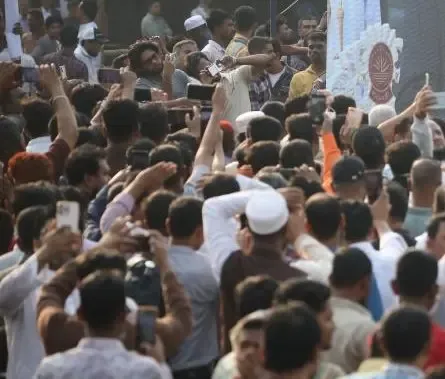
Reports from local media indicate that at least one individual was killed and 36 others injured amid post-election violence from Thursday night to Friday evening, which included allegations of intra-party clashes, rival group attacks, and vandalism.
In a clash in Sadar Upazila of Munshiganj district, a young man lost his life. The Daily Star, a prominent newspaper in Bangladesh, reported that 30-year-old Md Jasim Nayeb, who supported an independent candidate and was a former BNP district member secretary, was critically wounded during this altercation on Friday afternoon and later succumbed to his injuries at Dhaka Medical College Hospital.
According to police, longstanding rivalries between factions in the area escalated into violence over election-related disputes, during which Jasim suffered severe head injuries from a sharp object.
With Tarique Rahman, the BNP's chairperson, now ready to lead Bangladesh, experts caution that the nation will face significant challenges in addressing unrest and rising Islamist extremism that characterized the 18-month period of the Muhammad Yunus-led interim government.
Point of View
I affirm that NationPress stands with the people of Bangladesh during these challenging times. The recent violence underscores the need for unity and dialogue amidst political transitions. We remain committed to delivering unbiased coverage that reflects the realities on the ground.
NationPress
23 Sept 2026
Frequently Asked Questions
What caused the bomb explosion in Bangladesh?
The explosion occurred while crude explosives, referred to as 'cocktails', were being made at a village house.
How many people were injured in the clashes?
At least 36 individuals sustained injuries during the post-election violence.
Who is leading the new government in Bangladesh?
The Bangladesh Nationalist Party (BNP), led by Tarique Rahman, is set to form the next government.