BRICS health ministers push for universal health coverage across Global South
Synopsis
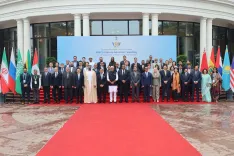
At a gathering chaired by India in Chandigarh, BRICS health ministers adopted their 16th joint declaration, committing over 70 delegates to nine measurable health priorities — from TB control to pandemic preparedness. For a bloc representing billions in the Global South, this is the most structured multilateral health push the group has attempted yet.
Key Takeaways
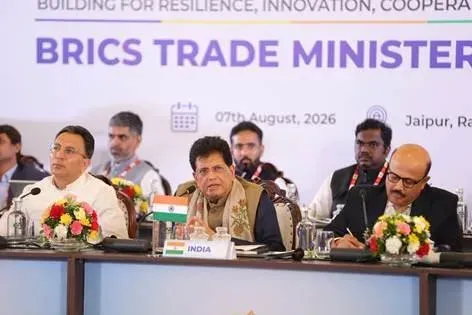
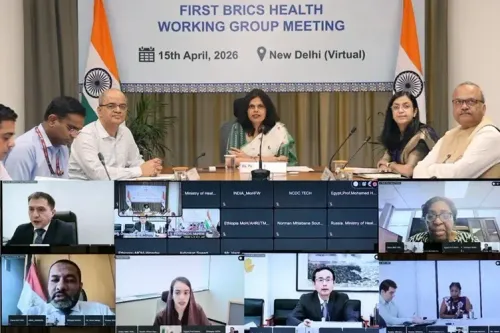
The 16th BRICS Health Ministers' Declaration was adopted at a meeting chaired by India in Chandigarh .
Over 70 representatives and partner organisations endorsed nine priority areas including mental health, TB control, pandemic preparedness, traditional medicine, and nuclear medicine.
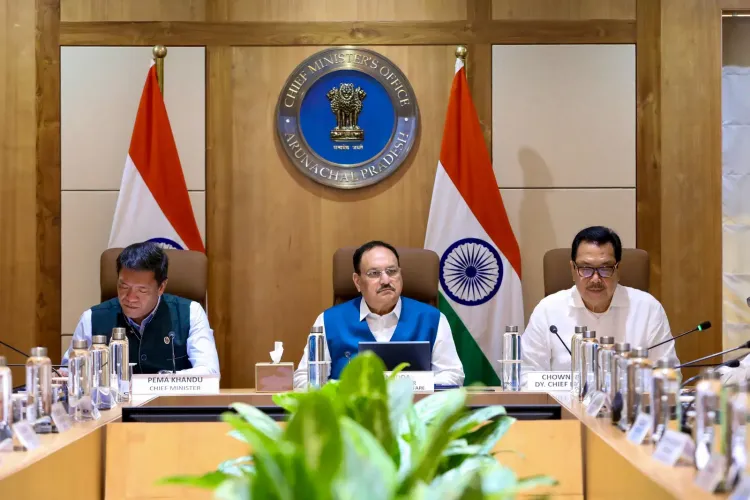
Union Minister Jagat Prakash Nadda called for enhanced cooperation to strengthen public health systems and accelerate digital health solutions.
Brazil leads the bloc on UHC progress via its Unified Health System ; India's Ayushman Bharat is one of the world's largest publicly funded insurance schemes.
The declaration builds on prior BRICS pledges but is notable for attaching measurable outcomes to each priority domain.
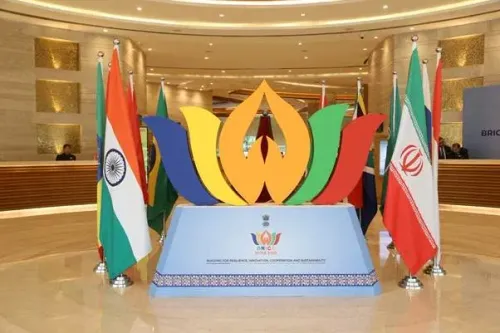
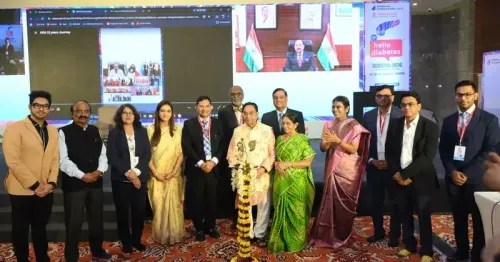
The 16th BRICS Health Ministers' Declaration, adopted at a gathering chaired by India in Chandigarh, has committed the bloc to deeper cooperation in health care and pooled expertise aimed at collectively achieving universal health coverage (UHC) for billions across the Global South, according to a new report. The declaration, endorsed by over 70 representatives and partner organisations, marks a significant multilateral step in building more accessible and resilient health systems.
Key Developments from the Declaration
Delegates at the ministerial meeting endorsed nine priority areas, covering mental health, tuberculosis control, pandemic preparedness, traditional medicine, and nuclear medicine, among others. The declaration builds on an earlier collective pledge by BRICS member states to work toward UHC, this time with measurable outcomes attached to each priority domain.
'By pooling expertise, BRICS is laying the foundations for more accessible, affordable and resilient health care for billions of people across the Global South,' the report noted.
What India's Health Minister Said
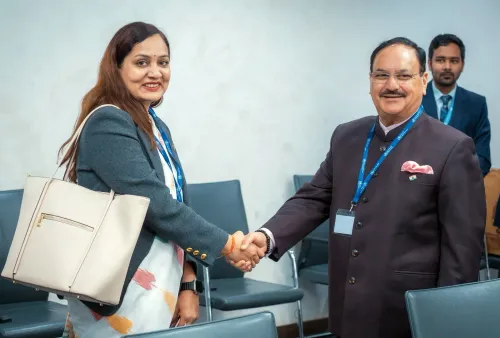
Union Minister of Health and Family Welfare Jagat Prakash Nadda stressed the importance of strengthening collective action, stating that 'enhanced cooperation would strengthen public health systems, accelerate digital health care solutions and improve access to medical services across member states.' He drew on India's own experience, underscoring that resilient health systems and equitable access to care are essential pillars of sustainable development.
Where Each BRICS Nation Stands on UHC
Among the five-nation bloc, Brazil has made the most progress, offering free health care to all residents and visitors through its Unified Health System. Russia operates a state-backed mandatory health insurance model anchored in an extensive public health care network, while China has achieved near-universal basic coverage through government-supported insurance schemes.
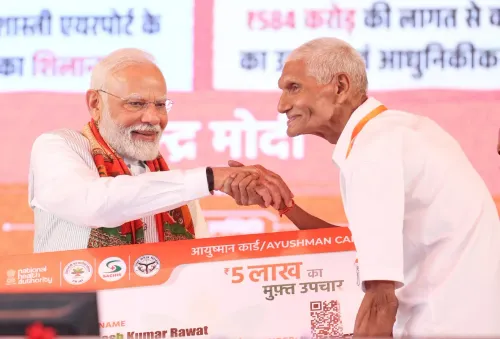
India has advanced through sustained policy reforms and increased public health expenditure. The National Rural Health Mission has strengthened primary care infrastructure, and Ayushman Bharat — one of the world's largest publicly funded insurance schemes — supports economically disadvantaged citizens at accredited public and private hospitals.
Why This Matters for the Global South
BRICS nations collectively represent a significant share of the world's population and disease burden. Coordinated action on tuberculosis control and pandemic preparedness, in particular, carries implications well beyond member borders. This is the 16th such ministerial declaration, reflecting a decade-and-a-half of incremental health diplomacy that critics argue has historically produced pledges ahead of verifiable outcomes. The Chandigarh gathering, however, is notable for attaching specific priority areas with measurable targets — a structural shift from earlier iterations.
What Comes Next
With the declaration now adopted, member states are expected to translate the nine priority commitments into national action plans. India's chairmanship role positions it as a key driver of implementation timelines. Progress on digital health integration and cross-border data-sharing frameworks will likely be early indicators of whether the bloc can move from declaration to delivery.
Point of View
The real question is not whether BRICS can agree on health priorities — it clearly can — but whether those priorities translate into cross-border action. TB control and pandemic preparedness are areas where coordination genuinely reduces risk for all member states, yet past declarations have rarely produced shared surveillance infrastructure or joint procurement frameworks. India's chairmanship gives New Delhi leverage to push for binding timelines, but the absence of an enforcement mechanism remains a structural weakness. Until BRICS health diplomacy moves from communiqués to verifiable delivery milestones, the gap between ambition and outcome will persist.
NationPress
8 Aug 2026
Frequently Asked Questions
What is the 16th BRICS Health Ministers' Declaration?
It is a joint commitment adopted by BRICS member states at a ministerial meeting in Chandigarh, chaired by India, pledging deeper cooperation in health care and collective progress toward universal health coverage. The declaration covers nine priority areas including mental health, tuberculosis control, and pandemic preparedness.
Where was the BRICS health ministers' meeting held?
The meeting was held in Chandigarh, India, with India serving as chair. Over 70 representatives and partner organisations participated in endorsing the declaration.
What did India's Health Minister say at the BRICS meeting?
Union Minister of Health and Family Welfare Jagat Prakash Nadda called for enhanced collective action, stating that cooperation would strengthen public health systems, accelerate digital health care solutions, and improve access to medical services across member states.
How does India's health coverage compare with other BRICS nations?
Brazil leads the bloc with free health care for all residents through its Unified Health System. India's Ayushman Bharat is among the world's largest publicly funded insurance schemes, supported by the National Rural Health Mission for primary care. Russia and China also operate near-universal coverage models through state-backed insurance frameworks.
Why does BRICS health cooperation matter for the Global South?
BRICS nations collectively account for a substantial share of the world's population and disease burden, making coordinated action on issues like TB and pandemic preparedness significant beyond member borders. The bloc's pooled expertise and resources could help build more affordable and resilient health systems across developing nations.