Shekhawat hosts BRICS Culture Ministers in Bhopal
Synopsis
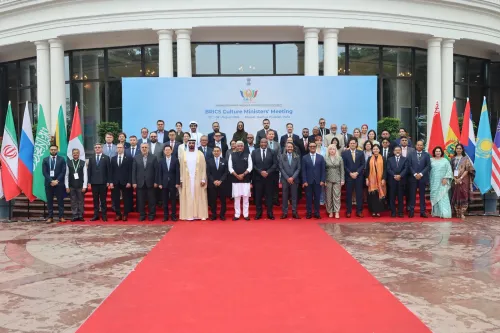
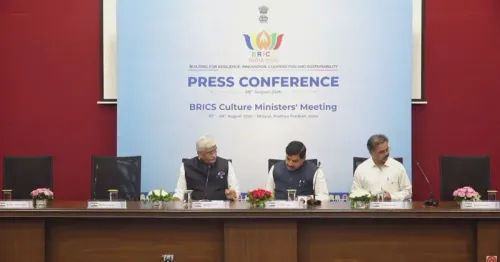
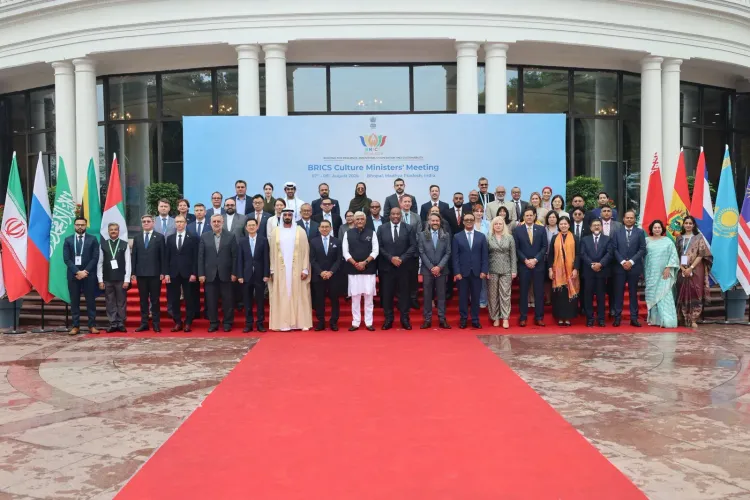
Union Culture and Tourism Minister Gajendra Singh Shekhawat hosted Culture Ministers from BRICS Member and Partner Countries in Bhopal on August 8, 2026, reaffirming shared cultural heritage as a pillar of BRICS cooperation under India's 2026 coordination role.
Key Takeaways
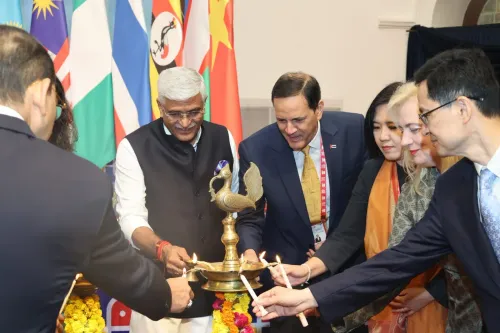
Gajendra Singh Shekhawat hosted Culture Ministers and delegates from BRICS Member and Partner Countries in Bhopal on August 8, 2026 .
Ministers collectively reaffirmed commitment to making culture a 'stronger pillar of BRICS cooperation.' The meeting falls within India's 2026 BRICS coordination role , shaping the grouping's agenda across tracks.
Bhopal , rich in Mughal, Buddhist, and tribal heritage, was chosen as a symbolically resonant venue.
BRICS has progressively expanded its agenda from trade and finance to include cultural and people-to-people cooperation since the 2010s .
The gathering included delegates from the expanded BRICS membership spanning multiple continents and civilisational traditions.
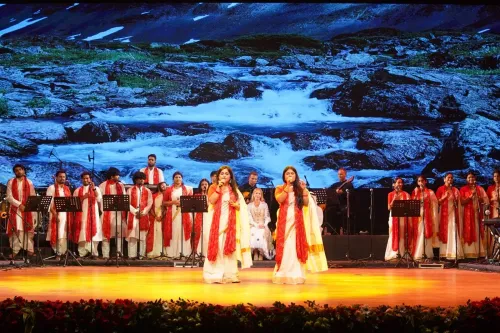
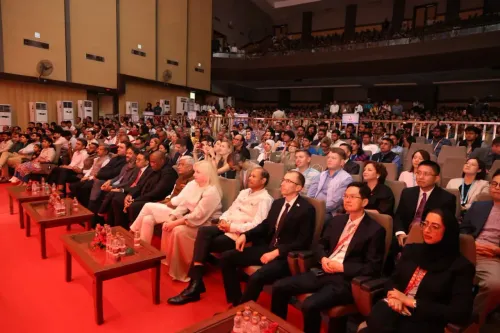
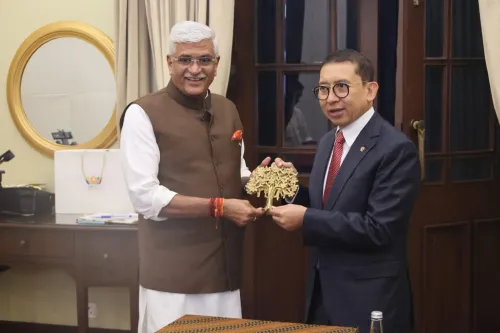
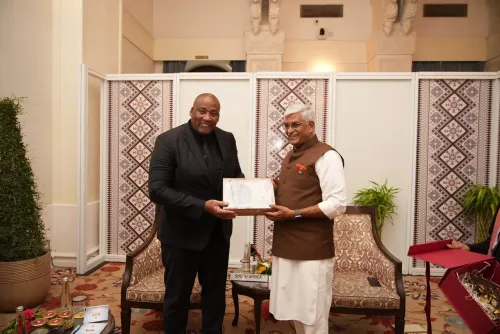
In the heart of India, culture became the currency of diplomacy. Union Culture and Tourism Minister Gajendra Singh Shekhawat convened a landmark gathering of Culture Ministers and distinguished delegates from BRICS Member and Partner Countries in Bhopal, Madhya Pradesh, on Saturday, August 8, 2026 — a meeting that placed India's civilisational heritage squarely at the centre of a major multilateral framework.
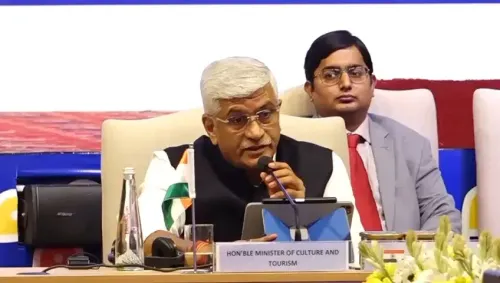
Shekhawat framed the gathering in terms that went beyond protocol. 'Our shared cultural heritage is a powerful bridge that connects our peoples, strengthens mutual understanding and deepens the bonds of friendship among nations,' he wrote, adding that the assembled ministers 'reaffirmed our commitment to making culture a stronger pillar of BRICS cooperation.'
Why Bhopal, and Why Now
Bhopal, the capital of Madhya Pradesh, is itself a city layered with history — Mughal-era mosques, Buddhist stupas at nearby Sanchi, and a thriving tribal art tradition. Hosting a BRICS culture conclave here was not incidental. India's choice of venue signals an intent to anchor multilateral conversations in living heritage, not just conference halls. The meeting falls under India's 2026 BRICS coordination role, a year in which New Delhi is expected to shape the grouping's agenda across tracks — economic, political, and now explicitly cultural. Prime Minister Narendra Modi's administration has steadily positioned cultural diplomacy as a soft-power instrument, and this gathering is a visible expression of that doctrine.From Trade Bloc to Civilisational Forum
When BRICS was conceived in the early 2000s, the conversation was almost entirely about GDP trajectories and reserve currencies. The shift has been gradual but deliberate. Since the 2010s, successive BRICS declarations have woven in people-to-people exchanges, heritage cooperation, and cultural programming alongside the hard economic agenda. The expansion of BRICS to include Partner Countries has only amplified this logic. A grouping that now spans multiple continents and civilisational traditions has a genuine stake in cultural common ground — and a gathering of culture ministers is one of the clearest ways to institutionalise that stake.The Hashtag Trail: #BRICSCulture2026
Shekhawat's post, tagged #BRICSCulture2026 and #CulturalDiplomacy, was directed at a wide cast: the Prime Minister's Office, the Ministry of External Affairs, and several foreign delegates whose handles suggest representation from across the expanded BRICS membership. The digital amplification is itself a diplomatic signal — India wants this moment seen, and remembered. What formal outcomes the Bhopal meeting produces — joint declarations, cultural exchange frameworks, heritage preservation pacts — will determine whether this gathering is remembered as a milestone or a milestone gesture. But the energy in the room, and the seniority of the delegations, suggests the former is the ambition.Point of View
Hosting culture ministers from an expanded BRICS signals that India's 2026 coordination role is about agenda-broadening, not just agenda-management. The explicit branding of 'cultural diplomacy' alongside tags to the PMO and MEA suggests this is being driven from the top, not delegated to a ministry silo. If formal outcomes follow, Bhopal could mark the moment BRICS culture cooperation moved from aspirational language in summit declarations to an institutionalised track.
NationPress
8 Aug 2026
Frequently Asked Questions
What happened at the BRICS Culture Ministers meeting in Bhopal?
Culture Ministers and distinguished delegates from BRICS Member and Partner Countries gathered in Bhopal on August 8, 2026, hosted by Union Culture and Tourism Minister Gajendra Singh Shekhawat. The ministers reaffirmed their commitment to making culture a stronger pillar of BRICS cooperation.
Why was Bhopal chosen for the BRICS culture meeting?
Bhopal, the capital of Madhya Pradesh, is a city rich in Mughal, Buddhist, and tribal heritage — including proximity to the UNESCO-listed Buddhist stupas at Sanchi. India's choice of venue signals an intent to root multilateral cultural conversations in living heritage.
What is India's role in BRICS in 2026?
India holds a BRICS coordination role in 2026, which means New Delhi is shaping the grouping's agenda across economic, political, and cultural tracks. The Bhopal culture ministers' meeting is one of the key events under this role.
How has BRICS expanded its agenda beyond trade and finance?
Since the 2010s, successive BRICS declarations have incorporated people-to-people exchanges, heritage cooperation, and cultural programming alongside the traditional economic agenda. The expansion of BRICS to include Partner Countries has further broadened this cultural dimension.
Who is Gajendra Singh Shekhawat?
Gajendra Singh Shekhawat is India's Union Minister of Culture and Tourism, a senior BJP leader, and a Lok Sabha Member of Parliament from Jodhpur, Rajasthan.