Bangladesh e-waste imports surge amid Basel Convention breaches: Report
Synopsis
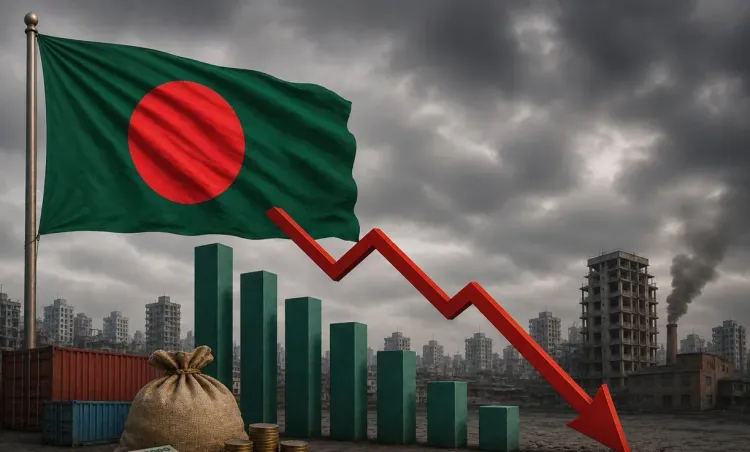
A new report reveals Bangladesh imported nearly 15,000 tonnes of e-waste between 2022 and 2025 — far outpacing its exports — as 40 companies repeatedly exploited a customs loophole, with 90% of shipments escaping physical inspection. The country's own e-waste rules exist on paper; enforcement is another matter entirely.
Key Takeaways
40 companies declared e-waste imports under HS code 8549 multiple times between 2022 and 2025 , breaching the Basel Convention .
Bangladesh imported roughly 14,985 tonnes of e-waste and scrap over the period, against only 4,040 tonnes exported, confirming net-importer status.
Combined declared imports under the e-waste code totalled approximately $700,000 .
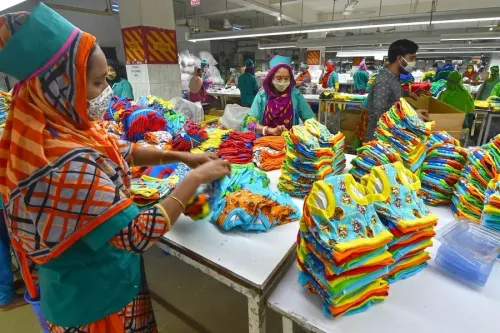
The textiles and apparel sector accounted for about 27% of identified e-waste importers.
TIB warned true volumes are likely understated due to misdeclaration; around 90% of consignments face only basic customs checks.
Bangladesh's Hazardous Waste (E-waste) Management Rules, 2021 exist but enforcement remains weak, according to officials and civil society groups.
Bangladesh has emerged as a net importer of hazardous electronic waste, with weak regulatory oversight enabling repeated violations of the Basel Convention, according to a new report. The findings raise serious environmental and public-health alarms for a country whose enforcement infrastructure has struggled to keep pace with rising cross-border e-waste flows.
What the Data Shows
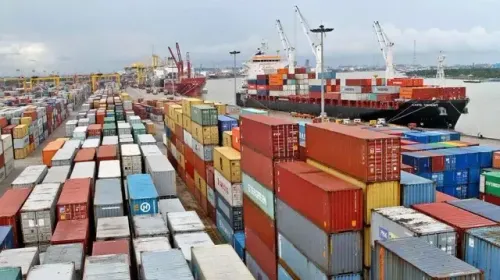
The report, citing a National Board of Revenue (NBR) document, found that 40 companies declared imports under HS code 8549 — the customs classification for e-waste — multiple times between 2022 and 2025, in apparent breach of international hazardous-waste trade rules. Combined imports under that code totalled approximately $700,000 over the period.
In volume terms, roughly 14,985 tonnes of e-waste and scrap entered Bangladesh between 2022 and 2025, compared with just 4,040 tonnes of printed circuit boards and scrap exported — confirming the country's net-importer status. Notably, the textiles and apparel sector accounted for about 27% of the identified e-waste importers.
Why the True Scale May Be Larger
The NGO Transparency International Bangladesh (TIB) warned that the reported figures are likely understated, because importers frequently misdeclare shipments under other HS codes to avoid detection. Abdullah Zahid Osmani, research associate at TIB, noted that around 90% of import consignments clear customs with only basic checks, while just 10% undergo detailed physical inspection — a gap that experts say is being systematically exploited.
Health and Environmental Risks
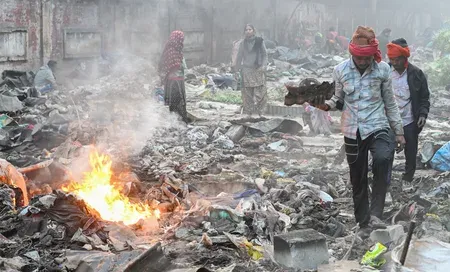
Hazardous heavy metals commonly found in e-waste — including lead, mercury, and cadmium — can leach into soil and water, eventually entering the food chain, experts warned. Poor coordination among regulatory agencies was cited as a key structural reason why violations persist despite existing rules.
Bangladesh does have a legal framework in place: the Hazardous Waste (E-waste) Management Rules, 2021. However, enforcement remains weak, and the absence of effective cargo-screening systems allows prohibited e-waste to enter through declared import channels.
What Officials Said
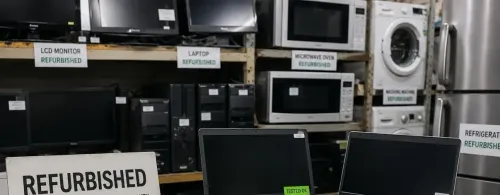
Md. Ziaul Haque, additional director general of the Department of Environment (DoE), described illegal e-waste trade through declared import channels as 'a matter of great concern.' He called for deeper investigation into what products are actually arriving under the e-waste label, pointing out that specific items such as old refrigerators have already been banned due to their environmental hazards.
The report also flagged concerns around informal e-waste businesses, including allegations of illegal financial transactions — such as payments to obtain licences or sustain operations outside regulatory oversight.
What Needs to Change
Analysts and civil society groups argue that closing the enforcement gap will require stronger inter-agency coordination, upgraded cargo-screening technology at ports, and stricter penalties for misdeclaration. This comes amid growing global pressure on developing nations to resist becoming dumping grounds for rich-country electronic waste. With Bangladesh's manufacturing base expanding, the risk that e-waste inflows scale alongside legitimate imports is a trajectory regulators will need to actively counter.
Point of View
But enforcement infrastructure lags so far behind that the rules are effectively optional. The 90% basic-check rate at customs is not an oversight — it is a structural invitation. What is striking is the textiles-sector angle: an industry already under global scrutiny for environmental compliance is now linked to more than a quarter of flagged e-waste imports. If Bangladesh is serious about its green manufacturing credentials — increasingly a trade prerequisite with the EU — it cannot afford to let this gap persist. The Basel Convention breach is not just a domestic health issue; it is a reputational and market-access risk.
NationPress
19 Sept 2026
Frequently Asked Questions
Why is Bangladesh considered a net importer of e-waste?
Bangladesh imported roughly 14,985 tonnes of e-waste and scrap between 2022 and 2025, compared with only 4,040 tonnes of printed circuit boards and scrap exported over the same period. This imbalance, documented in a National Board of Revenue record, confirms the country receives significantly more hazardous electronic waste than it sends out.
How are companies bypassing Bangladesh's e-waste rules?
According to TIB, importers frequently misdeclare shipments under HS codes other than 8549 to avoid detection, and approximately 90% of import consignments clear customs with only basic checks rather than detailed physical inspection. This enforcement gap allows prohibited e-waste to enter through legitimate import channels.
What health risks does e-waste pose in Bangladesh?
Hazardous heavy metals commonly found in e-waste — such as lead, mercury, and cadmium — can leach into soil and water and eventually enter the food chain. Experts cited in the report blame poor inter-agency coordination for allowing these risks to persist despite existing regulations.
Does Bangladesh have laws to control e-waste imports?
Yes. Bangladesh enacted the Hazardous Waste (E-waste) Management Rules in 2021, and certain items such as old refrigerators have been specifically banned. However, officials including the Department of Environment's additional director general acknowledge that enforcement of these rules remains weak.
Which sectors are most linked to e-waste imports in Bangladesh?
The textiles and apparel sector accounted for approximately 27% of the companies identified as e-waste importers in the National Board of Revenue data, making it the single largest sectoral group among the 40 firms flagged in the report.