Millions in Bangladesh can't afford healthcare, WHO report warns
Synopsis
A WHO report published on 20 October reveals that patients in Bangladesh pay nearly 80 per cent of all healthcare costs out of their own pockets, while non-communicable diseases account for 71 per cent of deaths. Income, education, and geography are effectively deciding who lives and who doesn't — and experts warn that lifestyle advice alone cannot fix a crisis rooted in structural poverty.
Key Takeaways
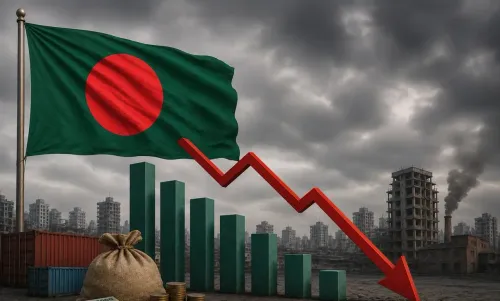
Patients in Bangladesh pay 79.31 per cent of total healthcare costs directly from their own pockets, according to World Bank data.
Diabetes, cancer, and heart disease account for approximately 71 per cent of all deaths in Bangladesh.
A WHO report published on 20 October 2025 found that income, education, and location determine health outcomes within countries.
Rural communities face reduced access to blood pressure checks; disadvantaged women receive less cervical cancer screening.
Experts call for affordable essential medicines, community-level care, and financial protection mechanisms to prevent families from sacrificing food or education for medical bills.
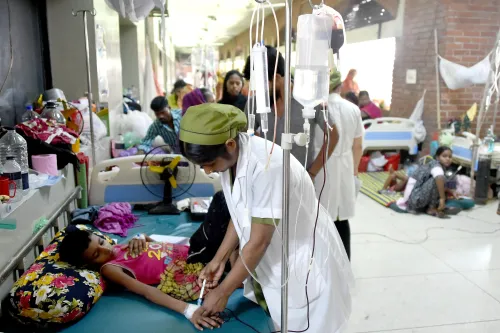
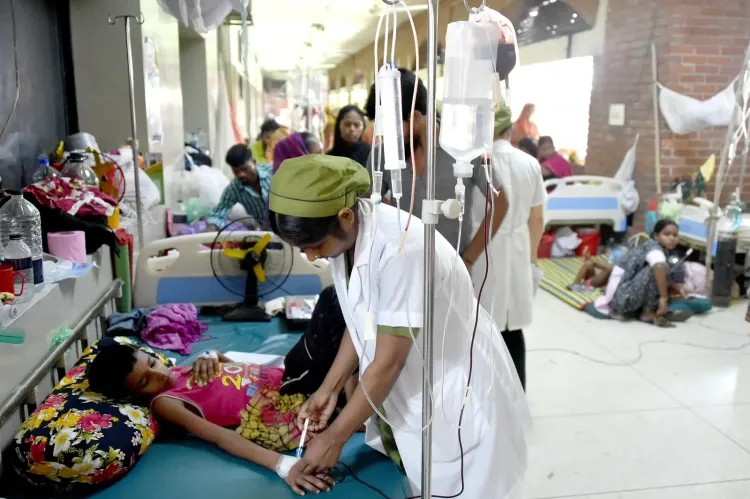
Millions of people in Bangladesh are unable to afford basic healthcare, with the cost of a blood pressure test, a month's supply of diabetes medicine, or a trip to the nearest hospital pushing many households into financial crisis, according to a report by Dhaka-based The Daily Star citing a World Health Organisation (WHO) study published on 20 October 2025.
The Scale of the Crisis
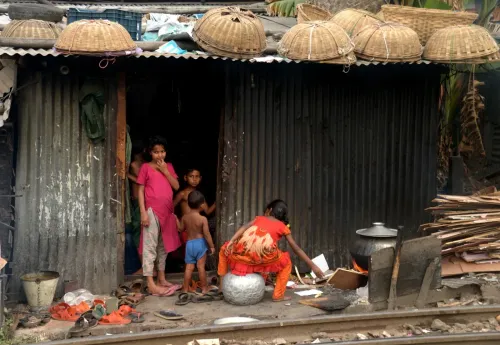
The WHO report, which examines health inequalities within countries worldwide, lays bare a troubling reality: where a person lives, how much they earn, and how far they have studied can determine their chances of staying healthy and receiving timely treatment. In Bangladesh, non-communicable diseases such as diabetes, cancer, and heart disease account for approximately 71 per cent of all deaths. Yet patients are left to shoulder a staggering 79.31 per cent of total healthcare costs directly from their own pockets, according to World Bank figures cited in the source material.
Who Gets Left Behind
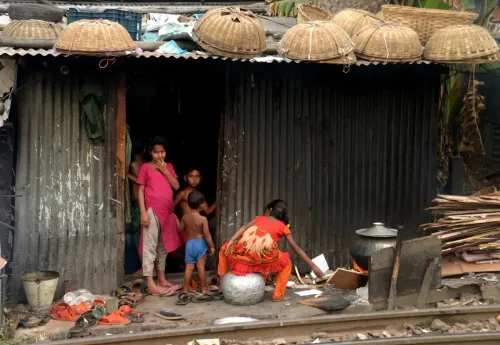
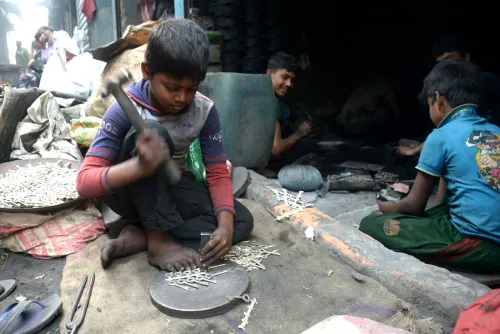
The WHO findings reveal that disadvantaged communities bear a disproportionately high burden of disease while facing the greatest barriers to care. People in rural areas have fewer opportunities to check and treat high blood pressure. Disadvantaged women are less likely to receive screening for cervical cancer. The report underscores that structural inequalities — not individual lifestyle choices — drive much of this gap.
Notably, the report cautions that simply advising people to eat better, exercise more, or visit doctors regularly cannot resolve problems that are rooted in poverty and severely limited access to services.
What Experts Say Needs to Change
Health experts cited in the report argue that disease prevention is only half the battle. Ensuring affordable and continuous treatment is equally critical. For Bangladesh, this translates into making blood pressure and diabetes checks more accessible, keeping essential medicines reliably available, and strengthening healthcare delivery closer to communities — particularly at the primary care level.
Financial protection is identified as a cornerstone of reform, so that families are not forced to sacrifice food, education, or other necessities to pay medical bills. Health authorities are urged to look beyond national averages and identify which communities are being most severely left behind.
The Bigger Picture
This comes amid a broader global concern over catastrophic health expenditure in lower-middle-income countries. Bangladesh's out-of-pocket health spending ratio of nearly 80 per cent is among the highest in South Asia, making the case for urgent investment in public health infrastructure and universal health coverage. Comparable structural challenges have been documented in parts of sub-Saharan Africa and Southeast Asia, where income, geography, and education similarly predict health outcomes.
The report concludes that a healthier Bangladesh will not be measured by hospitals built or awareness campaigns launched — its real benchmark will be whether every citizen, regardless of income, education, or address, has a fair chance to live a healthy life.
Point of View
Every chronic illness becomes a potential economic catastrophe. What the WHO report surfaces, and what mainstream coverage often understates, is that Bangladesh's health crisis is inseparable from its inequality crisis. Awareness campaigns and hospital construction targets are visible, politically convenient interventions; overhauling primary care financing and drug pricing is not. Until health authorities are held accountable for financial protection outcomes — not just infrastructure metrics — the gap between national health averages and the lived reality of rural and low-income Bangladeshis will continue to widen.
NationPress
1 Nov 2026
Frequently Asked Questions
What does the WHO report say about healthcare in Bangladesh?
The WHO report, published on 20 October 2025, reveals that health outcomes in Bangladesh are heavily shaped by income, education level, and geographic location. It highlights that disadvantaged communities face greater disease risk and more barriers to diagnosis and treatment, while patients collectively pay 79.31 per cent of healthcare costs out of their own pockets.
What percentage of healthcare costs do Bangladeshis pay themselves?
According to World Bank figures cited in the report, patients in Bangladesh pay 79.31 per cent of total healthcare costs directly from their own pockets — one of the highest out-of-pocket ratios in South Asia. This forces many families to choose between medical care and basic necessities like food and education.
Which diseases are the biggest killers in Bangladesh?
Non-communicable diseases — including diabetes, cancer, and heart disease — account for approximately 71 per cent of all deaths in Bangladesh. The WHO report notes that poorer communities face both higher exposure to these conditions and greater difficulty accessing treatment.
Why can't awareness campaigns alone fix Bangladesh's health crisis?
Experts cited in the report argue that advising people to eat better or visit doctors more often cannot address problems rooted in poverty and structural lack of access. Without affordable medicines, accessible diagnostic services, and financial protection mechanisms, health awareness has limited impact on outcomes for low-income or rural populations.
What reforms are being recommended for Bangladesh's healthcare system?
The report calls for making blood pressure and diabetes checks more accessible, ensuring essential medicines remain available and affordable, and expanding primary healthcare services closer to communities. It also stresses that financial protection must be built into the system so families do not have to sacrifice food or education to pay medical bills.