Bangladesh education crisis: 51% kids can't read, underfunding persists
Synopsis
Bangladesh has achieved near-universal school enrolment — and then failed at the harder task. World Bank data shows 51% of its children cannot read by the end of primary school, public spending on education sits below 2% of GDP against a UNESCO benchmark of 4–6%, and the gap between today's classroom failure and tomorrow's workforce crisis is precisely one generation.
Key Takeaways
The World Bank's 2024 estimate found that 51% of Bangladeshi children cannot read an age-appropriate text by the end of primary school.
Bangladesh spends approximately 2% of GDP or less on education — well below the 4–6% benchmark set by UNESCO's Education 2030 framework.
The crisis spans exam cheating, rote-learning curricula, weak vocational training, politicised universities, and chronic underfunding — all symptoms of the same structural failure, according to a Daily Star editorial.
Despite the learning deficit, near-universal school enrolment means the access problem has been largely solved; quality is now the critical challenge.
The report warns that a poorly educated child in 2026 will be in the workforce by 2050 , and that skills shortages — unlike factories — cannot be repaired quickly.
Bangladesh has largely failed to transform its education system into a genuine vehicle for building capability and character, according to a report citing a Daily Star editorial. Despite near-universal school enrolment, the country's classrooms are producing alarming learning deficits — a crisis that experts warn will compound into an economic reckoning within a generation.
The Learning Crisis by the Numbers
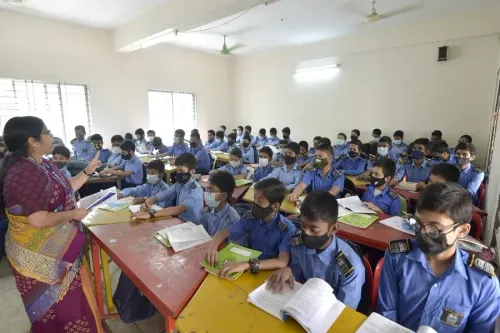
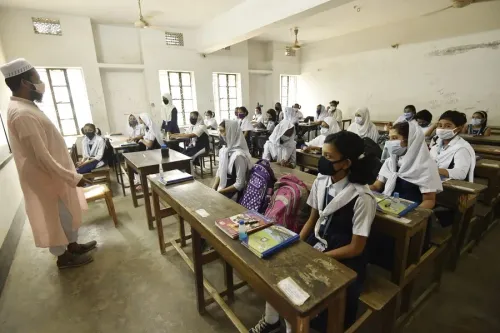
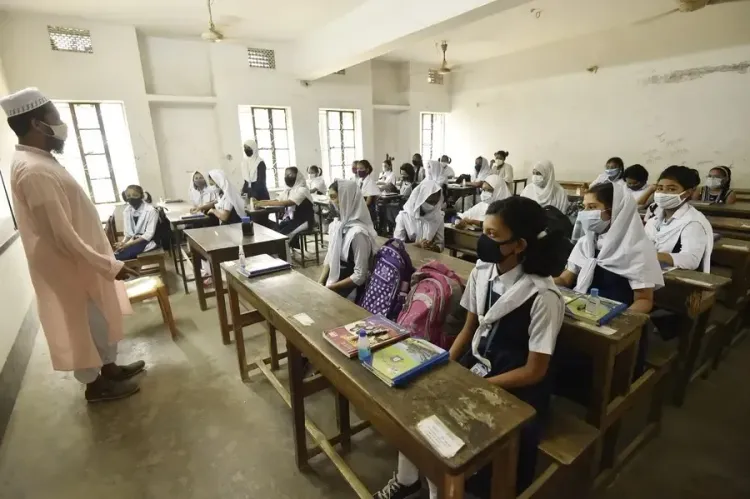
Citing the World Bank's 2024 estimate, the report flagged that 51 per cent of Bangladeshi children are unable to read and understand an age-appropriate text by the end of primary school. The figure is particularly stark because it is not a crisis of access — almost all children in Bangladesh are enrolled in school. As the editorial put it: 'This is no longer a country failing to reach its children; it is a country reaching them and failing to teach most of them adequately.'
Chronic Underfunding Falls Short of Global Benchmarks
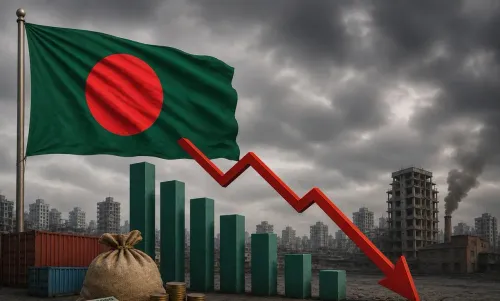
Public spending on education in Bangladesh has remained at approximately 2 per cent of GDP or less for years — far below the 4–6 per cent benchmark recommended under UNESCO's Education 2030 framework. The report noted that money alone cannot fix poor governance or a defective curriculum, but equally, no country builds excellent teachers, modern laboratories, or competitive universities on minimal financing. 'Bangladesh has to spend more and spend better — both, not either,' the editorial stated.
Systemic Failures, Not Isolated Incidents
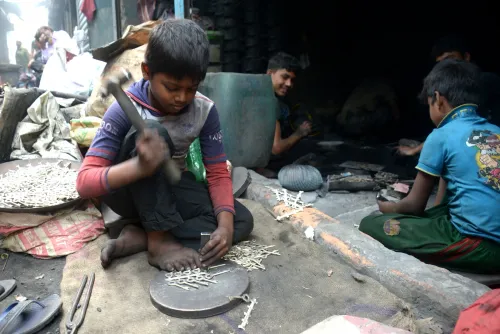
The crisis is often portrayed as a collection of disconnected problems: rampant exam cheating, curricula that reward rote memorisation over critical thinking, weak technical and vocational training, politicised universities, and chronically underfunded classrooms. According to the report, these are not separate failures but recurring symptoms of the same underlying structural weakness. The country has made measurable progress on the access problem — now learning quality is the harder challenge it has yet to confront.
The Generational Cost
The editorial drew a stark generational chain of consequences: a poorly educated child in 2026 will be in the prime of their working life in 2050. 'Today's struggling primary-school student, tomorrow's underqualified technician; today's rote-taught vocational student, tomorrow's productivity ceiling; today's politicised university, tomorrow's hollow research base,' the report warned. It further noted that skills shortages — unlike factories or regulations — cannot be remedied quickly. 'Human capability takes a generation, and Bangladesh does not have a spare one,' it added.
What Needs to Change
The report argued that all these failures converge on one economic reality: Bangladesh is failing to build human capability fast enough to sustain its economic ambitions. Analysts broadly agree that meaningful reform requires simultaneously raising education spending, depoliticising university governance, restructuring curricula around critical thinking, and strengthening teacher training — a multi-front challenge that no single administration has yet attempted at scale.
Point of View
But the deeper problem is that even what is spent is poorly governed: politicised universities, rote curricula, and undertrained teachers are not primarily funding failures. Bangladesh's economic trajectory — garment-led export growth, demographic dividend, infrastructure expansion — creates an illusion of resilience that may mask the human-capital deficit until it becomes irreversible. By the time today's unequipped primary-school child enters the labour market in the 2040s, the window for a corrective generation will have closed.
NationPress
19 Sept 2026
Frequently Asked Questions
What does the World Bank say about learning outcomes in Bangladesh?
The World Bank's 2024 estimate found that 51 per cent of Bangladeshi children are unable to read and understand an age-appropriate text by the end of primary school. This is especially alarming because nearly all children in Bangladesh are enrolled in school, meaning the failure is one of teaching quality rather than access.
How much does Bangladesh spend on education compared to global benchmarks?
Bangladesh allocates approximately 2 per cent of GDP or less to public education spending, well below the 4–6 per cent benchmark recommended by UNESCO's Education 2030 framework. Analysts argue the country must both increase spending and improve governance to see meaningful results.
What are the main problems identified in Bangladesh's education system?
The report identifies several interlinked failures: exam cheating, curricula focused on memorisation rather than critical thinking, weak vocational and technical training, politicised universities, and chronic underfunding. These are described not as isolated issues but as recurring symptoms of the same underlying structural weakness.
Why does this matter for Bangladesh's economic future?
A child poorly educated in 2026 will be in the prime of their working life by 2050, creating a generational lag in workforce capability. The report warns that skills shortages, unlike factories or policy regulations, cannot be fixed quickly — human capability takes a generation to build, and the window for correction is narrowing.
Has Bangladesh made any progress on education at all?
Yes — Bangladesh has achieved near-universal school enrolment, which represents significant progress on the access challenge. However, the report notes that learning quality is the harder and as yet unmet challenge, making the current situation one where children are reached but not adequately taught.