BLA intensifies Balochistan offensive as Pakistan faces multi-front security crisis
Synopsis
The BLA's killing of 11 Pakistani security personnel — including a Major — during an active intelligence operation in Chamalang is more than a tactical strike; it is a signal of structural collapse. With Iranian oil smuggling halted, economic despair accelerating BLA recruitment, and Pakistan simultaneously managing Iran border tensions, Islamabad's counterinsurgency capacity in Balochistan is under its most serious stress in years.
Key Takeaways
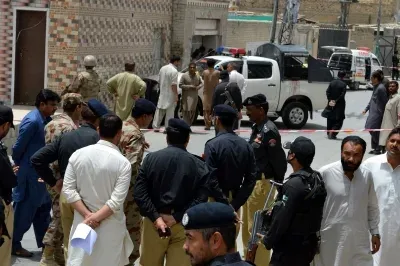
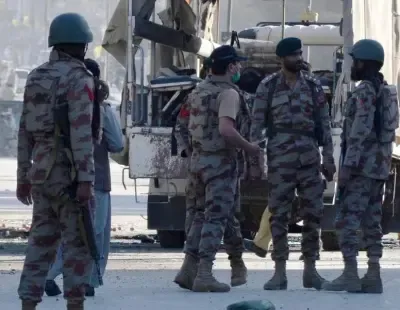
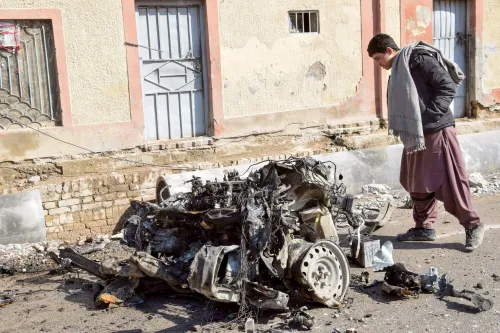
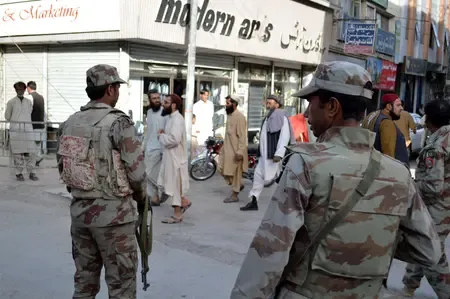
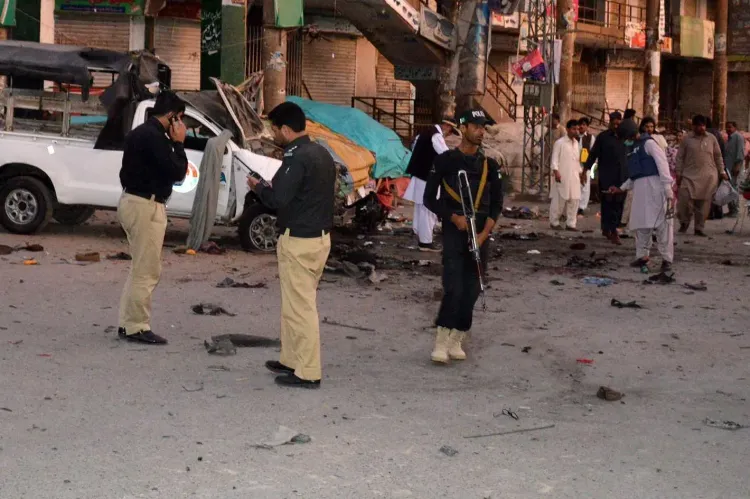
The BLA killed 11 Pakistani security personnel , including Major Tausif , in an attack in the Chamalang area while forces were conducting an intelligence-gathering operation.
Indian intelligence assessments indicate BLA attacks are likely to increase in scale and frequency in the coming months.
The BLA has reportedly expanded recruitment significantly, drawing in youth amid economic distress and perceived neglect by the Pakistani establishment.
The halt to Iranian oil smuggling — a key livelihood for many Baloch residents — has worsened economic hardship and fuelled further resentment.
Officials say Pakistan has attempted to use Lashkar-e-Taiba and ISKP against the BLA, but these groups have reportedly failed to match the BLA's operational strength.
Future BLA operations are expected to target senior Pakistani security officials in addition to rank-and-file soldiers, according to intelligence assessments.
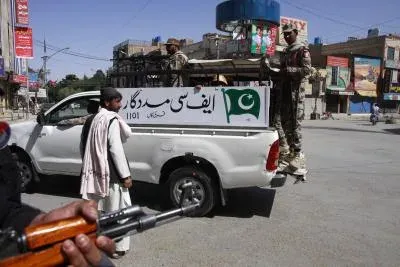
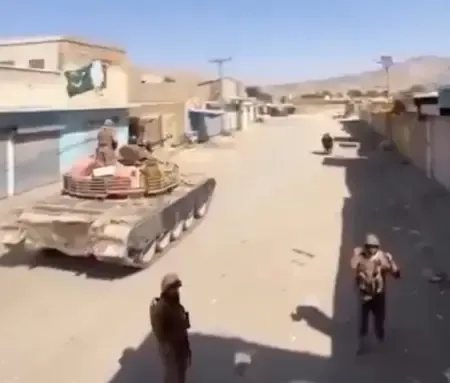
The Balochistan Liberation Army (BLA) has sharply escalated its campaign against Pakistani security forces, with intelligence assessments suggesting attacks are likely to intensify further in the coming months. Indian security officials say Pakistan is simultaneously grappling with tensions along its Iran frontier, stretching its security apparatus across multiple theatres.
Key Developments on the Ground
The BLA's growing operational tempo was most starkly demonstrated in the Chamalang area attack, where 11 security personnel — including Major Tausif of the Pakistan Army, who was leading an intelligence-gathering operation — were killed. According to reports, the BLA struck while Pakistani forces were actively engaged in intelligence collection, pointing to what officials describe as a serious lapse in the security network.
An official said, 'Public support for the group was one factor behind the failure, while another was Pakistan's attempt to handle multiple security challenges at the same time.' The divided focus, the official added, has stretched forces thin and contributed to mounting casualties.
Recruitment Surge and Tactical Advantage
The BLA is believed to have significantly expanded its recruitment, drawing in large numbers of young people amid economic distress, security deterioration, and what locals describe as prolonged neglect by the Pakistani establishment. Officials note that BLA cadres have been trained extensively in local terrain — an advantage Pakistani security personnel, many of whom are unfamiliar with Balochistan's difficult geography, reportedly lack.
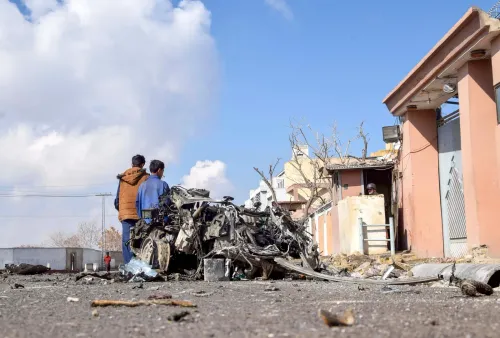
The group has also invested in modernising its weaponry and is expected to rely increasingly on coordinated assaults backed by improvised explosive devices. According to officials, future operations could be 'more ambitious in scale, posing a tougher challenge for the Pakistani security forces.'
Economic Collapse Fuelling Discontent
For years, the smuggling of Iranian oil served as a critical livelihood source for many residents of Balochistan, a region where formal economic opportunities are scarce. Locals and observers say the activity expanded largely because of what they describe as systematic neglect by the Pakistani establishment and the perception that the region's natural resources have been exploited without adequate benefits reaching local communities.
The ongoing conflict in Iran has brought cross-border oil smuggling to a near-standstill, triggering soaring prices and acute hardship across the region. Analysts say the Pakistani establishment has largely responded with intensified security measures rather than economic relief — a response critics argue has deepened resentment and accelerated BLA recruitment.
Intelligence Failures and Strategic Miscalculations
Intelligence operations across several parts of Balochistan are said to be facing serious difficulties amid growing local hostility towards the Pakistani state. Officials say this has complicated counterinsurgency efforts considerably. Indian intelligence agencies have reportedly assessed that the BLA may increasingly shift its targeting toward senior security officials, rather than limiting strikes to rank-and-file soldiers — a move intended, according to an Intelligence Bureau official, to 'send a stronger message to the Pakistani establishment.'
The same official claimed that Pakistan has attempted to deploy groups such as Lashkar-e-Taiba and Islamic State Khorasan Province (ISKP) to bolster its fight against the BLA, but that these groups have so far been unable to match the BLA's operational capacity or the popular support it draws from sections of the Baloch population.
What Comes Next
Officials believe the BLA will build on the momentum of the Chamalang strike, with more large-scale operations expected in the months ahead. The convergence of economic collapse, intelligence failures, and a multi-front security burden leaves Islamabad with limited room to manoeuvre in Balochistan — and analysts warn the situation could deteriorate further before any stabilisation becomes possible.
Point of View
And the results are now visible in its casualty count. What is underreported is the economic dimension: the collapse of Iranian oil smuggling has removed a pressure valve that the Pakistani state never officially acknowledged but tacitly tolerated. The BLA's recruitment surge is, in part, the direct consequence of that economic vacuum. Deploying Lashkar-e-Taiba and ISKP alongside regular forces — if the intelligence assessment is accurate — would mark a dangerous escalation in the state's toolkit, one that risks importing new extremist dynamics into an already volatile region.
NationPress
19 Sept 2026
Frequently Asked Questions
What happened in the Chamalang attack in Balochistan?
The BLA attacked Pakistani security forces in the Chamalang area while they were conducting an intelligence-gathering operation, killing 11 personnel including Major Tausif of the Pakistan Army, who was leading the mission. Officials described the strike as evidence of a serious lapse in Pakistan's intelligence network in the region.
Why is the BLA's recruitment reportedly increasing?
The BLA's recruitment is believed to have grown due to a combination of economic distress, security deterioration, and widespread Baloch grievances over the perceived exploitation of the region's resources without adequate local benefit. The halt to Iranian oil smuggling — a key livelihood for many residents — has further deepened hardship and resentment.
How has the situation along the Iran border affected Balochistan?
Tensions involving Iran have added to Pakistan's security burden and disrupted cross-border oil smuggling that many Baloch residents depended on for income. The resulting economic shock has contributed to rising discontent and, according to officials, accelerated BLA recruitment in border areas.
What tactics is the BLA expected to use in future attacks?
Officials say the BLA is expected to carry out more coordinated, large-scale assaults backed by improvised explosive devices, and may increasingly target senior Pakistani security officials rather than only rank-and-file soldiers. Future operations are assessed to be 'more ambitious in scale' than previous strikes.
Has Pakistan sought outside help to counter the BLA?
According to Indian intelligence assessments, Pakistan has reportedly attempted to deploy groups including Lashkar-e-Taiba and Islamic State Khorasan Province to support its fight against the BLA. However, officials claim these groups have so far been unable to match the BLA's operational strength or the popular support it draws from sections of the Baloch population.