Balochistan Liberation Front Claims Responsibility for Dual Assaults on Pakistani Forces
Synopsis
The Balochistan Liberation Front has taken credit for two attacks against Pakistani security forces in Turbat and Panjgur, causing casualties and significant infrastructural damage. This escalation of violence comes amid strict curfews in the region, impacting thousands and exacerbating humanitarian needs.
Key Takeaways
BLF's Dual Attacks: The Balochistan Liberation Front executed two significant attacks against Pakistani forces.
Casualties Reported: The assaults led to multiple fatalities and injuries among security personnel.
Humanitarian Crisis: A curfew in Khuzdar has restricted movement, impacting access to essential supplies.
Local Response: Residents are demanding the lifting of curfews for humanitarian reasons.
Ongoing Conflict: The situation in Balochistan remains tense amid rising violence.
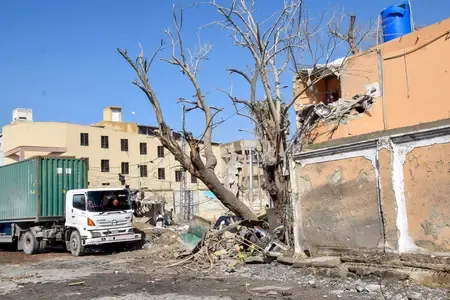
Quetta, March 4 (NationPress) The Balochistan Liberation Front (BLF) executed two separate assaults aimed at Pakistani security personnel in the Turbat and Panjgur regions of Balochistan, leading to both casualties and damage to infrastructure, as reported by local news outlets on Wednesday.
According to a statement from BLF spokesperson Major Gwahram Baloch, the fighters targeted intelligence offices within the Pakistan Frontier Corps (FC) headquarters located in the Chitkan area of Panjgur on Tuesday. They reportedly fired nine rounds from a grenade-launcher at the facility.
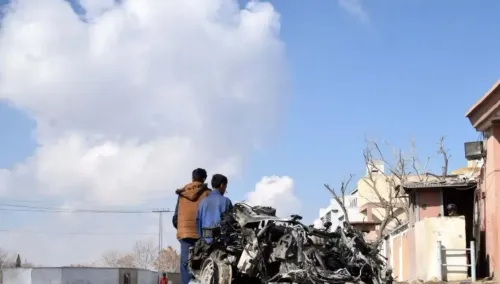
This attack resulted in significant casualties and considerable destruction.
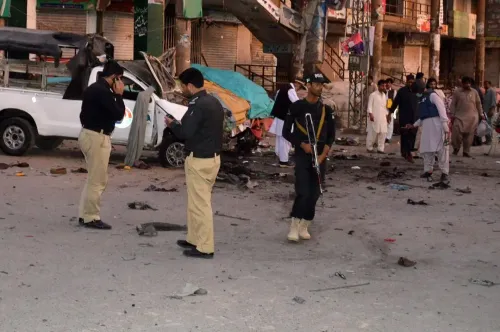
In another incident, the BLF spokesperson indicated that the group ambushed a convoy of Pakistani forces, which included two vehicles and motorcycles, in the Absar region of Turbat.
The convoy was struck by an improvised explosive device (IED) while traveling through the Kohda Yousaf locality, as reported by The Balochistan Post.
The spokesperson claimed that the remote-controlled bomb destroyed one military vehicle, resulting in the deaths of three Pakistani security personnel and injuries to two others.
Moreover, he alleged that Pakistani security forces opened fire indiscriminately in the vicinity, causing distress to local civilians following the explosion.
The BLF took responsibility for both the IED attack on the military convoy in Absar and the grenade-launcher assault on the intelligence office within the FC headquarters in Chitkan.
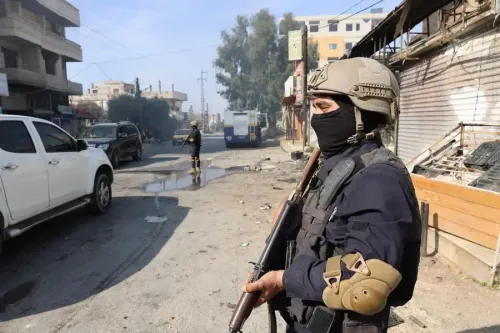
In a separate development, the Pakistani military has enforced a curfew in the Zehri area of Khuzdar district in Balochistan, which has resulted in the closure of markets, businesses, and public transportation, severely restricting movement.
This lockdown has left thousands of residents confined to their homes, leading to major disruptions in daily life.
Local sources, as reported by The Balochistan Post, noted that the curfew has caused an acute shortage of essential food items such as flour, milk, vegetables, and medicines, particularly affecting daily wage workers reliant on steady employment for their livelihood.
Residents are urging the Pakistani authorities to lift the curfew on humanitarian grounds, especially during the sacred month of Ramadan, to ensure access to basic necessities and freedom of movement.
According to locals, the movement restrictions are preventing patients from reaching hospitals for necessary medical treatment.
Reports suggest that the Zehri area had previously endured a month-long curfew during which drone strikes resulted in casualties and property damage, instilling fear among the community.
Additionally, reports indicate that a curfew remains in effect in the Noshki district, with residents continuing to experience considerable challenges due to the ongoing restrictions.
Point of View
It's evident that the situation in Balochistan is rapidly deteriorating due to the ongoing violence and military responses. The dual attacks by the BLF highlight the ongoing conflict in the region, while the curfews imposed by Pakistani authorities raise serious humanitarian concerns for the affected civilian population.
NationPress
26 Sept 2026
Frequently Asked Questions
What attacks did the BLF claim responsibility for?
The BLF claimed responsibility for two attacks targeting Pakistani security forces in Turbat and Panjgur, including an IED attack on a military convoy and a grenade-launcher assault on intelligence offices.
What impact has the curfew had on residents?
The curfew has led to the closure of markets and businesses, restricting movement and causing significant shortages of essential food items and medical supplies for the local population.
How are residents responding to the curfew?
Residents are calling on authorities to lift the curfew on humanitarian grounds, especially during Ramadan, to allow access to basic needs and medical care.
What is the current situation in Khuzdar district?
The Khuzdar district is under curfew, which has significantly disrupted daily life and created challenges for residents seeking medical assistance.
What were the consequences of the BLF's attacks?
The attacks resulted in casualties among Pakistani security personnel and extensive damage to military infrastructure.