Cambodia PM Hun Manet calls for stronger disaster management amid climate threats

Synopsis
With floods having hit 60,000 families and wiped out 72,000 hectares of rice in a single month, Cambodia's PM Hun Manet is signalling that routine emergency response is not enough — his National Disaster Management Day directives call for a structural overhaul of flood and drought systems, household-level preparedness, and stronger safety nets for the country's most vulnerable citizens.
Key Takeaways
PM Hun Manet declared disaster management a core national priority in his message on 13 October 2026 .
Recent flooding across 10 provinces affected nearly 60,000 families and forced around 5,000 families to evacuate.
Floodwaters inundated roughly 52,000 homes and damaged more than 72,000 hectares of rice paddies.
The prime minister directed authorities to upgrade local water infrastructure and prioritise flood and drought management .
Citizens were urged to build household emergency kits including clean water, dry food, medicine, a radio, and vital documents.
Special protection was called for children, the elderly, people with disabilities, and pregnant women during emergencies.
Cambodian Prime Minister Hun Manet on Tuesday, 13 October 2026 issued a strong call for authorities to treat disaster management as a national priority, urging a significant boost in human and material resources to counter escalating climate change risks. The statement came in an official message marking National Disaster Management Day, which this year coincided with both the ASEAN Day for Disaster Management and the International Day for Disaster Risk Reduction.
The Warning from Phnom Penh
Hun Manet cautioned that the world is confronting increasingly complex and rapidly evolving disaster risks driven by environmental, social, and economic pressures. 'Climate change, rapid urbanisation, and environmental degradation pose serious threats to sustainable social and economic development,' he said in his message.
The prime minister noted that Cambodia continues to face a wide range of extreme weather events, including rising temperatures during the rainy season, erratic rainfall, strong winds, lightning strikes, riverbank collapses, infectious diseases, and fires — all of which endanger lives and damage community property.
Key Directives to Authorities
Hun Manet directed authorities at all levels to make flood and drought management a top operational priority. He specifically called for upgrades to local water infrastructure and enhanced monitoring of vulnerable households to build stronger climate resilience across the country.
Beyond government action, the prime minister urged citizens to take personal responsibility by developing household-level 'safety and preparedness plans.' These plans, he suggested, should include assembling home emergency kits stocked with clean water, dry food, medicine, a radio, and vital documents. Residents were also advised to inspect and reinforce their homes against wind and lightning damage.
Protecting Vulnerable Populations
Hun Manet placed particular emphasis on safeguarding the most at-risk segments of society during emergencies — specifically children, the elderly, people with disabilities, and pregnant women. He advocated for increased public investment in housing resilience for vulnerable families, arguing that robust social safety nets, adequate shelter, and timely access to risk information are essential to sustaining the nation's economic growth.
Scale of Recent Flooding
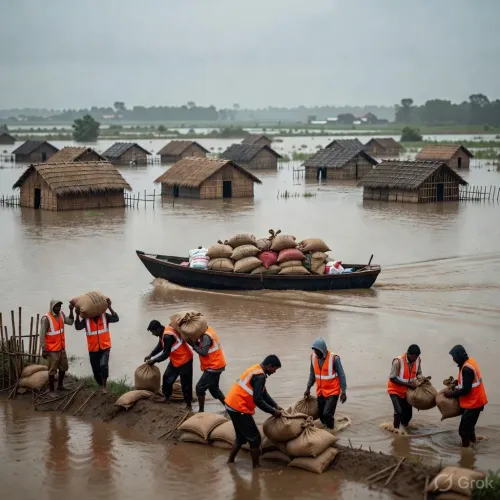
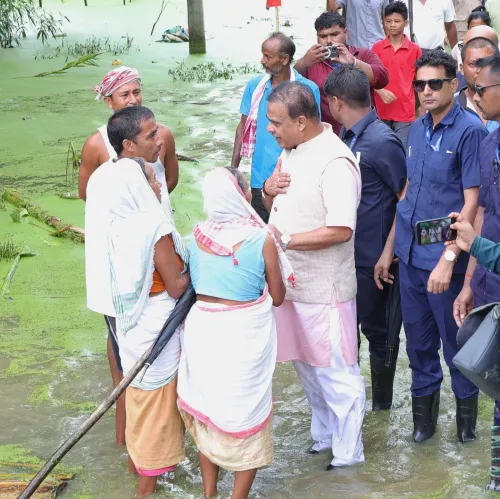
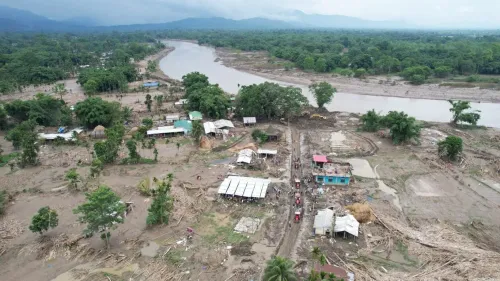
The urgency of the prime minister's message is underscored by recent ground realities. According to data from the National Committee for Disaster Management (NCDM), heavy rainfall last month triggered severe flooding across portions of 10 provinces, directly affecting nearly 60,000 families and forcing approximately 5,000 families to evacuate to designated safe areas.
The floodwaters inundated roughly 52,000 homes and damaged more than 72,000 hectares of rice paddies — a blow to both food security and rural livelihoods. This comes amid a broader regional pattern of increasingly erratic monsoon behaviour linked to climate variability across Southeast Asia.
What Comes Next
Cambodia's call for systemic reform in disaster preparedness reflects a growing consensus across ASEAN nations that conventional emergency response frameworks are no longer adequate for the pace and scale of climate-driven shocks. The prime minister's directives signal a push toward integrating community-level resilience into national climate adaptation strategies. How quickly local governments can implement infrastructure upgrades and household outreach programmes will determine the country's preparedness for the next monsoon cycle.
Point of View
000 hectares of rice paddies in a single month is not just a humanitarian statistic; it is a food security alarm for a country where agriculture remains a primary livelihood. The directive to build household 'safety and preparedness plans' is pragmatic, but it also reveals the limits of state capacity: when governments ask families to stock their own emergency kits, it signals that last-mile resilience cannot yet be guaranteed from the top down. The real test will come in whether the infrastructure upgrade directives translate into funded projects before the next monsoon — or remain aspirational language on a commemorative occasion.
NationPress
13 Oct 2026
Frequently Asked Questions
What did Cambodia PM Hun Manet announce on National Disaster Management Day?
On 13 October 2026, Hun Manet urged all government authorities to treat disaster management as a core priority, calling for stronger human and material resources to address rising climate risks. He also directed authorities to upgrade water infrastructure and issued household preparedness guidance to citizens.
How severe was the recent flooding in Cambodia?
According to data from the National Committee for Disaster Management (NCDM), heavy rainfall last month caused flooding across 10 provinces, affecting nearly 60,000 families and forcing approximately 5,000 families to evacuate. The floods also inundated around 52,000 homes and damaged more than 72,000 hectares of rice paddies.
What climate threats does Cambodia currently face?
Cambodia faces a range of climate-driven hazards including rising temperatures during the rainy season, erratic rainfall, strong winds, lightning strikes, riverbank collapses, infectious diseases, and fires. Hun Manet warned these threats are becoming more complex and fast-evolving due to environmental, social, and economic pressures.
What household preparedness measures did Hun Manet recommend?
The prime minister urged Cambodian families to develop 'safety and preparedness plans' that include assembling emergency kits with clean water, dry food, medicine, a radio, and vital documents. He also advised residents to reinforce their homes against wind and lightning and to pay special attention to the safety of children, the elderly, people with disabilities, and pregnant women.
Why is Cambodia's disaster management push significant for ASEAN?
The announcement coincided with both ASEAN Day for Disaster Management and the International Day for Disaster Risk Reduction, highlighting a shared regional urgency. Cambodia's call for systemic reform reflects a growing consensus across Southeast Asia that existing emergency frameworks are inadequate for the accelerating pace of climate-driven disasters.