Are Catholic Bishops Challenging the Moral Basis of US Foreign Policy?
Key Takeaways
The bishops criticized the moral foundations of US foreign policy.
They invoked Pope Leo XIV's teachings as an ethical guide.
Military action should be a last resort, not a standard policy tool.
Solidarity among nations and human dignity are essential considerations.
The statement reflects a rare collaboration among Catholic leaders regarding international responsibility.
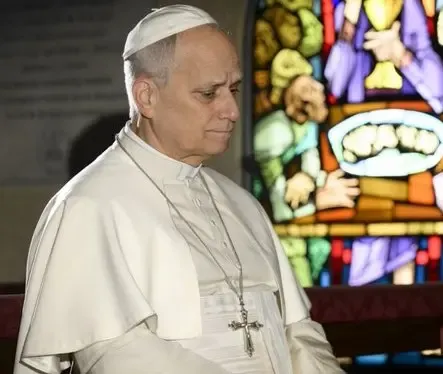
Washington, Jan 20 (NationPress) - In a rare collaborative statement, three prominent Catholic leaders in the United States are openly questioning the ethical principles underpinning the current US foreign policy. They invoke the teachings of Pope Leo XIV and caution that an increasing dependence on military force may lead to intensified global conflicts.
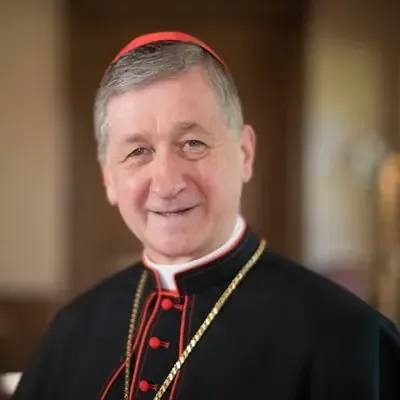
Cardinal Blase J. Cupich, Cardinal Robert W. McElroy, and Cardinal Joseph W. Tobin assert that the nation is facing its most profound discourse on the ethics of its international actions since the conclusion of the Cold War. They reference recent situations in Venezuela, Ukraine, and Greenland as raising critical issues regarding war, peace, and national interests.
Originating from Chicago, Washington, and Newark, their statement evaluates US foreign policy against the moral guidelines outlined by Pope Leo XIV in his January 9 address to diplomats accredited to the Holy See, labeling that address as an “enduring ethical compass” for US diplomacy in the future.
“As pastors charged with instructing our community, we cannot remain passive while choices are made that condemn countless individuals to lives on the brink of survival,” stated Cupich. “Pope Leo has provided us with clear guidance, and it's imperative that we apply his teachings to the actions of our nation and its leaders.”
McElroy emphasized that Catholic social doctrine requires a broader understanding of national interest. “Catholic social teaching affirms that when the conception of national interest excludes the moral necessity of solidarity among nations and the dignity of the human person, it leads to tremendous suffering and a devastating blow to the just peace desired by every nation and the will of God,” he remarked.
He added that neglecting this truth in the ongoing discussions about US foreign policy comes “at the expense of our nation’s genuine interests and the finest traditions of this beloved land.”
Tobin highlighted recent talks among church leaders in Rome as reinforcing the urgency of Pope Leo’s message.
“Recent occurrences, including participation in last week’s consistory in Rome with Pope Leo and fellow cardinals from around the globe, convince me of the necessity to emphasize Pope Leo’s vision for just and peaceful relations between nations,” he stated, warning that “growing threats and armed conflicts could devastate international relations and subject the world to unimaginable suffering.”
In their full statement, titled Charting A Moral Vision of American Foreign Policy, the cardinals indicated that multilateralism is diminishing and being supplanted by a diplomacy “predicated on force,” with “war back in style and a fervor for warfare spreading.”
They referenced Pope Leo’s caution that the post-World War II principle against nations violating borders through force has been “entirely undermined,” adding that peace is increasingly sought “through weaponry as a means to assert one’s own dominance.”
The cardinals also reiterated Pope Leo’s affirmation of Catholic teaching that “the safeguarding of the right to life forms the fundamental basis for all other human rights,” highlighting his critiques of abortion and euthanasia as well as his concerns regarding reductions in humanitarian aid from affluent nations.
They noted the Pope’s attention to “rising breaches of conscience and religious freedom” occurring in the name of ideological or religious purity.
“As pastors and citizens, we wholeheartedly support this vision for crafting a truly moral foreign policy for our nation,” the statement declared. The cardinals insisted that military action should be regarded “only as a last resort in extreme situations, not as a standard tool of national policy,” advocating for a foreign policy that promotes human life, religious freedom, and human dignity, particularly through economic aid.
They remarked that the national discourse regarding America’s ethical role in the world has been marred by polarization and partisanship, yet noted that Pope Leo has provided “the lens through which to elevate it to a much more profound level.” The cardinals expressed their commitment to “preach, teach, and advocate in the forthcoming months to make that elevated level achievable.”
This intervention is notable for its joint authorship and direct engagement in US foreign policy discussions, reflecting the impact of Catholic social teaching on matters of war, peace, and international obligations.
The Catholic Church has long prioritized multilateral cooperation, civilian protection, and restrictions on military force following just-war principles.
Point of View
I believe that the concerns raised by the Catholic leaders are not just religious sentiments but a crucial reminder of the moral responsibilities that accompany foreign policy decisions. Their emphasis on solidarity and human dignity resonates with the need for a more ethical approach in international relations. The call for a reevaluation of America's role in the world is timely and essential.
NationPress
30 Sept 2026
Frequently Asked Questions
What did the Catholic bishops say about US foreign policy?
The bishops expressed deep concerns regarding the moral basis of US foreign policy and warned against an over-reliance on military force, emphasizing the teachings of Pope Leo XIV.
Who are the bishops involved in the statement?
The statement was jointly issued by Cardinal Blase J. Cupich, Cardinal Robert W. McElroy, and Cardinal Joseph W. Tobin.
What principles did they reference?
They referenced the principles set forth by Pope Leo XIV, particularly regarding the importance of human dignity and the right to life.
Why is this statement significant?
The statement is significant as it reflects a rare joint effort among Catholic leaders to address pressing moral issues in US foreign policy, emphasizing the need for a more ethical approach.
What is the call to action from the bishops?
The bishops are calling for a foreign policy that prioritizes human dignity, religious liberty, and economic assistance, treating military action as a last resort.