Growing Concerns in the US Regarding Iran Conflict Strategy and Consequences
Synopsis
As tensions rise between the U.S. and Iran, leaders are questioning the justification and strategy behind the conflict, emphasizing economic impacts and the need for diplomacy. Archbishop Timothy Broglio and Maryland Governor Wes Moore voice their concerns over moral implications and the potential for another prolonged military engagement.
Key Takeaways
Concerns over the justification of the U.S.-Iran conflict are growing.
Archbishop Broglio calls for diplomatic solutions.
Governor Moore links the conflict to rising energy prices.
Issues of moral injury among troops are being addressed.
The need for clear objectives and international coalition is emphasized.
Washington, April 5 (NationPress) On Sunday, U.S. political and religious figures expressed serious concerns regarding the ongoing conflict with Iran. They scrutinized its justification, strategic approach, and economic ramifications as tensions escalate.
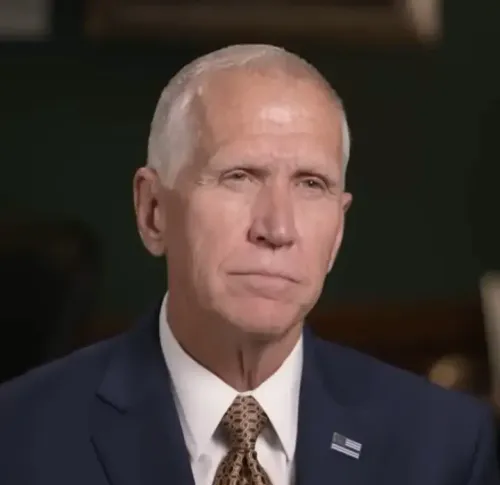
Archbishop Timothy Broglio, who oversees Catholic chaplains for U.S. military personnel, remarked that the conflict does not satisfy the criteria for a “just war.” He cautioned that it seems to be preemptively addressing a threat that has not yet materialized.
In an interview on CBS’ Face the Nation, Broglio supported the call for diplomatic solutions, emphasizing that lives are being lost on both sides, including among U.S. troops. He advised service members facing moral dilemmas to minimize harm and strive to protect innocent lives.
The archbishop also noted the dangers of framing this conflict in religious terms, describing it as potentially problematic to consider the war divinely justified and hard to portray as endorsed by a higher power.
He highlighted rising worries about “moral injury” among military personnel, suggesting that even lawful combat can leave lasting emotional scars. This has led to initiatives within military chaplaincy aimed at supporting personnel in coping with the psychological toll of warfare.
Concerns also surfaced from the political arena, with Maryland Governor Wes Moore connecting the conflict to escalating economic pressures domestically. He pointed out that energy prices have risen significantly, stating, “gas prices have increased by over $1 due to our decision to engage in another war of choice.”
Moore cautioned that the U.S. is dangerously heading towards another prolonged conflict, drawing parallels to Afghanistan, where the U.S. military remained for 20 years, only to see the Taliban regain control two decades later. He criticized the administration for failing to clearly articulate its objectives.
With reports of a U.S. fighter jet being downed and subsequent search-and-rescue operations occurring within Iranian borders, Moore expressed that the situation is deeply alarming, as families are left anxious about hearing from their loved ones.
He emphasized the need for clarity from the White House on the mission's goals and what success would entail. On foreign policy, Moore argued that the Iran conflict reveals strategic deficiencies, noting that the U.S. has entered into conflict without fulfilling essential prerequisites: “War should always be a last resort, you must clearly define your mission, and you should establish an international coalition. None of these criteria have been met.”
Further complicating the situation, U.S. forces reportedly undertook a risky operation to rescue a downed airman in Iranian territory, involving numerous aircraft and hundreds of military and intelligence personnel. The downed pilot survived by seeking refuge in rugged terrain before being extracted, highlighting both the intensity of the conflict and the prowess of U.S. special operations forces.
Point of View
It's crucial to highlight the multifaceted concerns surrounding the U.S.-Iran conflict. While the moral and economic implications are significant, the call for clear objectives and diplomatic solutions resonates strongly in these discussions. The voices of both religious and political leaders reflect a growing unease about the path forward.
NationPress
15 Oct 2026
Frequently Asked Questions
What are the main concerns regarding the U.S. conflict with Iran?
Political and religious leaders express concerns over the justification, strategy, and economic impact of the conflict, emphasizing the need for diplomacy.
Who is Archbishop Timothy Broglio?
He is the archbishop overseeing Catholic chaplains for U.S. forces and has voiced concerns regarding the moral implications of the conflict.
What economic impacts are associated with the conflict?
Governor Wes Moore highlighted a significant increase in gas prices, linking it to the decision to enter another war of choice.
What does the term 'moral injury' refer to?
Moral injury refers to the psychological distress that results from actions taken in combat that go against one’s moral beliefs.
What is the significance of the recent U.S. military operations in Iran?
Reports indicate a high-risk operation to rescue a downed airman in Iranian territory, showcasing the ongoing military tensions and risks involved.