Rising Concerns in the U.S. About Iran Conflict Strategy and Consequences
Synopsis
Political and religious leaders in the U.S. voice concerns about the escalating conflict with Iran, questioning its justification and strategy. As economic impacts are felt, calls for diplomatic solutions grow louder.
Key Takeaways
Political and religious leaders express concerns over the justification of the Iran conflict.
Archbishop Broglio calls for a diplomatic approach, stressing the loss of lives.
Governor Moore links rising gas prices to military actions.
Concerns about 'moral injury' among troops are growing.
Calls for clarity on U.S. objectives in the conflict are increasing.
Washington, April 5 (NationPress) On Sunday, political and religious figures in the United States expressed growing unease regarding the escalating conflict with Iran, raising questions about its justification, strategic approach, and economic ramifications.
Archbishop Timothy Broglio, who supervises Catholic chaplains for U.S. military personnel, remarked that the conflict fails to meet the criteria of a “just war”, cautioning that it seems to address a threat “before the threat is actually realised”.
During an appearance on CBS’ Face the Nation, Broglio supported calls for diplomacy, highlighting that “lives are being lost, both there and also among our troops”. He advised service members facing moral dilemmas to “do as little harm as you can, and to try and preserve innocent lives”.
The archbishop further warned against framing the conflict in religious terms, stating that it is “a little bit problematic” to depict the war as divinely sanctioned, asserting that it is “hard to cast this war as something that would be sponsored by the Lord”.
He noted increasing worries about “moral injury” among soldiers, pointing out that even lawful combat can leave emotional scars, leading to initiatives within military chaplaincy aimed at assisting personnel in managing the psychological toll of warfare.
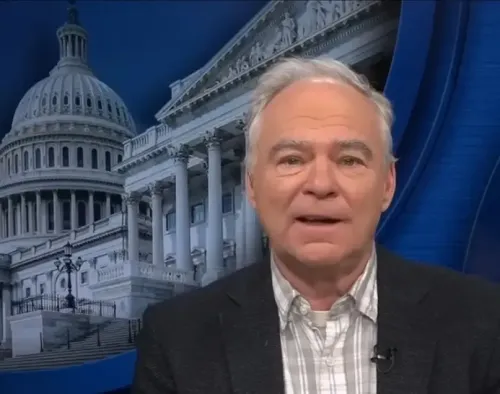
Similar concerns arose from the political arena, with Maryland Governor Wes Moore connecting the conflict to rising economic pressures domestically. He noted that energy prices have soared, stating that “gas prices have gone up by over $1 because we decided to enter into another war of choice”.
Moore cautioned that the U.S. is “very dangerously lurching again into another forever war”, drawing parallels with Afghanistan, where “the United States was there for 20 years and 20 years later the Taliban” remained in control. He argued that the administration has “yet to articulate what exactly it is that we are doing”.
With reports of a U.S. fighter jet being downed and search-and-rescue operations ongoing within Iranian borders, Moore described the situation as “deeply concerning”, adding that families are apprehensive to receive calls out of fear over the news they might contain.
He emphasized that “no one understands what exactly it is that we are doing, or what success looks like”, urging the White House to clarify both objectives and eventual outcomes.
On the subject of foreign policy, Moore argued that the conflict with Iran exposes significant strategic deficiencies, asserting that the U.S. has entered the fray without meeting essential criteria: “War should always be the last resort, you are clear about your mission, and you have built an international coalition. We haven’t done any of those things.”
Ground developments have further complicated matters. According to CNN, U.S. forces executed a high-risk operation to rescue a downed pilot in Iranian territory, involving “dozens of aircraft” and “hundreds of U.S. military and intelligence personnel”.
The pilot, who had been shot down, managed to survive by concealing himself in rugged terrain before being rescued, highlighting both the severity of the conflict and the prowess of U.S. special operations forces.
Point of View
The current situation with Iran showcases a clash of military strategy and ethical considerations, with leaders urging a reevaluation of the U.S. approach amidst rising tensions and economic strains.
NationPress
15 Oct 2026
Frequently Asked Questions
What concerns are being raised about the U.S. conflict with Iran?
Political and religious leaders are questioning the justification, strategic approach, and economic impact of the conflict, emphasizing the need for diplomacy.
Who is Archbishop Timothy Broglio?
Archbishop Timothy Broglio oversees Catholic chaplains for U.S. forces and has raised concerns about the moral implications of the conflict with Iran.
What economic impact is the conflict having?
Governor Wes Moore highlighted that gas prices have surged by over $1, linking this to the U.S. decision to engage in another conflict.
What is meant by 'moral injury' among troops?
'Moral injury' refers to the psychological distress experienced by service members as a result of actions taken during combat, even if lawful.
What are the calls for clarity regarding U.S. objectives?
Leaders are urging the White House to provide clear objectives and success metrics for the ongoing conflict with Iran.