Shanghai economic slowdown deepens amid fiscal stress and weak demand
Synopsis
Shanghai — China's largest urban economy and its most globally connected city — is no longer immune to the country's deepening economic stress. With China's 31 provincial regions collectively covering only 56.3% of their own expenditures in H1 2026, and Shanghai itself spending beyond its revenues, the slowdown has moved from China's periphery to its economic heartland.
Key Takeaways
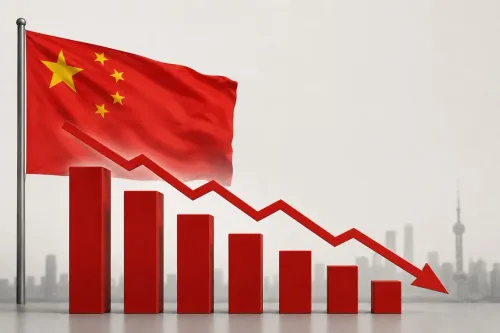
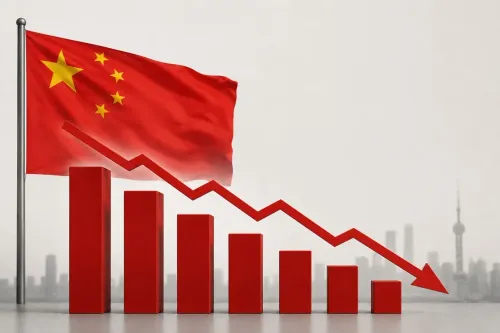
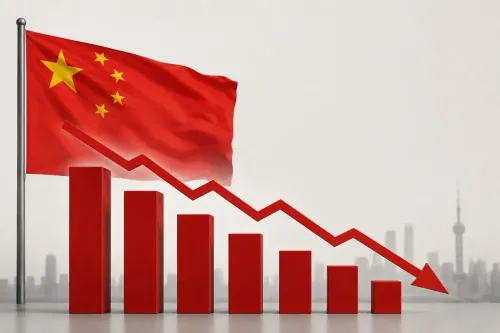
Shanghai , China's largest urban economy by GDP , is showing growing signs of a prolonged economic slowdown, according to recent reports.
China's Ministry of Finance data shows none of the country's 31 provincial-level regions achieved fiscal self-sufficiency in H1 2026 ; the collective rate stood at just 56.3% .
Shanghai is reportedly spending more than it collects through its own revenue sources, driven by weak property revenues and strained corporate profitability.
Commercial districts in Shanghai are experiencing weaker footfall, with malls, restaurants, and offices seeing subdued activity.
Foreign company departures and the exit of high-income workers are adding pressure to local consumption and tax bases.
The stress in Shanghai signals that China's economic difficulties have shifted from peripheral regions to its most developed urban centres.
Shanghai, long considered China's most dynamic and globally connected urban economy, is exhibiting mounting signs of a prolonged economic contraction, according to a recent report. The distress signals emerging from the city have intensified concerns about the true depth and breadth of China's broader economic difficulties.
Key Developments
The city's economic troubles stem from a convergence of pressures: the lasting damage inflicted by COVID-19 lockdowns, a protracted slump in the property market, deteriorating municipal finances, tepid consumer spending, and the exit of foreign enterprises and high-income workers. As China's largest urban economy by GDP, Shanghai has historically been among the country's strongest fiscal contributors — making its current difficulties all the more telling.
Fiscal Strain Reaches China's Richest City
China's Ministry of Finance reported in late July 2026 that none of the country's 31 provincial-level regions generated enough fiscal revenue in the first half of 2026 to fully cover their expenditures. Collectively, local governments recorded a fiscal self-sufficiency rate of only 56.3 per cent. Shanghai, despite its comparatively high income base, is reportedly spending more than it collects through its own revenue streams — a stark indicator of how deeply property-related revenue weakness and corporate profit strain have cut into even the wealthiest municipal budgets.
What the Ground Reality Looks Like
The slowdown is increasingly visible on the streets of Shanghai's commercial districts. Shopping malls, restaurants, and office complexes that were once crowded are now reporting weaker footfall and subdued business activity. Consumer caution has visibly risen, reflecting a more uncertain economic environment for households and businesses alike. Notably, the departure of some foreign companies and their high-earning employees has further dented local consumption and tax revenues.
Why This Matters Beyond Shanghai
The deterioration in Shanghai carries significant implications for China's national economic narrative. For years, economic stress was largely associated with less-developed regions in central and western China. The fact that fiscal pressure is now acutely felt in one of the country's wealthiest and most internationally integrated cities suggests the slowdown has moved into a new, more systemic phase. Critics argue that weak property activity, subdued domestic demand, and softening business conditions are no longer confined to China's periphery — they are now reshaping its core.
What Comes Next
Analysts and policymakers will be watching whether Beijing responds with targeted fiscal transfers to shore up municipal finances, or whether local governments are left to manage the shortfall independently. The trajectory of Shanghai's recovery — or the lack thereof — is likely to serve as a bellwether for China's broader economic direction in the second half of 2026.
Point of View
It reframes the entire narrative around China's recovery. Beijing has long managed perceptions by pointing to tier-one city resilience even as tier-three and tier-four cities struggled. That buffer is now gone. The 56.3% fiscal self-sufficiency rate across all 31 provincial regions is not a rounding error — it is a structural signal. The deeper question is whether China's central government has the fiscal headroom and political will to intervene at scale, or whether it will allow local governments to quietly compress spending, which would further depress the domestic demand it urgently needs to stimulate.
NationPress
30 Aug 2026
Frequently Asked Questions
What economic challenges is Shanghai currently facing?
Shanghai is facing a combination of pressures including the lingering impact of COVID-19 lockdowns, a prolonged property market slump, weakening municipal finances, subdued consumer spending, and the departure of foreign companies and high-income workers. These factors have collectively slowed activity across the city's commercial districts and strained its fiscal position.
What does China's fiscal self-sufficiency rate of 56.3% mean?
It means that collectively, China's 31 provincial-level governments covered only 56.3% of their expenditures through their own revenues in the first half of 2026, according to China's Ministry of Finance. The remaining gap must be bridged through central government transfers or borrowing, indicating significant fiscal stress across the country.
Why is Shanghai's slowdown significant for China's broader economy?
Shanghai is China's largest urban economy by GDP and has historically been one of its strongest fiscal performers. Its current difficulties suggest that China's economic slowdown is no longer limited to less-developed central and western regions — it has reached the country's most prosperous and internationally connected city, pointing to a more systemic national problem.
How is the property market contributing to Shanghai's fiscal stress?
Property-related revenues — including land sales and taxes tied to real estate transactions — have been a major source of local government income in China. The prolonged weakness in the property market has significantly reduced these revenues, leaving cities like Shanghai unable to fully cover their expenditures through their own fiscal resources.
What indicators of slowdown are visible on the ground in Shanghai?
Shopping malls, restaurants, and office complexes that were once crowded are now seeing weaker footfall and lower business activity. Consumer spending has softened as households grow more cautious, and the departure of foreign firms and their employees has further reduced local economic activity and tax contributions.