China's Ethnic Unity Law: Forced loyalty under the guise of harmony
Synopsis
China's new Ethnic Unity Law, active since 1 July, is being called a legal architecture for forced assimilation. From mandating Mandarin education before kindergarten to authorising legal action against overseas critics, the law has triggered rare coordinated pushback from the UN, the US, the EU, Taiwan and a global coalition of 54 rights groups — marking one of the sharpest international responses to a Chinese domestic law in years.
Key Takeaways
China's Law on Promoting Ethnic Unity and Progress was passed on 12 March and came into force on 1 July .
The law mandates Mandarin education from pre-kindergarten and requires parents to instil loyalty to the Communist Party .
Article 63 extends the law's reach overseas, potentially exposing exiled activists, journalists and diaspora groups to legal liability.
UN human-rights chief Volker Türk and eight UN experts have called for the law's repeal.
A coalition of 54 human-rights organisations and more than 50 Uyghur groups have demanded the law be scrapped.
Taiwan has rejected the extraterritorial provisions and announced countermeasures against transnational repression.
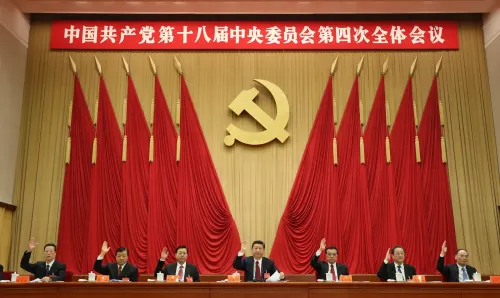
China's Law on Promoting Ethnic Unity and Progress, passed by the National People's Congress on 12 March and in force since 1 July, has drawn sharp international condemnation as critics argue it converts Communist Party ideology into a binding public duty — and extends Beijing's reach far beyond its own borders. For Tibetans, Uyghurs, Southern Mongolians and other minority communities, the law reportedly risks becoming a legal barrier around their languages, religions and identities.
What the Law Mandates
On its face, Beijing presents the legislation as a framework for building a shared national identity among China's 56 officially recognised ethnic groups, promoting stability and economic development. In practice, the law places Communist Party leadership and the concept of a single 'Chinese national community' at the centre of public life. It mandates Mandarin education from pre-kindergarten through secondary school, and requires parents to guide children toward loyalty to the Party and the state's approved vision of national identity.
The provisions apply across schools, families, religious institutions, businesses and public bodies — making ideological conformity, critics argue, a near-universal social obligation. Religious groups face intensified demands for 'Sinicisation', a policy requiring faith to align with state-defined Chinese culture and Party priorities. Broad restrictions on conduct deemed to 'undermine ethnic unity' could, according to rights groups, criminalise peaceful cultural advocacy, historical discussion or criticism of government policy.
The Extraterritorial Dimension
Article 63 of the law is among its most contested clauses. It asserts that overseas organisations and individuals may face legal consequences for conduct Beijing considers harmful to ethnic unity or supportive of ethnic division. Human rights organisations warn this provision could threaten exiled activists, journalists, academics and diaspora groups — particularly those who travel to China or live in states with close ties to Beijing.
Taiwan has categorically rejected the extraterritorial claim, stating that Chinese domestic legislation carries no authority over Taiwan and announcing coordinated countermeasures against what Taipei terms transnational repression. Taiwan's government has expressed concern that Beijing may deploy 'ethnic unity' as a legal instrument to pressure Taiwanese citizens and advance its unification agenda.
International Condemnation
UN human-rights chief Volker Türk called for the law to be repealed, warning it could deepen restrictions on language, education, religion, culture, expression and assembly. Eight UN experts cautioned that the law risks converting regional assimilation measures into binding national obligations. The United States described the law as 'problematic', while the European Union warned it could further erode minority rights and objected to its overseas application. Fourteen members of the US House of Representatives urged Washington to formally condemn the legislation and strengthen safeguards against transnational repression.
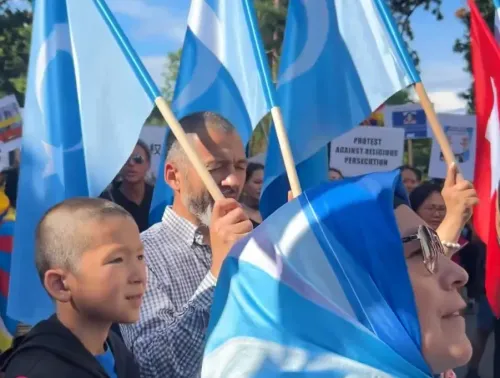
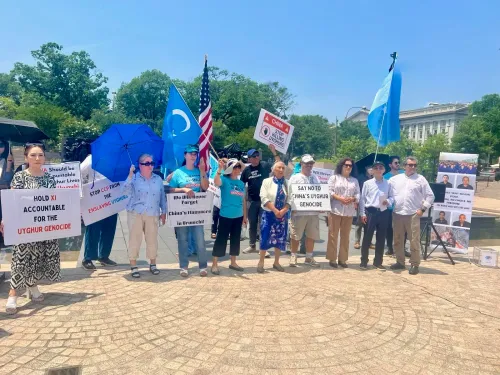
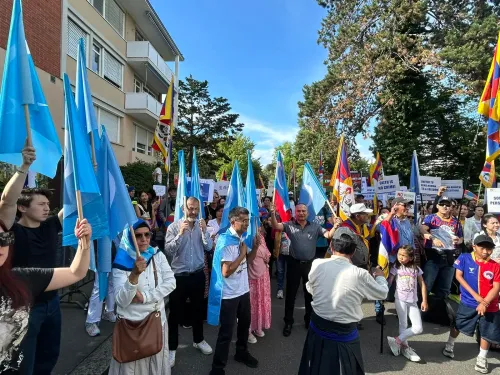
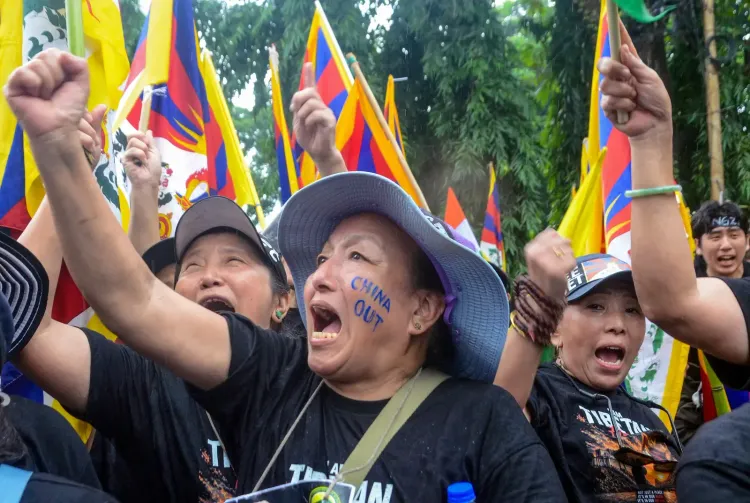
A coalition of 54 human-rights and diaspora organisations demanded independent monitoring and protection for affected communities. More than 50 Uyghur groups called for the law's outright repeal. Tibetan, Uyghur, Hong Kong and other activists organised protests in the United States, India and across Europe, including demonstrations outside Chinese diplomatic missions in Berlin and Zurich.
On-the-Ground Impact on Minorities
The law's early consequences may be difficult to quantify — its enforcement record is too nascent for full assessment — but rights groups warn that fear and self-censorship could be its most immediate effects. Parents may avoid teaching disputed history; teachers may hesitate to defend minority-language instruction; exiles may mute themselves to protect relatives at home or to reduce travel risks.
The Tibetan Youth Congress launched an international chain hunger strike in protest. The Tibetan Parliament-in-Exile reached out to Indian lawmakers to build cross-border political opposition. Minority-language education faces particular pressure as Mandarin assumes primacy in the classroom, while cultural symbols — traditional dress at official festivals, for instance — may persist even as language, memory and religious practice face incremental restriction.
Beijing's Position and What Comes Next
Chinese officials have dismissed allegations of forced assimilation as 'foreign interference', maintaining that the overseas provision is narrowly targeted at unlawful separatism and does not affect normal international cultural exchanges. Beijing argues that a common language and shared identity improve social cohesion, employment outcomes and economic development across its diverse regions.
Critics, including UN experts, counter that unity imposed by a single political authority — one that defines acceptable language, religion, history and identity — is categorically different from unity grounded in equal rights. As international scrutiny intensifies and diaspora protests broaden, the law's long-term enforcement trajectory will be closely watched by rights monitors, foreign governments and the minority communities it most directly affects.
Point of View
London or Washington. The UN's call for repeal is notable in its directness, but without enforcement mechanisms, it risks being symbolic. What is less discussed is how the law interacts with India's strategic interests — Tibetan institutions based in India, Taiwanese civil society ties and Indian diaspora communities with cross-border links all face a new risk variable. New Delhi's response, or studied silence, will itself be a signal.
NationPress
24 Sept 2026
Frequently Asked Questions
What is China's Ethnic Unity Law and when did it come into force?
China's Law on Promoting Ethnic Unity and Progress was passed by the National People's Congress on 12 March and came into force on 1 July. It establishes Communist Party leadership and the concept of a unified 'Chinese national community' as central social obligations, mandating Mandarin education and ideological conformity across schools, families, religious groups and businesses.
How does the law affect Tibetans, Uyghurs and other minorities?
The law is expected to accelerate the displacement of minority languages by mandating Mandarin as the primary medium of instruction from pre-kindergarten onwards. Religious institutions face stronger 'Sinicisation' demands, and broad restrictions on conduct deemed to 'undermine ethnic unity' could criminalise peaceful cultural advocacy or criticism of state policy, according to rights groups.
What is Article 63 and why is it controversial?
Article 63 asserts that overseas individuals and organisations may face legal consequences for conduct Beijing considers harmful to ethnic unity or supportive of ethnic division. Critics, including the US and EU, warn it could be used against exiled activists, journalists, academics and diaspora communities, effectively extending Chinese legal authority beyond its borders.
What has the international community said about the law?
UN human-rights chief Volker Türk has called for the law's repeal, warning it could deepen restrictions on language, religion, culture and assembly. Eight UN experts issued a similar warning. The United States called the law 'problematic', the EU warned it could further restrict minority rights, and 14 US House members urged Washington to condemn it formally.
How has Taiwan responded to the law's extraterritorial provisions?
Taiwan has categorically rejected Article 63, stating that Chinese domestic legislation has no jurisdiction over Taiwan. Taipei has announced coordinated countermeasures against what it describes as transnational repression and warned that Beijing may use 'ethnic unity' as a legal tool to pressure Taiwanese citizens and advance its unification agenda.