Container ship hit, catches fire near Strait of Hormuz; crew member missing
Synopsis
A Cyprus-flagged container ship, the GFS Galaxy, was attacked by Iran's IRGC in the Strait of Hormuz, sparking a fire, disabling the vessel, and leaving one crew member missing. The US military responded with strikes against Iran — a sharp escalation that puts one of the world's most critical oil shipping lanes at the centre of a live military confrontation.
Key Takeaways
The GFS Galaxy , a Cyprus -flagged container ship, was attacked by Iran's IRGC while transiting the Strait of Hormuz on 12 July .
The vessel suffered significant engine room damage and an onboard fire, rendering it unable to continue its journey.
One civilian crew member is missing following the attack.
The UKMTO placed the incident approximately 16.7 km east of Oman , reported at 2240 GMT .
The US military launched retaliatory strikes against Iran on Sunday in response to the attack.
The GFS Galaxy measures 304 metres in length and was last tracked in the Persian Gulf two days before the incident.
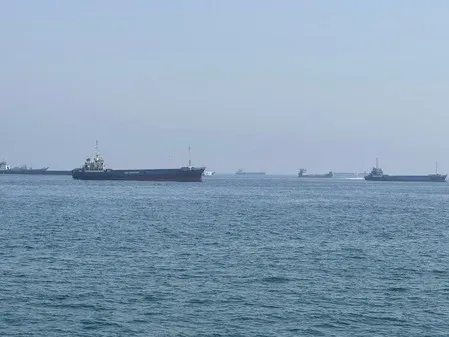
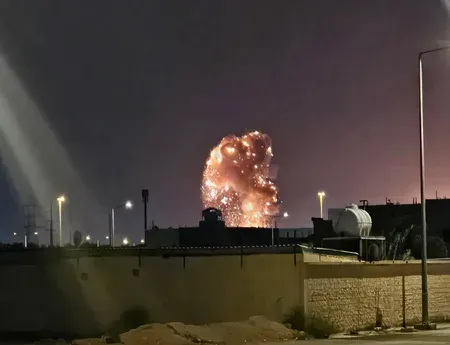
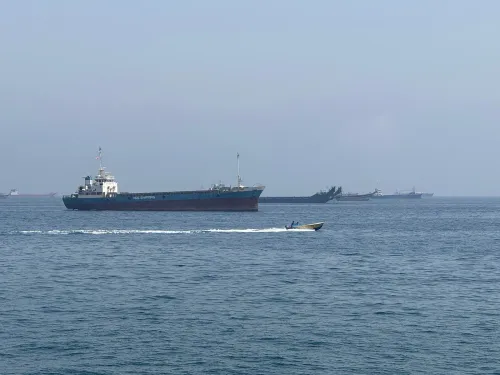
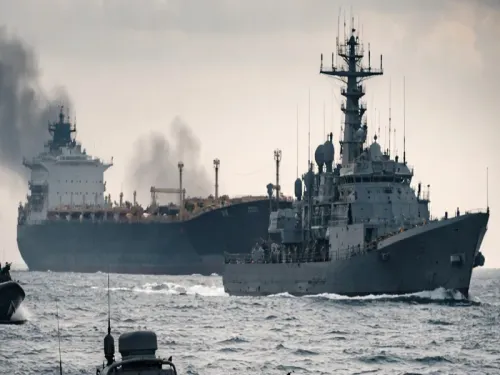
A container ship sustained damage and broke out in fire following an attack off the coast of Oman, the United Kingdom Maritime Trade Operations (UKMTO) confirmed on Saturday, 12 July. The incident, reported at approximately 2240 GMT and located about 16.7 km east of Oman, adds to a growing pattern of maritime security incidents in one of the world's most critical shipping corridors.
What Happened
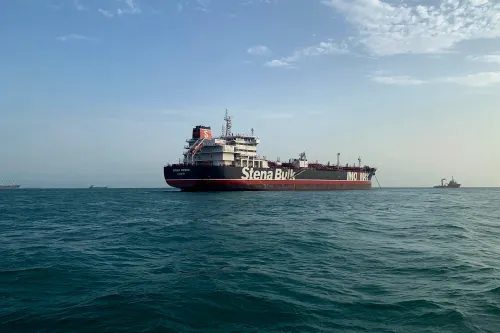
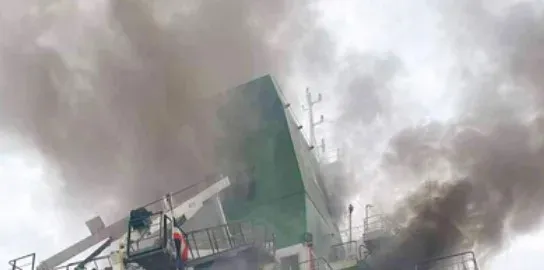
The UKMTO said it received a report indicating that a container ship had 'sustained damage to the rear of the vessel, which has caused a fire onboard.' Authorities were investigating the incident at the time of the advisory. The UKMTO did not disclose the name of the vessel in its initial statement.
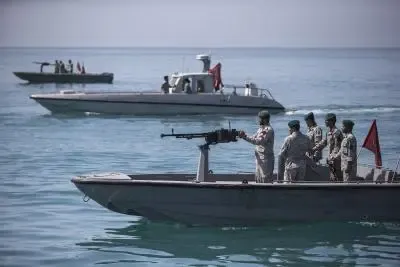
Separately, the US Central Command identified the vessel as the GFS Galaxy, a Cyprus-flagged container ship, and stated it was attacked by Iran's Islamic Revolutionary Guard Corps (IRGC) while transiting the Strait of Hormuz. The vessel was rendered unable to continue its journey due to an onboard fire and significant damage to its engine room.
Crew Member Missing
The US Central Command confirmed in a statement that 'a civilian crew member is missing and the vessel is unable to continue the journey due to an onboard fire and significant engine room damage.' The fate of the missing crew member had not been disclosed at the time of reporting.
According to maritime tracking data, the GFS Galaxy measures approximately 304 metres in length and 40 metres in width, and was last recorded in the Persian Gulf two days prior to the incident.
US Military Responds with Strikes
On Sunday, the US military launched a new round of strikes against Iran following the IRGC's attack on the GFS Galaxy. The strikes mark a sharp escalation in the ongoing standoff between Washington and Tehran over maritime security in the region.
Strategic Significance of the Strait of Hormuz
The incident unfolded amid heightened tensions in waters surrounding the Strait of Hormuz, a chokepoint through which an estimated 20% of the world's oil supply transits. Linking the Persian Gulf and the Gulf of Oman, the strait is among the most strategically sensitive maritime passages globally. This is not the first such incident in recent months — the IRGC has been linked to multiple vessel seizures and attacks in the region over the past two years, raising insurance premiums and rerouting pressures for global shipping operators.
With the US military now directly retaliating and a crew member still unaccounted for, the situation in the Strait of Hormuz remains fluid and volatile.
Point of View
A campaign that has intensified with each unanswered incident. What is different this time is the US military's decision to strike back directly, crossing a threshold that Washington had been reluctant to breach. The missing crew member adds a human cost that will be difficult to de-escalate around. The deeper risk is not just insurance premiums or rerouting costs — it is whether a tit-for-tat cycle in the world's most oil-critical chokepoint can be contained before it widens into something far harder to manage.
NationPress
12 Jul 2026
Frequently Asked Questions
What happened to the GFS Galaxy near the Strait of Hormuz?
The GFS Galaxy, a Cyprus-flagged container ship, was attacked by Iran's Islamic Revolutionary Guard Corps (IRGC) while transiting the Strait of Hormuz on 12 July. The attack caused an onboard fire and significant engine room damage, leaving the vessel unable to continue its journey and one crew member missing.
Who confirmed the IRGC was behind the attack?
The US Central Command confirmed that Iran's IRGC carried out the attack on the GFS Galaxy. The UKMTO separately reported the fire and damage but did not name the vessel in its initial advisory.
What did the US military do in response?
The US military launched a new round of strikes against Iran on Sunday following the IRGC's attack on the GFS Galaxy. This marks a direct military escalation in response to the maritime incident.
Why is the Strait of Hormuz strategically important?
The Strait of Hormuz is one of the world's most critical maritime chokepoints, linking the Persian Gulf and the Gulf of Oman. An estimated 20% of the world's oil supply passes through it, making any disruption there a global economic and security concern.
Is the missing crew member from the GFS Galaxy accounted for?
No. As of the latest reports, one civilian crew member remains missing following the IRGC attack on the GFS Galaxy. No further details about the crew member's identity or nationality were disclosed in official statements.